Winter Travel Tips India: A Practical Packing and Route Checklist
Plan a safer, more comfortable winter holiday in India with a climate-smart checklist covering clothing, routes, daylight, health, transport, stays and budgets.

Quick answer
Winter travel tips India travellers need start with choosing a region by temperature, daylight and road conditions rather than relying on one national forecast. Pack breathable layers, a warm outer layer, grip-friendly shoes, medicines and sun protection. Keep road and train buffers, confirm hotel heating, and check permits or closures before leaving. Plains and Rajasthan suit easy winter trips; the Himalayas need flexible routes, altitude awareness and weather checks. Expect higher demand and variable prices from December to February.
Key facts at a glance
| Best travel window | November to February; region-dependent |
|---|---|
| Typical conditions | Approx. 5–25°C in popular lowland routes |
| Cold-weather regions | Himalayas can fall below 0°C |
| Ideal planning buffer | Add approx. 3–6 hours to mountain transfers |
| Typical daily budget | Approx. ₹2,000–₹8,000 per person |
| Main documents | Government ID; permits where required |
| Best booking advice | Reserve transport and stays early for peak weeks |
Good winter travel tips India travellers can use begin with one simple rule: plan for the region, not for the country as a whole. A January morning in Jaipur can be cool but comfortable, while a Himalayan village may have frozen roads, short daylight and sub-zero nights. Kerala, Goa and much of coastal India need light layers rather than heavy jackets. This India winter travel checklist helps you match clothing, routes, health planning and accommodation to the conditions you are actually likely to face.
Winter travel tips India: start with climate-smart planning
India’s winter season is broadly November to February, but temperatures, rain and road access vary sharply by altitude and coast. Before booking, divide your trip into one of three planning zones:
- North Indian plains and Rajasthan: Delhi, Jaipur, Agra and Varanasi are usually comfortable for sightseeing, although mornings can be foggy and evenings chilly. Rajasthan winter is popular because daytime walks are pleasant, but demand can raise room and transport prices.
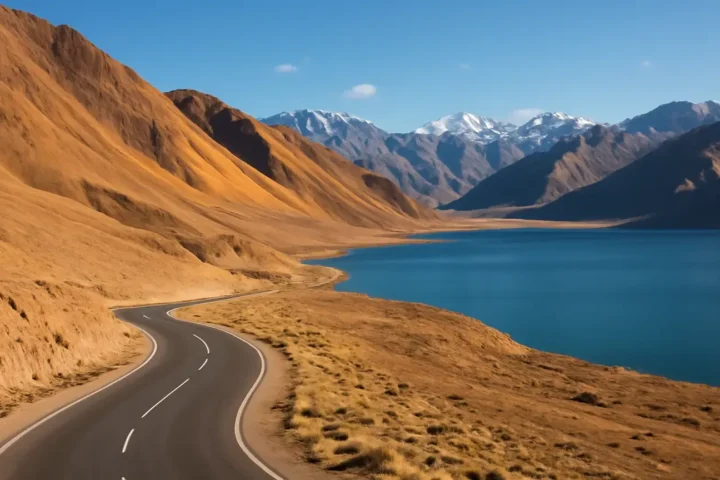
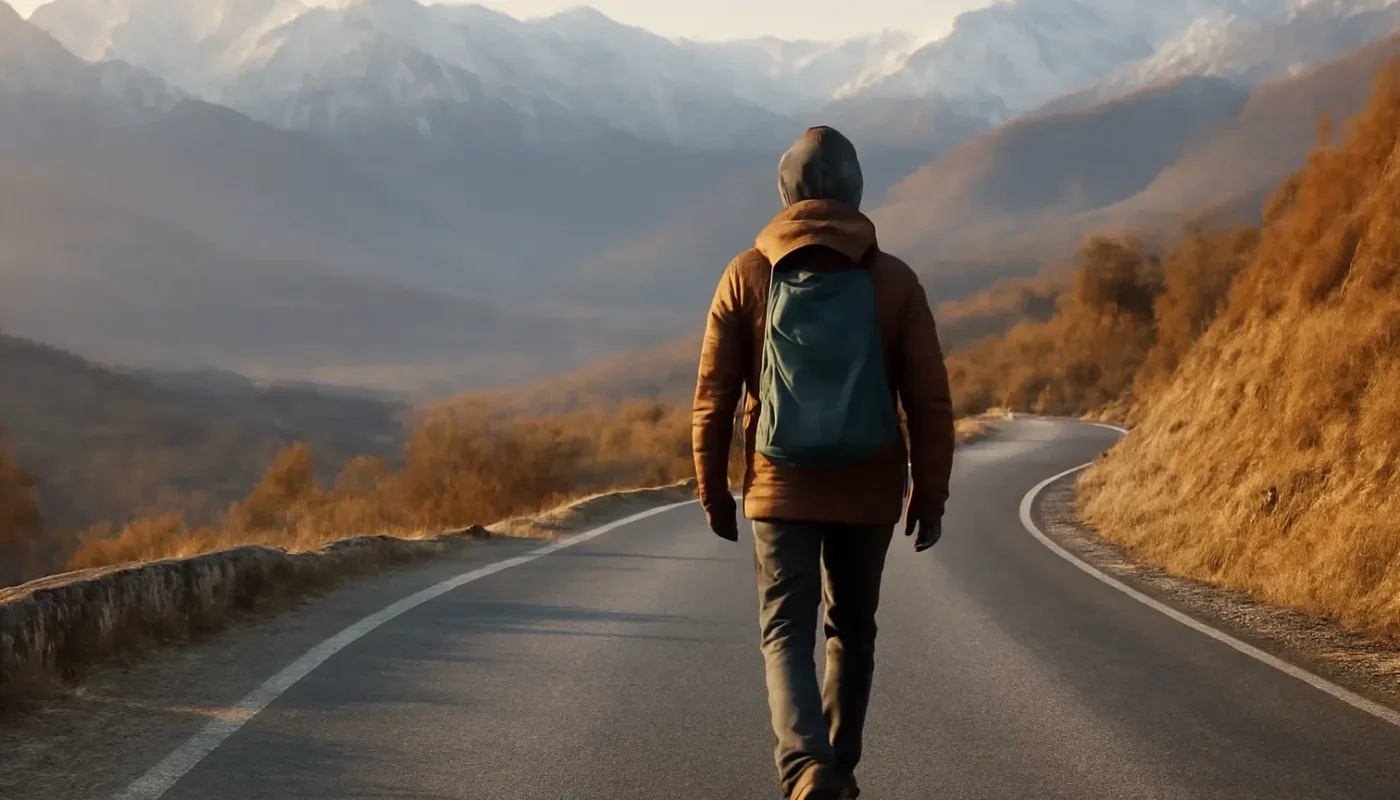
- Mountain regions: Manali, Uttarakhand, Kashmir and Ladakh bring snow, cold nights and possible road disruption. Himalayan road trips suit travellers with flexible schedules, warm clothing and patience for weather-related changes.
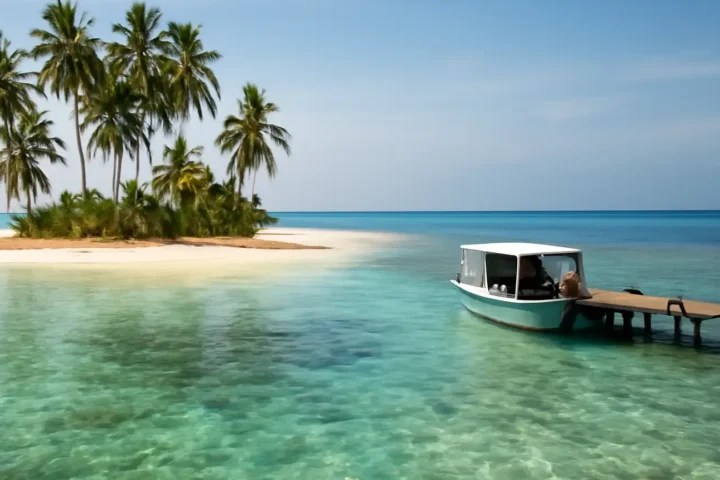
- South and coastal India: Kerala winter and Goa generally call for breathable clothing, rain protection and sun protection. The Western Ghats may still receive local showers, so do not assume every winter day is dry.
- Eastern and northeastern routes: Northeast India can be cool, damp or sunny depending on elevation. Build in extra time for winding roads, limited transport frequency and changing local conditions.
Check the forecast for each overnight stop, not only the nearest major city. A route crossing a pass or plateau can have a very different forecast from its departure town.
Winter travel tips India: what should I pack?
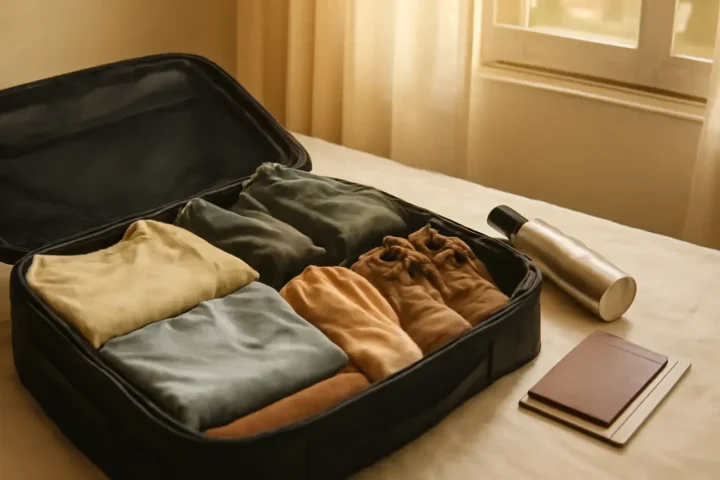
For most Indian winter journeys, a flexible layering system is more useful than one very thick coat. It lets you adapt between heated vehicles, sunny afternoons and cold open-air attractions.
- Pack two or three quick-drying base layers, a fleece or light sweater, and a windproof or insulated outer layer for northern and mountain routes.
- Carry warm socks, a cap, gloves and a scarf if you will be outdoors before sunrise or after sunset. A thermal layer is useful for high-altitude stays but may be unnecessary in coastal cities.
- Choose closed shoes with a firm, non-slip sole. Waterproof or water-resistant footwear is valuable around snow, slush and wet forest trails; sandals can be added for hotels and warmer destinations.
- Take sunglasses, sunscreen and lip balm. Clear winter skies and high-altitude sunlight can be intense even when the air feels cold.
- Use a compact daypack, reusable water bottle, power bank, torch, zip bags for damp clothing and a small umbrella or rain shell.
- Keep prescription medicines in original packaging, plus a basic personal kit. Ask a doctor or pharmacist about any medicine that may be appropriate for you, especially before high-altitude travel.
Travelling with children, older relatives or anyone sensitive to cold calls for more spare layers and fewer tightly timed transfers. Pack one complete warm change of clothes in cabin baggage in case checked luggage is delayed.
What medicines should I carry for a winter trip?
Carry your regular prescriptions, a written prescription or doctor’s note where useful, basic first-aid supplies and any personally suitable remedies advised by a qualified professional. Do not self-medicate for altitude symptoms or replace medical advice with over-the-counter products. Keep medicines accessible rather than buried in a suitcase, and check whether your destination has reliable pharmacies.
How should I plan transport in India during winter?
Winter travel is often disrupted by fog in the northern plains, snow or ice in the mountains, and slower driving on wet or winding roads. These transport buffers are essential:
- Leave at least half a day between a flight arrival and a fixed mountain transfer. For important connections, consider a full day.
- For winter train travel, avoid scheduling a same-day flight, event or trek immediately after arrival. Delays can be longer during dense fog, particularly around Delhi and northern rail corridors.
- Use an airport near the actual destination when the fare difference and road time make sense. Indira Gandhi International Airport is a major gateway for north India, while Bagdogra Airport serves parts of Sikkim and north Bengal.
- For rail-based itineraries, New Jalpaiguri railway station is a practical gateway for Darjeeling and nearby Himalayan foothills. Confirm onward taxi availability before committing to a late arrival.
- On mountain routes, ask the local operator about current road status, vehicle suitability, driver experience and whether snow chains or a larger vehicle may be needed.
For a Himalayan road trip, keep the first and last days deliberately light. A route through Manali may require changes around Rohtang Pass, while access toward Leh and Pangong Lake can be seasonally restricted. Do not treat a map estimate as a guaranteed driving time.
Which Indian destinations are best in winter?
| Region or route | Best for | Winter planning note |
|---|---|---|
| Rajasthan: Jaipur, Jodhpur and Udaipur | Heritage, food and comfortable daytime sightseeing | Book popular stays early; mornings and evenings can be cold |
| Uttarakhand: Rishikesh and lower hill towns | Wellness, walks and short breaks | Mountain roads need weather and daylight buffers |
| Himachal: Manali and nearby valleys | Snow experiences and mountain scenery | Snow can alter road access and activity schedules |
| Kerala: Kochi, Munnar and the backwaters | Warm-weather escapes and nature | Use light layers; hill stations can be cooler than the coast |
| Assam and Meghalaya | Wildlife, landscapes and quieter cultural travel | Allow longer road times and check park conditions |
Rishikesh is easier for a short break than Kedarnath in winter, because Kedarnath involves high altitude, seasonal access considerations and a more demanding journey. Likewise, a Kashmir itinerary around Dal Lake may be comfortable for sightseeing but still needs warm accommodation and road flexibility. For wildlife, Kaziranga National Park can be a rewarding winter option, subject to park authority dates and local conditions.
Daylight, altitude and activity planning
Shorter daylight hours affect every winter itinerary. Start walks and scenic drives early, finish remote road sections before dark, and avoid assuming that a two-hour transfer will feel the same after sunset. Museums, markets and cafés are useful late-day activities when outdoor temperatures drop.
Altitude deserves special attention. Travellers heading to Ladakh, high Uttarakhand or parts of Himachal Pradesh should ascend gradually where possible, drink normally, avoid overexertion on arrival and discuss their plans with a doctor if they have a medical condition. Persistent or severe symptoms require prompt medical attention and descent may be necessary. Snow holidays are not automatically suitable for every traveller.
Reserve demanding activities for the most reliable part of the day. If skiing, trekking, rafting or wildlife safaris are central to your plan, book with licensed operators where applicable and confirm cancellation terms. In winter, a temple visit, forest drive or lake excursion may be rescheduled because of weather or local administration decisions.
Hotels, heating and where to stay
Never assume that an Indian hotel has central heating. Ask specifically whether the room has a heater, what type it is, whether extra blankets are available and whether electricity interruptions affect heating. Some properties provide a room heater at an additional charge; others rely on thick bedding and building insulation.
- In cold mountain towns, choose a room with good reviews for insulation, hot water and generator backup rather than selecting only by view.
- In Rajasthan, heritage properties can be atmospheric but may have colder stone rooms. Confirm heating before booking if you are sensitive to cold.
- In Kerala and Goa, prioritise ventilation, mosquito protection and easy access to transport over heavy winter facilities.
- For remote stays, confirm check-in cut-off times, meal availability, mobile connectivity and the nearest medical facility.
At high altitude, avoid using charcoal or unventilated fuel-burning devices inside a room. Follow the property’s safety instructions for electric heaters, and keep fabric away from heating elements.
Winter permits, documents and local etiquette
Carry a government-issued photo ID, booking confirmations, emergency contacts and copies stored securely offline. winter permits India travellers may need depend on the route, border area, protected landscape and current administration rules. Some areas require permissions for foreign nationals, restricted-area travel or specific border-region circuits; rules can change.
- Check the relevant state tourism department or local administration before travelling to a restricted or high-altitude route.
- Confirm national park entry windows, vehicle rules and guide requirements with the park authority for winter wildlife safaris.
- Use Indian Railways or IRCTC for current train status and airport or airline channels for flight changes.
- Carry cash in smaller denominations in remote areas, but do not display it unnecessarily. Network coverage and digital payments can be unreliable.
Dress respectfully at temples and monasteries, follow photography instructions and ask before photographing residents, workers or religious ceremonies. Local festivals such as the Losar Festival can make some routes busier; accommodation may become scarce. Enjoy local food such as Kahwa responsibly, especially if you have allergies or dietary restrictions.
What does a winter travel budget look like?
A practical winter travel budget India plan should include seasonal price changes, not only the advertised room rate. As a broad guide, a budget domestic trip may cost approximately ₹2,000–₹4,000 per person per day for simple stays, shared transport and local meals. A comfortable mid-range trip may be approximately ₹4,000–₹8,000 per person per day, excluding long-distance flights. Snow destinations, peak weekends and private mountain vehicles can push this higher.
- Transport: compare train, bus, shared taxi and flight costs, then add a contingency for a weather-related overnight stay.
- Stays: check whether breakfast, heating, transfers and extra bedding are included.
- Activities: budget separately for guides, equipment, park entry, cable cars and permits where relevant.
- Food: local restaurants are often more affordable than hotel dining, but remote mountain stays may have limited choice.
- Insurance: read exclusions for high-altitude activities, road closures, missed connections and adventure sports.
Peak Christmas, New Year and holiday weekends generally require earlier reservations. For a lower-cost plan, travel in November or late February when weather suits the chosen region, while confirming attraction and road conditions first.
Common winter mistakes to avoid
- Planning one jacket for every region. Coastal and mountain climates need different packing choices.
- Booking a tight flight-to-taxi connection after landing in a fog-prone city.
- Ignoring the return route. A pass that was open on the way out can be affected by a later weather change.
- Assuming a hotel’s phrase “warm room” means a heater is supplied. Ask precise questions.
- Scheduling all sightseeing at sunrise without checking local daylight, opening patterns and transport availability.
- Underestimating sun exposure, dehydration or altitude simply because the air is cold.
- Choosing remote stays without confirming food, power backup, mobile coverage and medical access.
Who this winter checklist suits
This guide suits couples, families, solo travellers and small groups planning domestic trips or nearby journeys to places such as Nepal or Bhutan. Families may prefer shorter transfers and reliable heating; photographers should allow extra time for changing light and fog; older travellers may benefit from lower-altitude bases and luggage assistance. Adventure travellers can include higher routes, but should use qualified operators, keep an exit plan and accept that weather can override an itinerary.
Bottom line
The most useful winter travel tips India travellers can follow are simple: choose a climate zone, layer clothing, protect your feet, keep medicines accessible, build transport buffers and confirm hotel heating. Check daylight, permits, road status and official advisories shortly before departure. A flexible route is safer and usually more enjoyable than trying to force every stop into a fixed winter schedule.
Before you go: prices, timings, permits and road conditions change by season. Please confirm the latest details with State tourism departments, Indian Railways and IRCTC, Airports and airlines and Local district administration offices. Last reviewed: November 2026.
Frequently Asked Questions
What should I pack for winter travel in India?
Pack breathable base layers, a fleece or sweater, a windproof outer layer, warm socks, comfortable non-slip shoes, sunglasses, sunscreen, personal medicines and a compact rain or snow layer. Adjust the list for altitude and coastal weather.
Which Indian destinations are best in winter?
Rajasthan, Kerala, Goa, lower Uttarakhand, parts of Himachal Pradesh and Assam are popular choices, but the best destination depends on whether you want heritage, warm weather, snow, wildlife or a short low-altitude break.
How cold is India in December and January?
Conditions vary widely: many plains and heritage cities can be approximately 5–25°C, coastal areas are warmer, and Himalayan destinations may fall below 0°C. Check the forecast for each overnight stop.
Is it safe to travel to the Himalayas in winter?
It can be safe with current road information, flexible bookings, suitable clothing, experienced drivers and altitude awareness. Snow, ice and closures can change plans, so avoid tightly timed routes and seek medical advice if you have relevant health concerns.
How much does a winter trip in India cost?
A simple domestic trip may cost approximately ₹2,000–₹4,000 per person per day, while a comfortable mid-range trip may cost approximately ₹4,000–₹8,000, excluding long-distance flights. Peak dates and private mountain transport increase the total.
How should I plan transport in India during winter?
Add at least half a day between a flight and a mountain transfer, allow extra time for fog and snow, check train and flight status through official channels, and keep an overnight fallback for important connections.

Written by