
Travel Packing List for India: A Climate-Smart Checklist
Plan lighter and smarter with a flexible India trip packing list organised around climate, transport, activities, modest clothing, medicines, documents and useful items to buy locally.

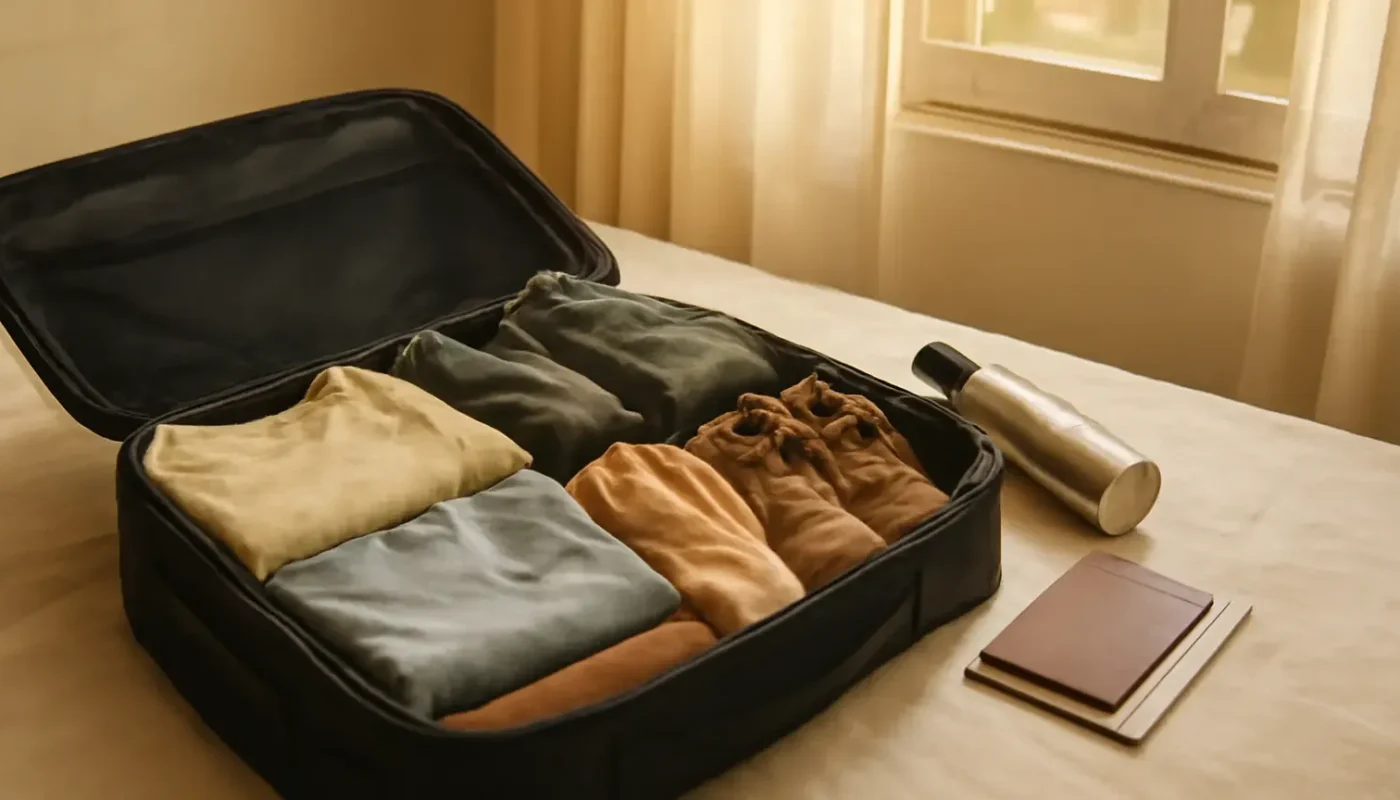
Quick answer
A travel packing list for India should start with your route, season and transport rather than a fixed number of items. Pack breathable layers, modest clothing that covers shoulders and knees, comfortable washable footwear, basic medicines, copies of documents, sun and rain protection, and a small day bag. Add warm gear for the Himalayas, quick-dry clothes for monsoon travel, and a compact luggage setup for trains. Buy simple toiletries, scarves and some clothing locally when useful.
Key facts at a glance
| Best approach | Pack by climate, activities and transport |
|---|---|
| Luggage sweet spot | Approx. 40–60L bag plus small daypack |
| Essential documents | ID, tickets, insurance, permits and offline copies |
| Warm-weather kit | Breathable layers, sun protection and refillable bottle |
| Monsoon kit | Quick-dry clothing, waterproof covers and sandals |
| Himalayan add-on | Insulated layers, gloves and altitude-aware planning |
| Buy locally | Scarves, basic toiletries, umbrellas and simple clothing |
Start with the route, not the suitcase
The most useful India trip packing list changes dramatically between a week in Rajasthan, a Kerala holiday, a Ladakh circuit and a multi-city journey by train. India spans hot plains, humid coasts, wet monsoon regions, cool hill stations and high-altitude mountain areas. Neighbouring-country trips to Nepal, Bhutan, Sri Lanka or Bangladesh can require a similar framework, but local weather and entry rules still need checking.
Before packing, write down four things: the places you will visit, the month, your main activities and how often you will change accommodation. A route involving Delhi, Agra and Jaipur needs heat management and easy-access luggage. A Rajasthan road trip needs sun protection, a refillable bottle and a bag that is easy to load into a vehicle. A Kerala backwaters itinerary needs quick-dry clothing and rain protection. A Himalayan trip packing plan may require technically warmer gear than you expect, even when the departure city is hot.
- One base layer: breathable T-shirts or lightweight long-sleeved tops.
- One modest layer: a loose shirt, tunic or scarf for temples and conservative areas.
- One weather layer: a rain shell, fleece or light insulated jacket, depending on the route.
- One practical shoe: comfortable, broken-in footwear suited to walking.
For most trips, a 40–60 litre soft-sided bag or compact wheeled case and a small daypack are easier than multiple hard suitcases. Keep valuable electronics and documents in the daypack. A lighter bag is particularly useful on Indian trains, where luggage may need to be lifted, stored or moved through busy stations. These choices can also help keep an India travel budget under control by reducing porter, storage and excess-baggage costs.
Climate-smart packing by season
India travel seasons overlap differently across regions, so do not treat a national seasonal label as a precise forecast. Compare the expected conditions at every stop on your route.
| Conditions | Pack first | Best suited to |
|---|---|---|
| Hot and dry plains | Loose cotton or linen, hat, sunglasses, sunscreen, refillable bottle | Rajasthan, Delhi and inland sightseeing |
| Humid coastal weather | Quick-dry tops, anti-chafing shorts or leggings, sandals, small towel | Goa, Kerala and coastal Karnataka |
| Monsoon | Waterproof phone pouch, pack cover, quick-dry clothes and non-slip footwear | Western coast, Northeast and wet-season city trips |
| Cool winter plains | Layering tops, light fleece, socks and a compact jacket | North India from approximately November to February |
| Hill stations | Warm mid-layer, rain shell, grip footwear and lip balm | Himachal Pradesh, Uttarakhand and Sikkim |
| High altitude | Insulated jacket, thermals, gloves, sunglasses and sun protection | Ladakh and high Himalayan routes |
For monsoon travel in India, prioritise quick-dry clothing, waterproof pouches and footwear with reliable grip. Season labels are broad: temperatures can vary within the same state, and evenings are often cooler than afternoons. Check a reliable forecast for each stop rather than packing only for the first city. In October, many popular destinations can still be warm during the day, while northern hill areas may become noticeably cool at night.
What to pack for different trip types
City, heritage and food trips
Choose breathable trousers, long skirts, loose shirts and comfortable walking shoes. A scarf is useful for sun, dust, air-conditioned transport and covering the shoulders at religious sites. Carry a small bag with hand sanitiser, tissues, water and power bank, but avoid bringing more than you need into crowded attractions.
Beach and backwater holidays
Pack swimwear for appropriate hotel or beach settings, plus a cover-up for travel between them. Quick-dry clothing, a dry bag and sandals are practical in Goa or Kerala. A thin long-sleeved shirt can protect you from sun and evening insects without adding much weight.
Wildlife safaris
For practical wildlife safari clothing, choose neutral-coloured shirts, long trousers, a hat and closed shoes. These work well for safaris in parks such as Periyar National Park. Avoid relying on camouflage clothing, and follow the park authority’s guidance. Binoculars can be useful, but keep luggage compact because safari vehicles often have limited space.
Treks and Himalayan journeys
Use a layering system: moisture-managing inner layer, warm mid-layer and wind- or rain-resistant outer layer. Add wool or synthetic socks, gloves, a headlamp, sunglasses and a small first-aid kit. Do not assume a fashionable heavy jacket is suitable for a high-altitude route. Ask the trek operator about sleeping-bag requirements, porter limits and equipment available for hire.
At altitude, physical exertion can feel harder and conditions can change quickly. Travellers with medical conditions, or anyone unsure about altitude travel, should consult a doctor before departure and follow local acclimatisation advice.
Clothing, footwear and respectful dressing
Modest clothing does not mean formal clothing. Lightweight trousers, longer shorts, loose dresses, cotton shirts and knee-covering skirts are versatile. For a temple dress code in India, and at mosques, gurdwaras and other religious sites, carry clothing that covers shoulders and knees. Some places require visitors to remove footwear or cover the head, so clean socks and a lightweight scarf can be useful.
- Pack two or three tops for a week and plan to wash or use local laundry.
- Choose fabrics that dry easily and do not need ironing.
- Bring one presentable outfit for restaurants, family visits or city evenings.
- Take one pair of broken-in walking shoes and, where relevant, lightweight sandals.
- Avoid packing brand-new shoes for a walking-heavy itinerary.
Footwear should match the surface. Grip matters on wet stone, fort steps and uneven lanes. Slip-on shoes are convenient at sites where footwear must be removed, but they should still provide enough support for walking. Carry a small reusable shoe bag to keep footwear separate from clothing.
Documents, money and medicines
Keep the originals of your identification, tickets, insurance details, permits and accommodation information secure. Carry photocopies and encrypted offline scans separately. Indian citizens travelling within India generally need a valid government-issued identity document for transport and hotel check-ins; requirements can differ for foreign nationals and neighbouring-country routes. Check current India travel permits requirements if your route includes restricted, protected or high-altitude areas.
- Government ID and, if required, passport and visa or electronic travel authorisation.
- Travel insurance policy details, emergency contacts and allergy information.
- Printed or offline copies of flight, train, hotel and permit confirmations.
- Two payment methods, with a small amount of cash in useful denominations.
- Prescription medicines in original packaging, with the prescription or doctor’s note.
A compact personal medicine kit may include medicines you already use, oral rehydration supplies, plasters, blister protection, antiseptic and any doctor-approved motion-sickness or allergy medicine. Do not start unfamiliar medicines solely because a packing list recommends them. For prescription treatment, ask a doctor or pharmacist about storage, quantities and travel restrictions. Insect repellent is useful in many regions, particularly during humid or monsoon periods.
Electronics and transport-friendly organisation
A phone, charging cable, power bank and universal plug adaptor cover most travellers’ needs. Check the plug and voltage requirements of your devices before departure. A compact extension board can help when a room has limited sockets, but avoid carrying bulky electronics unless they support your work or itinerary.
Use packing cubes or separate pouches for clothing, cables, documents and medicines. Keep a small pouch accessible for train journeys and road stops. A luggage tag with a phone number, a discreet lock and a waterproof bag for wet clothes are inexpensive, practical additions. Back up essential documents and travel information before leaving.
For trains, flights and shared vehicles, soft luggage is often easier to handle than a very large suitcase. When checking India domestic flights baggage rules, confirm the allowance for each airline because domestic limits and excess-baggage charges vary by carrier and fare. For useful Indian Railways travel tips, remember that luggage arrangements, storage space and station access can differ by train and class; pack so you can lift or move your bag without help.
What to buy locally and what not to overpack
Many travellers pack too many toiletries, clothes and snacks. Basic toiletries, laundry soap, umbrellas, scarves, simple cotton garments and inexpensive water bottles are widely available in cities and towns. Buying locally can reduce luggage and support small businesses, although quality and availability differ by location.
Pack items that are personal, size-specific or difficult to replace: prescription medicines, supportive footwear, specialist outdoor equipment, preferred menstrual products and essential electronics. Buy locally only when you have enough time to find a suitable replacement. Remote mountain routes and small towns may offer fewer choices than Delhi, Mumbai or Bengaluru.
Reusable bottles are helpful where safe refilling is available. Ask your accommodation or local guide about drinking-water arrangements rather than assuming that every tap is suitable. Avoid single-use plastic where practical, but do not compromise on safe hydration.
A practical packing checklist
Wear and carry
- Breathable tops, comfortable bottoms, underwear and sleepwear.
- Modest cover-up, scarf and one warmer layer.
- Broken-in walking shoes, optional sandals and spare socks.
- Hat, sunglasses, sunscreen and compact rain protection.
Health and hygiene
- Personal medicines, basic first-aid items and prescription documentation.
- Toothbrush, small toiletries, tissues, hand sanitiser and menstrual products.
- Insect repellent and a quick-dry towel where the itinerary requires them.
Travel essentials
- ID, tickets, insurance, permits, copies and emergency contacts.
- Phone, charger, power bank, adaptor and a small torch or headlamp.
- Daypack, luggage tag, reusable water bottle and waterproof pouches.
Common packing mistakes to avoid
- Packing for every possible climate: plan laundry and add only the specialist layer your route needs.
- Ignoring modesty requirements: keep a shoulder- and knee-covering option accessible, not buried at the bottom of the bag.
- Taking untested footwear: blisters can disrupt a walking itinerary quickly.
- Relying on one payment method: carry a backup card and modest cash for transport or smaller businesses.
- Carrying medicines loose: retain labels and prescriptions, especially for international travel.
- Overlooking luggage transfers: confirm airline limits, train arrangements and vehicle storage before departure.
- Underestimating hill weather: pack warm and rain-resistant layers even when the plains are hot.
Who this packing framework suits
This approach suits travellers combining cities and nature, families who need flexible clothing, first-time visitors and people travelling across India by mixed transport. It also works for neighbouring-country itineraries, provided you add country-specific entry documents and weather checks.
Minimalist travellers can reduce the list to a week of clothing and wash regularly. Families may prefer one shared medical and electronics pouch, while trekkers should prioritise specialist equipment over extra outfits. Business travellers may need a second pair of formal shoes or wrinkle-resistant clothing. Travellers with mobility needs should prioritise supportive footwear, medication access and luggage that can be moved safely without lifting.
Bottom line
The best travel packing list for India is a flexible system, not a universal suitcase formula. Pack light, layer for changing temperatures, dress respectfully, protect your documents and medicines, and choose luggage that suits your transport. Check official travel, weather and permit information shortly before departure, then leave a little space for useful local purchases.
Before you go: prices, timings, permits and road conditions change by season. Please confirm the latest details with India Meteorological Department, Ministry of External Affairs, Government of India, Indian Railways and IRCTC and Airports Authority of India or the relevant airport operator. Last reviewed: October 2026.
Frequently Asked Questions
What should I pack for a 10-day trip to India?
Pack about five to seven mix-and-match outfits, comfortable walking shoes, one modest cover-up, a weather layer, personal medicines, documents, electronics and a small daypack. Plan to use laundry rather than carrying ten complete outfits.
What clothes are appropriate for temples in India?
Choose clothing covering the shoulders and knees, such as loose trousers, long skirts, shirts or tunics. Carry a scarf for additional coverage and wear clean socks if footwear must be removed.
What medicines should I carry while travelling in India?
Carry your prescribed medicines in original packaging with relevant documentation, plus a basic first-aid kit and any doctor-approved personal remedies. Consult a doctor or pharmacist about prescription quantities and unfamiliar medicines.
What should I pack for India in the monsoon?
Take quick-dry clothing, a lightweight rain shell or umbrella, waterproof pouches, a bag cover, non-slip footwear and protection for electronics. Keep one dry change of clothes accessible during travel.
How much luggage should I take on Indian trains?
A compact 40–60 litre bag plus a daypack is practical for many itineraries. Check the current arrangements for your train and class, and choose luggage you can move or lift safely.
Do I need warm clothes for a trip to India?
You may need warm layers for northern winters, hill stations and high-altitude areas such as Ladakh. Coastal and southern destinations are usually warmer, but evenings and air-conditioned transport can still feel cool.

Written by