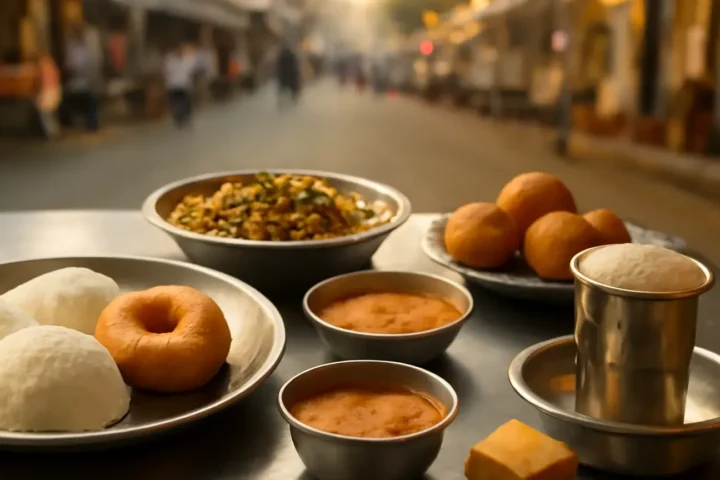
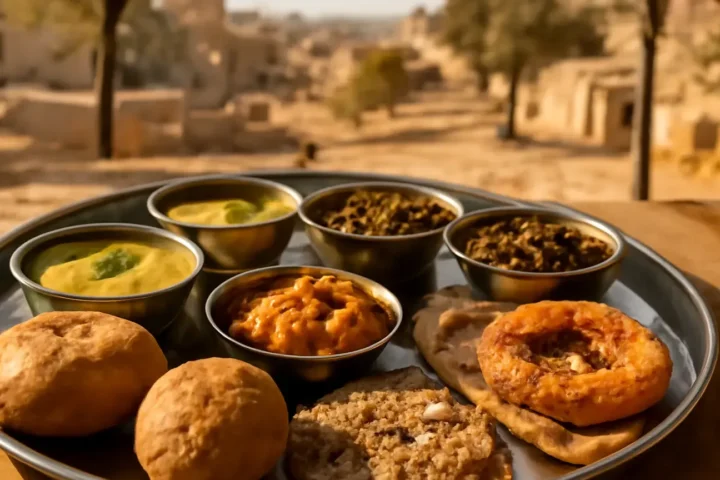
Himachali Food: 12 Dishes to Try and Where to Eat
From siddu and dham to chha gosht and madra, explore Himachali food with practical advice on regional dishes, local eateries, costs and respectful eating.

Quick answer
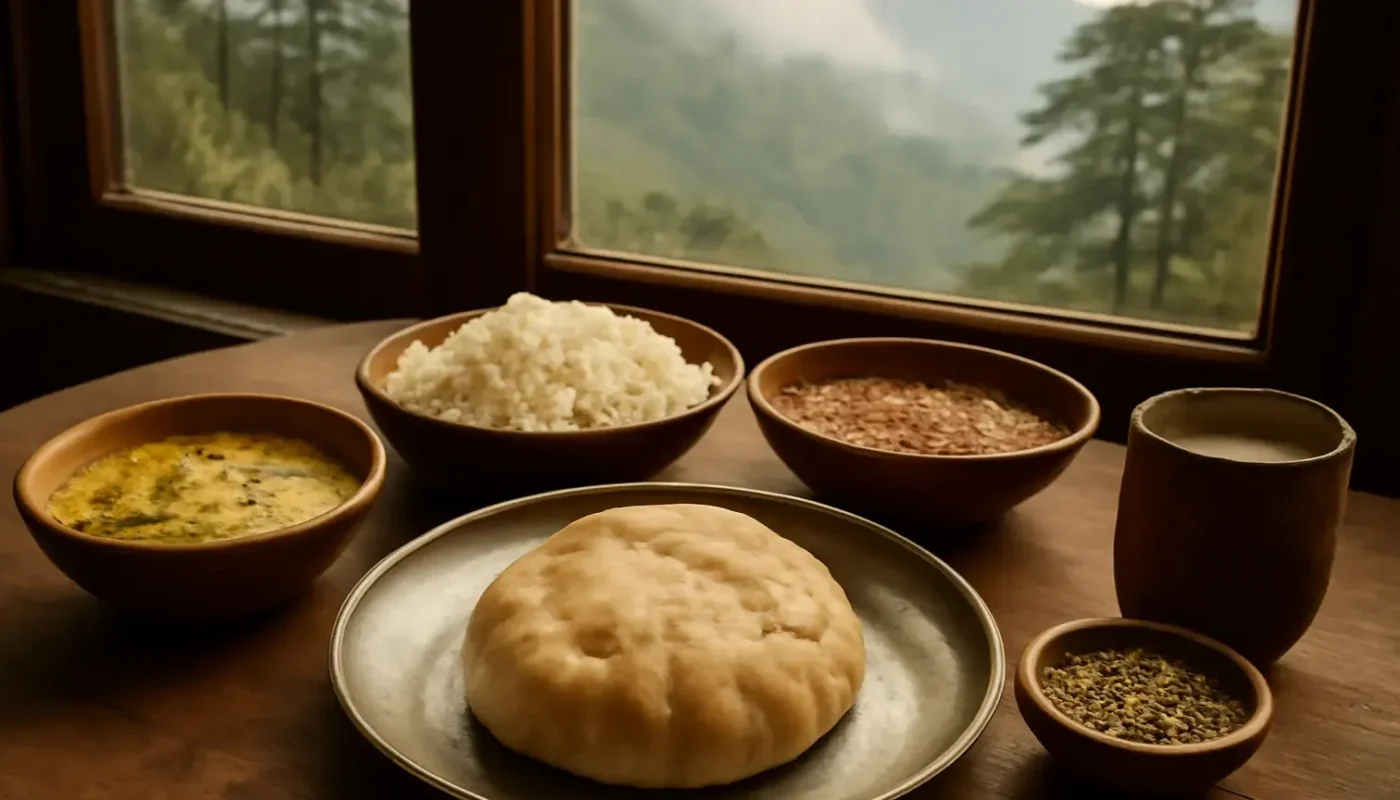
Himachali food is a regional mountain cuisine shaped by cold weather, farming, seasonal produce and community feasts. Try siddu, madra, chha gosht, tudkiya bhath, dham-style rajma and khatta, plus local drinks such as chhaang or a carefully sourced fruit wine. Eat at traditional restaurants, temple-town bhojanalayas, weekly markets and homestays in places such as Shimla, Chamba, Kullu, Manali and Dharamshala. Recipes vary by valley, so ask what is locally prepared.
Key facts at a glance
| Best food months | Approx. March-June and September-November |
|---|---|
| Good food bases | Shimla, Manali, Chamba, Dharamshala and Kullu |
| Typical local meal | Approx. ₹150-₹500 per person |
| Festive dham meal | Approx. ₹250-₹700, where available |
| Nearest useful airport | Bhuntar Airport for Kullu-Manali; Shimla Airport for Shimla |
| Rail access | Kalka for Shimla; Jogindernagar for parts of Kangra |
| Travel note | Recipes and availability vary by valley and season |
Why Himachali food deserves its own introduction
Himachali food is not one fixed menu served across the mountains. Recipes change between the lower Kangra hills, the Kullu Valley, Chamba, the trans-Himalayan Spiti Valley and the towns around Shimla and Manali. Lentils, red rice, potatoes, buckwheat, fermented grains, local greens, yoghurt and warming spices are used according to altitude, climate and harvest.
The best way to understand this cuisine is to eat slowly and ask questions. A homestay host may serve a family recipe that does not appear on a restaurant menu, while a festival meal may include dishes prepared by several households. Some foods are vegetarian, while others use mutton or river fish. Buddhist-influenced food traditions around Spiti and parts of Lahaul also differ from the dham traditions of the lower hills.
For broader route planning, pair this food guide with a Himachal Pradesh travel guide. Travellers comparing organised itineraries can also browse Himachal Pradesh tour packages, but leave room for a local meal away from the standard sightseeing circuit.
12 Himachali dishes and drinks to try
- Siddu: A steamed wheat-flour bun filled with walnuts, peanuts, poppy seeds or a savoury mixture. It is especially associated with Kullu, Mandi and nearby valleys, and is usually eaten with ghee, dal or chutney.
- Madra: Chickpeas, kidney beans or other pulses cooked in a thick yoghurt-based gravy. Chamba and Kangra-style madra can differ in spice, richness and the choice of lentil.
- Chha gosht: Mutton cooked with buttermilk or yoghurt and spices. It is a hearty dish for cold weather and is more common in non-vegetarian Himachali kitchens and traditional restaurants.
- Tudkiya bhath: A rice preparation made with lentils, potatoes and spices, sometimes finished with yoghurt or a tangy accompaniment. It is a comforting one-pot meal rather than a highly hot pulao.
- Dham-style rajma: Red kidney beans cooked for a ceremonial spread. The beans, gravy and accompaniments vary by district, and a dham is best understood as a sequence of dishes rather than an ordinary thali.
- Khatta: A sharp, tangy preparation, often made with chickpeas or pumpkin and souring ingredients. It balances richer dishes in a festive meal.
- Sepu badi: Lentil dumplings served in a green, yoghurt-based or spiced gravy. It is strongly associated with Mandi and is a useful dish to seek when exploring central Himachal.
- Babru: A crisp, stuffed preparation made from wheat dough and black gram filling. It may be served during festivals or as a snack with chutney.
- Aktori: A buckwheat-based festive pancake or cake associated with high-altitude areas, particularly Lahaul-Spiti. Availability is seasonal and household-specific.
- Thukpa: A noodle soup found in Himalayan and Tibetan-influenced areas, including Dharamshala, Manali and Spiti. It is not exclusive to Himachal, but local versions are practical on cold evenings.
- Chhaang: A fermented grain drink found in some Himalayan communities. Availability and alcohol strength vary, so drink only where it is legally and responsibly served.
- Fruit wines and arak-style spirits: Apple, plum, peach and other fruit-based drinks may be available in orchard districts. Buy from licensed sellers and check local rules before carrying alcohol across state or district boundaries.
What is the famous food of Himachal Pradesh?
The famous food of Himachal Pradesh is often considered dham, but visitors should also try siddu, madra and tudkiya bhath. Dham is a community feast served on special occasions and festivals, with rice, lentils, rajma, khatta and other courses traditionally served in a particular order. It is not available every day, so ask your hotel, homestay or local guide about a genuine scheduled dham rather than assuming every restaurant thali is one.
Regional food trails: where to eat by destination
Shimla and the surrounding hills
Shimla has the widest choice of restaurants, bakeries and market snacks, but traditional dishes are easier to find at Himachali food restaurants, seasonal food festivals and family-run eateries than at purely tourist-oriented cafés. Ask around Lower Bazaar, local markets and nearby villages for siddu, madra or a dham-style plate. In Mashobra, Naldehra and other quieter areas, check whether your hotel offers a pre-ordered regional dinner.
Kullu, Manali and the Beas Valley
Kullu and Manali are good bases for siddu, trout where legally and sustainably sourced, local lentil dishes and Tibetan-influenced soups. In Manali, ask a homestay or a small restaurant about the day’s preparation instead of ordering only familiar noodles and pizza. Food near Hidimba Temple and the old village lanes can be atmospheric, but hygiene, prices and opening hours vary. Do not assume a dish labelled “Himachali” follows a single standard recipe.
Chamba and Kangra
Chamba is one of the strongest places to look for dham traditions, madra, khatta and sepu badi. Dharamshala and McLeod Ganj add Tibetan and Himalayan influences, including thukpa and momos, while Kangra villages retain their own household cooking. A visit to Kangra Fort or a temple town such as Jwala Ji can be combined with a pre-arranged local meal, provided religious customs and food rules are respected.
Spiti Valley and high-altitude areas
Spiti Valley has a shorter growing season and a food culture shaped by altitude, Buddhist monasteries and preserved staples. Try local barley or buckwheat preparations, thukpa and simple home-cooked meals when offered. Menus can be limited outside the main villages, especially early or late in the season. Carry snacks, but do not expect packaged food to replace every local meal.
Where can I eat traditional food in Himachal Pradesh?
You can eat traditional food in Himachal Pradesh at village homestays, scheduled dham feasts, local restaurants, temple-town bhojanalayas and food stalls at fairs. Homestays are usually the most personal option, but meals normally need advance notice because hosts cook for a known number of guests. In towns, ask for a district-specific dish rather than a generic “North Indian thali”. Weekly markets and festivals can be excellent for snacks, though stall hygiene and availability change daily.
When to plan a Himachal food tour
The best time to visit Himachal Pradesh for variety is approximately March to June and September to November, when many roads and markets are accessible and orchard or festival produce may be available. Monsoon months can bring landslides and disrupted road journeys, particularly on exposed routes. Winter offers warming dishes and a quieter atmosphere, but snow can affect access to higher villages and reduce restaurant choices.
| Season | Food experience | Trade-off |
|---|---|---|
| March-June | Good town access, fresh greens and orchard-area produce | Busy in Shimla and Manali; book stays early |
| July-August | Monsoon produce and quieter markets | Rain, landslide risk and changing road access |
| September-November | Clearer roads, harvest flavours and festive events | Colder evenings; check local festival dates |
| December-February | Excellent season for stews, siddu and hot soups | Snow may close higher routes and limit supplies |
How to reach Himachal Pradesh for a food-focused trip
There is no single entry point for the state. The practical choice depends on the valley you want to eat through.
- By air: Bhuntar Airport is the useful gateway for Kullu and Manali, while Shimla Airport serves the Shimla area with limited and weather-sensitive connectivity. Kangra Airport is convenient for Dharamshala and Kangra. Flight schedules and road transfers vary by season.
- By rail: Kalka is the main broad-gauge rail gateway for Shimla, followed by road or the heritage narrow-gauge connection where operating. Jogindernagar railway station can help with parts of Kangra, but onward road travel is still required. Check Indian Railways or IRCTC before booking.
- By road: Buses and taxis connect Delhi, Chandigarh, Punjab and neighbouring hill towns. The Shimla to Manali route is scenic but long, often taking approximately 8-12 hours depending on traffic, weather and stops. A wider Himachal Pradesh road trip needs buffer days for road conditions.
For how to reach Himachal Pradesh, choose the nearest practical valley gateway rather than treating Shimla as the entry point for the whole state. This saves time and lets you spend more evenings eating locally.
Costs, stays and local transport
Your budget for Himachal Pradesh changes considerably by town, season and travel style. A regional meal at a modest restaurant may cost approximately ₹150-₹500 per person. A more elaborate thali or pre-arranged homestay dinner may be approximately ₹250-₹700. Premium cafés, hotel dining and trout or mutton dishes can cost more. Confirm whether rice, bread, taxes and beverages are included.
- Where to stay in Himachal Pradesh: Choose central guesthouses for restaurant variety, village homestays for family cooking, and an eco-stay or small lodge for a slower food-and-landscape break.
- Himachal Pradesh homestays: Ask in advance about meal times, vegetarian or non-vegetarian preferences, filtered water, allergies and whether ingredients are locally sourced.
- Local transport in Himachal Pradesh: Buses are economical between towns, while shared taxis can be useful on valley routes. Private taxis offer flexibility for market and village stops but cost more and may charge by route or day.
For a short Himachal food tour, base yourself in one valley for three or four nights instead of trying to cover Shimla, Manali, Chamba and Spiti in one rushed loop.
A practical three-day food itinerary
Day 1: Arrive and start with a local market
Settle into Shimla, Manali, Dharamshala or Chamba, depending on your route. Walk through a market with a local guide or hotel recommendation, then try a snack such as babru or siddu. Keep the first evening light if you have travelled on winding mountain roads.
Day 2: Take a village or homestay meal
Arrange a home-cooked lunch or dinner in advance. Ask to taste two or three preparations, such as madra, khatta, sepu badi or tudkiya bhath, rather than requesting every dish at once. This supports small kitchens and makes it easier for the host to cook fresh food.
Day 3: Follow a festival, temple-town or valley trail
Look for a local fair, seasonal market or scheduled dham. If visiting a temple, follow its food and clothing customs, and do not photograph people or ritual meals without permission. Finish with a warming soup or a regional drink from a licensed and reputable source.
Is Himachali food vegetarian?
Himachali food is often vegetarian, especially dham spreads and many everyday pulse, rice and yoghurt dishes, but it is not exclusively vegetarian. Chha gosht, trout and other meat or fish preparations are found in different districts. Tell your host or server your preference clearly, and ask about shared cooking surfaces if you have a strict dietary requirement. Jain travellers and people with allergies should confirm ingredients in advance, as onion, garlic, dairy and fermented items may be used.
Permits, etiquette and safety notes
Most ordinary food trips to Shimla, Kullu, Manali, Dharamshala, Chamba and Kangra do not require a special food permit. However, some border or protected areas, including routes towards parts of Spiti, may have documentation, vehicle or entry requirements. Check current Himachal Pradesh permits information with the local administration before travelling, especially for foreign nationals, restricted routes or national park areas.
- Use safe drinking water and choose busy, clean eateries where food is cooked thoroughly.
- At altitude, eat smaller portions, stay hydrated and avoid heavy alcohol consumption. Anyone with a medical condition should consult a doctor before a high-altitude journey.
- Carry a small amount of cash for villages and markets; digital payments may not work during outages.
- Do not waste food at a dham or homestay. Take only what you can finish and follow the host’s serving customs.
- Check road advisories before setting out for Rohtang Pass, Prashar Lake or higher villages. Weather can change quickly.
What should I eat in Manali?
In Manali, start with siddu, a seasonal local thali, trout where responsibly available, and thukpa on a cold evening. Ask restaurants or homestays in Old Manali and nearby villages which dishes are made that day. If you are visiting Rohtang Pass or travelling along the Beas River, eat before the higher stretches because options can become limited and weather-dependent.
Bottom line
Himachali food is best experienced as a collection of valley traditions, household recipes and community meals rather than a checklist of famous dishes. Try siddu, madra, dham-style preparations, chha gosht and local drinks, but let the region you are visiting guide your choices. A little planning, a respectful homestay meal and enough time between destinations will give you a more genuine taste of Himachal Pradesh than a rushed restaurant crawl.
Before you go: prices, timings, permits and road conditions change by season. Please confirm the latest details with Himachal Pradesh Tourism Department, Himachal Pradesh local administration, Indian Railways and IRCTC and Bhuntar Airport authorities. Last reviewed: November 2026.
Frequently Asked Questions
Where can I eat traditional food in Himachal Pradesh?
Try a village homestay, a scheduled dham, a local restaurant or a temple-town bhojanalaya. Ask for district-specific dishes such as siddu, madra, khatta or sepu badi, and confirm meals at homestays in advance.
How much does a Himachali thali cost?
A Himachali-style thali generally costs approximately ₹150-₹500 at a modest restaurant. A richer or pre-arranged homestay meal may cost around ₹250-₹700, with seasonal and hotel prices varying.
Is Himachali food vegetarian?
Much of it is vegetarian, particularly dham dishes, lentil preparations and rice meals, but Himachali cuisine also includes mutton, fish and other non-vegetarian recipes. Ask about ingredients and shared cooking surfaces.
What is served at a Himachali dham?
A dham commonly includes rice, lentils, rajma or other pulses, madra-style dishes, khatta and additional regional preparations served in sequence. The menu changes by district, occasion and household tradition.
Which local drink should I try in Himachal Pradesh?
Depending on the region, you may find chhaang or licensed apple, plum or peach fruit wines. Availability and alcohol strength vary, so choose reputable sellers, drink responsibly and follow local transport and carrying rules.
What should I eat in Manali?
Look for siddu, a local thali, responsibly sourced trout and thukpa. Ask a homestay or restaurant what is freshly prepared, since menus and supplies change with season and weather.

Written by