Kedarkantha Trek in November: Route, Snow Chances and Packing
Planning Kedarkantha in November? This practical guide explains the route, uncertain snow conditions, weather, transport from Dehradun, budgets, accommodation and gear for a safer Himalayan trek.

Quick answer
The kedarkantha trek in november is a good choice for clear mountain views and a quieter trail, but snow is not guaranteed at the start of the month. Expect a 4–6 day plan from Dehradun, with village roads, cold nights and a summit near 3,810 metres. The usual route runs through Sankri, Juda ka Talab, Hargaon and the summit. Carry layered winter clothing, trekking shoes, a headlamp and traction support if conditions require it; confirm local access and weather before departure.
Key facts at a glance
| Ideal duration | 4–6 days from Dehradun, approx. |
|---|---|
| Altitude | Summit near 3,810 m |
| Base village | Sankri, Uttarkashi district |
| Nearest airport | Jolly Grant Airport, Dehradun; approx. 200–220 km by road |
| Nearest railway station | Dehradun or Haridwar; road transfer required |
| Approx. budget | ₹10,000–₹20,000 per person, excluding travel to Dehradun |
| Snow outlook | Possible at higher camps; not assured in early November |
| Permits and registration | Check current local registration and forest requirements |
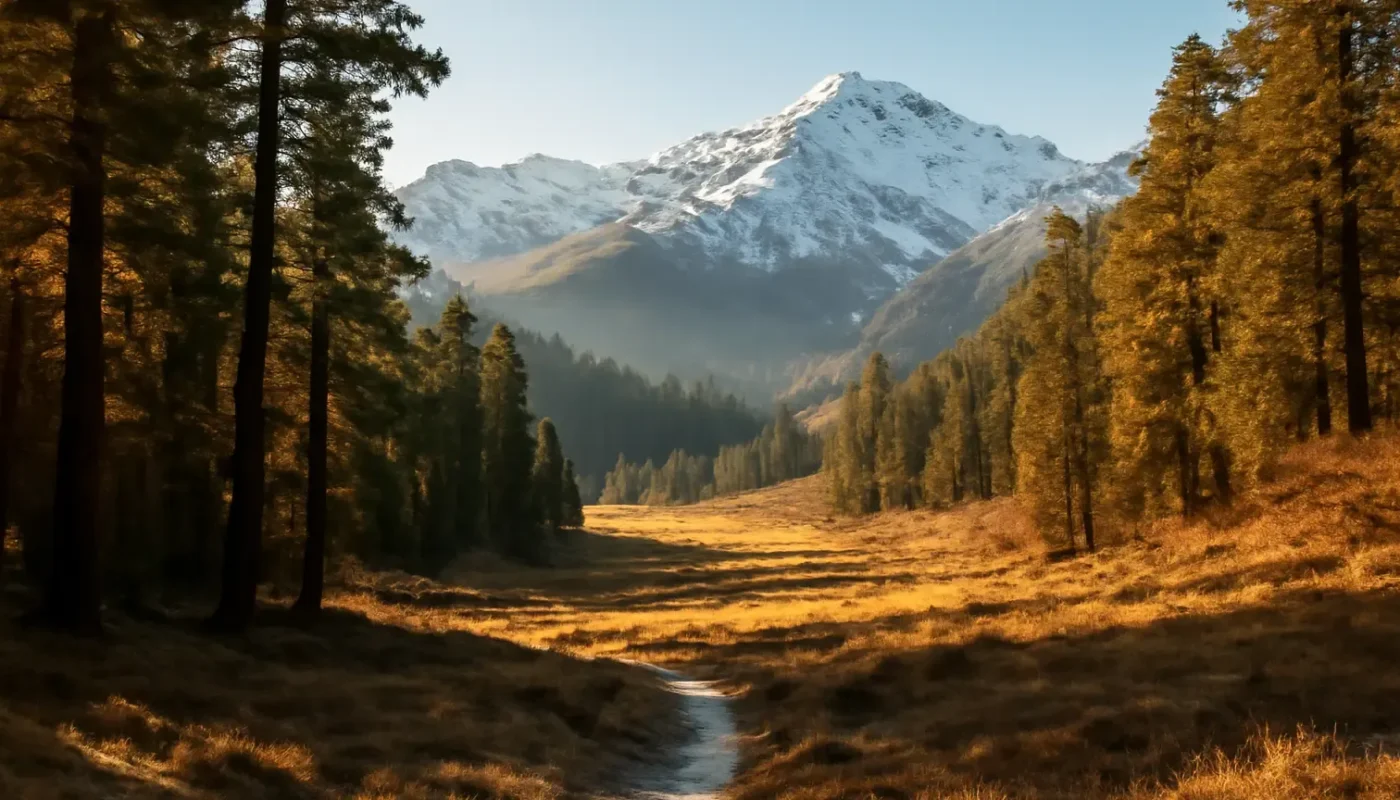
The kedarkantha trek in november offers a useful balance for travellers who want a Himalayan summit experience without committing to the deepest winter. The trail is usually quieter than in December and January, days can be bright, and autumn forests may still add colour around the lower route. However, November is a transition month: a warm, dry spell can leave the trail largely snow-free, while an early western disturbance can bring snow to the summit ridge and upper camps.
Plan this trip around flexibility rather than a guaranteed winter postcard. Road conditions, local permissions, campsite operations and weather can change, especially after snowfall. This guide covers the Kedarkantha trek route, transport, realistic costs, accommodation, fitness and a practical packing plan.
Kedarkantha trek in November: route and day-wise itinerary
The standard route begins at Sankri in Uttarkashi district, Uttarakhand. Distances and walking times vary with the campsite selected, weather and group pace. A common itinerary takes five days on the trail, or six days if you include a rest or road-transfer buffer.
Day 1: Dehradun to Sankri
Travel by shared taxi, bus or reserved vehicle from Dehradun towards Sankri, a journey of approximately 190–220 km that can take about 8–11 hours. The road passes through the lower Garhwal hills and smaller settlements. Arrive before dark if possible, but keep a buffer because mountain traffic, roadwork and weather can extend the drive. Overnight in a homestay, lodge or trek operator’s accommodation.
Day 2: Sankri to Juda ka Talab
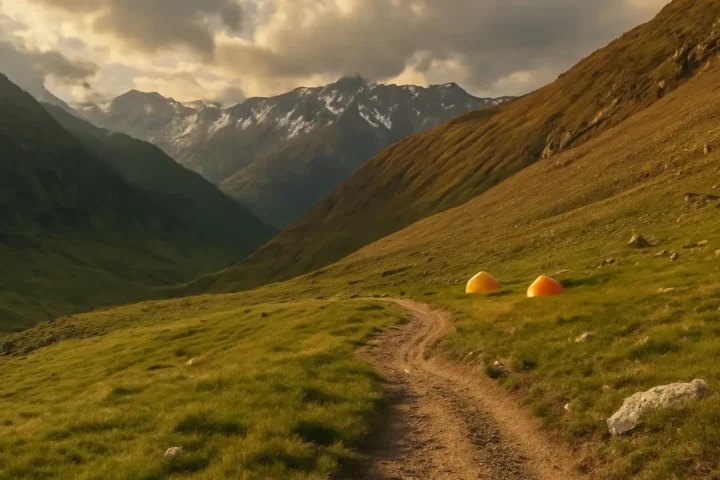
The first walking stage is approximately 4–6 km and generally takes 4–6 hours. The path climbs through pine and oak forest, with rests along the way, before reaching the meadows and lake area of Juda ka Talab. In November, the lake may be partly frozen during cold spells, but this should not be assumed. Camp or use an organised tented stay according to local arrangements.
Day 3: Juda ka Talab to Hargaon
This is usually a shorter stage of around 3–5 km and 3–5 hours, although snow, mud and pack weight can alter the pace. The trail gradually opens into alpine meadows near Hargaon, where views towards ranges including Swargarohini may appear in clear weather. Use the afternoon to hydrate, organise summit layers and attend the trek briefing.
Day 4: Hargaon to Kedarkantha summit and return
The summit day is the most demanding part of the Kedarkantha itinerary. Depending on the camp and route conditions, the round trip may take approximately 7–10 hours, with an early start often used to reach the ridge before clouds build. The summit is near 3,810 metres. Descend carefully: tired legs, loose ground, ice or fresh snow can make the return slower than the ascent. Many groups return to Hargaon or Juda ka Talab rather than pushing too far after the summit.
Day 5: Return to Sankri
Descend from the upper camp to Sankri in roughly 4–7 hours, depending on the overnight location and trail condition. A sixth day can be added for a road buffer, delayed transport or a more relaxed descent. Do not combine a late summit return with a long drive unless the operator and local guide consider it safe.
Kedarkantha trek November weather and snow chances
kedarkantha trek november weather is typically cold at night and more comfortable in direct daytime sunlight at lower elevations. Sankri can feel cool rather than severely wintry, while Juda ka Talab, Hargaon and the summit ridge are substantially colder. Wind exposure on the summit can make the apparent temperature feel much lower than the forecast.
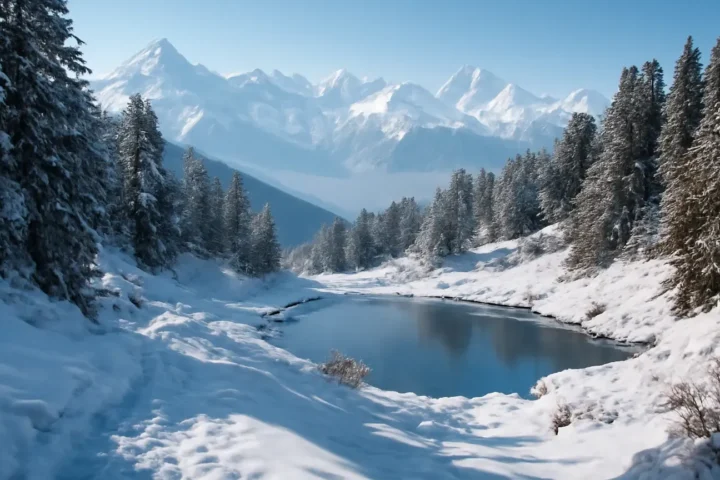
kedarkantha trek snow in november is a probability, not a promise. Early November may have little or no settled snow on the lower trail. Snow is more plausible on the upper camps and summit ridge, particularly after a fresh weather system. Mid- to late-November generally has a better chance of frozen patches or snowfall than the first week, but no date guarantees a fully white route.
| November period | Likely trail character | Who it suits |
|---|---|---|
| Early November | Often clearer lower trails; snow uncertain at altitude | Hikers who value easier walking and accept limited snow |
| Mid-November | Cold nights; upper-route snow possible | Travellers seeking a seasonal mix with flexible expectations |
| Late November | Greater chance of ice or snow; colder camps | Prepared trekkers comfortable with winter conditions |
Check the forecast shortly before departure and ask the local administration, guide or operator about trail access. Snow can change the route, turnaround time and equipment requirements within hours. Do not treat social-media photographs from a different week as a forecast.
How to reach Kedarkantha from Delhi and other cities
The practical starting point is Dehradun. From Delhi, travellers can use a train, flight or road service to reach the city, then arrange onward transport to Sankri. Dehradun is usually more convenient than travelling via Haridwar because it reduces the final road transfer, although availability and fares vary.
- By air: Fly to Jolly Grant Airport, also called Dehradun Airport, and allow approximately 1–2 hours to reach the city depending on traffic. The onward drive to Sankri is roughly 200 km and can take 8–11 hours.
- By rail: Dehradun railway station is the most direct rail arrival point. Haridwar Railway Station has more connections for some travellers, but requires a longer road transfer. Check Indian Railways or IRCTC for current services rather than relying on old timetables.
- By road: Buses and shared vehicles may operate towards Uttarkashi, Purola and Sankri, but direct availability can be seasonal. A reserved taxi suits families or groups carrying bulky winter gear, while a shared vehicle is cheaper but less flexible.
Book a road buffer on both ends of the trek. Rishikesh can be added as a pre- or post-trek stop, but it is not a substitute for reaching Sankri on time. The full Kedarkantha travel guide should be read alongside current road and weather updates.
Fitness, difficulty and altitude expectations
Kedarkantha is often marketed as a beginner-friendly summit, but that label does not mean it is effortless. The route includes sustained uphill walking, uneven forest paths, cold exposure and a long summit day. A person who can comfortably walk 8–10 km on rolling terrain and train on stairs or inclines for several weeks will be better prepared than someone relying only on occasional city walks.
Build fitness with brisk walking, stair climbing and light strength work for the legs and core. Increase distance gradually and practise carrying a small daypack. At approximately 3,810 metres, altitude-related symptoms can occur even in fit people. Ascend steadily, drink regularly, avoid alcohol, and tell the guide promptly if you feel unusually unwell. Anyone with a medical condition, pregnancy or prior altitude concern should consult a qualified doctor before booking.
Can beginners do the Kedarkantha trek in November?
Beginners can attempt the trek in November if they are reasonably fit, use a reputable local operator or guide and accept that snow, cold and a long summit day may increase difficulty. Absolute beginners should choose a slower itinerary and avoid travelling alone.
Accommodation, food and local transport
In Sankri, expect basic guesthouses, homestays and small lodges rather than large hotels. Rooms may have shared bathrooms, limited heating and intermittent hot water. On the trail, accommodation is usually in tents or simple camp structures arranged by an operator. Confirm whether sleeping bags, mattresses, meals, water treatment and porter support are included before paying.
Meals generally consist of practical vegetarian trek food such as rice, dal, roti, vegetables, noodles and soup. Try local Garhwali food in a respectful, hygienic setting when available, but do not expect restaurant variety at altitude. Carry small, non-messy snacks and take all packaging back to the collection point. The route lies in the wider landscape of Govind Wildlife Sanctuary, so follow local waste and wildlife rules and avoid loud or careless behaviour.
Local transport is usually arranged through shared jeeps or private taxis. Agree on the approximate fare, pickup point, waiting time and luggage terms before departure. A locally coordinated driver may understand road conditions better than an unfamiliar vehicle provider.
Kedarkantha trek cost, permits and booking checks
The approximate Kedarkantha trek cost is ₹10,000–₹20,000 per person for a standard organised trip from Dehradun, excluding travel to Dehradun. The range depends on group size, accommodation, transport, guide and porter support, meals, season and whether the package includes equipment. Premium private departures can cost more, while an independently arranged plan may appear cheaper but requires greater responsibility for logistics and safety.
- Road transport between Dehradun and Sankri: approximately ₹2,000–₹6,000 per person depending on vehicle and sharing.
- Sankri accommodation and meals: approximately ₹800–₹2,000 per person per night, varying by room and season.
- Organised trek services: approximately ₹7,000–₹15,000 per person for several trail days, depending on inclusions.
- Personal gear rental or purchases: approximately ₹1,000–₹5,000, depending on what you already own.
Ask for a written inclusion list. Confirm current Kedarkantha permits, forest permissions, local registration, insurance expectations, cancellation terms and identification requirements with the operator and local authorities. Rules can change, and a national identity document may be requested for registration. Do not assume a package includes evacuation, porter tips or transport after an early turnaround.
Kedarkantha packing list for November
A useful November packing system uses several warm layers instead of one very bulky jacket. Keep one dry set reserved for camp and protect electronics and documents from dampness.
- Moisture-wicking base layers, fleece or warm mid-layer, insulated jacket and a waterproof shell.
- Warm trekking trousers, thermal bottoms, wool or synthetic socks, gloves, beanie and neck warmer.
- Sturdy ankle-support trekking shoes with good grip; consider traction aids only after checking the actual ice conditions.
- Headlamp with spare batteries, sunglasses, sunscreen, lip balm, reusable water bottles and a personal first-aid kit.
- Small daypack, rain cover, dry bags, power bank, identity documents and some cash in small notes.
- Sleeping bag suitable for expected sub-zero nights if the operator does not provide an adequate one.
- Light snacks, personal medicines and prescribed medication. Pack out wrappers and avoid single-use plastic where possible.
What should I pack for Kedarkantha in November?
Pack layered winter clothing, waterproof outerwear, grippy trekking shoes, warm gloves, a beanie, headlamp, sun protection, personal medicines, a refillable bottle and a sleeping bag if your operator does not provide one.
Common mistakes and responsible trekking
The most common error is booking solely for guaranteed snow. A second is underestimating the road journey to Sankri and arriving exhausted before the walk begins. Other avoidable problems include wearing new shoes, carrying insufficient insulation, ignoring the guide’s turnaround time and assuming mobile connectivity throughout the route.
- Keep one spare day for road delays, weather or a changed summit plan.
- Share your itinerary and emergency contact with someone at home.
- Use marked routes and follow the local guide instead of taking shortcuts.
- Respect village customs, ask before photographing residents and dress modestly around temples and community spaces.
- Carry waste back, use designated toilets and do not disturb wildlife or collect plants.
Travellers comparing Kedarkantha tour packages should check guide-to-group ratios, emergency procedures, gear quality and local employment practices, not just the lowest price. Kedarnath is a separate destination with different access, altitude and pilgrimage logistics; do not combine assumptions about the two treks.
Who should choose this November trek?
The trek suits hikers seeking a manageable Himalayan summit, forest walking, mountain views and a short break from city life. It is particularly suitable for people who can manage cold nights and variable conditions but do not require a guaranteed snow cover. Families with young children, travellers with no hill-walking experience and anyone uncomfortable with basic camps should consider a shorter Uttarakhand nature trip instead.
Bottom line
The Kedarkantha trek in November can be rewarding, but its strongest advantage is the combination of quieter trails, clear-weather possibilities and a flexible shoulder-season experience—not guaranteed snow. Choose a realistic 4–6 day plan, build fitness, reach Sankri with a road buffer, verify permissions and pack for cold, wet and icy conditions. Make the final decision after checking the latest local forecast and trail update.
Before you go: prices, timings, permits and road conditions change by season. Please confirm the latest details with Uttarakhand Tourism Department, Uttarkashi district administration, Indian Railways and IRCTC and Jolly Grant Airport, Dehradun airport authority or airline operator status pages. Last reviewed: November 2026.
Frequently Asked Questions
Is there snow on the Kedarkantha trek in November?
Snow is possible on the upper camps and summit ridge, especially in mid- or late November, but early November can be mostly snow-free. Confirm conditions shortly before departure.
How many days are needed for the Kedarkantha trek?
Allow 4–6 days from Dehradun, including the road journey to Sankri, trail days and a useful buffer for weather or transport delays.
What should I pack for Kedarkantha in November?
Carry layered winter clothing, a waterproof shell, warm gloves and hat, grippy trekking shoes, a headlamp, sun protection, personal medicines and suitable sleeping insulation.
How difficult is Kedarkantha in November?
It is moderate for a prepared hiker, but cold, ice, snow and the long summit day can make November harder than a dry autumn trek.
How do I reach Sankri from Dehradun?
Use a shared jeep, bus where available or a reserved taxi. The approximately 200-km mountain drive commonly takes 8–11 hours, depending on traffic and road conditions.
What is the approximate Kedarkantha trek cost?
A standard organised trip from Dehradun commonly costs about ₹10,000–₹20,000 per person, excluding travel to Dehradun; inclusions and season change the total.

Written by