Hampta Pass Trek: A 5-Day Plan, Costs and Packing List
A practical Hampta Pass trekking guide for first-timers, covering a flexible five-day route, budget ranges, transport, permits, packing, weather and responsible travel.

Quick answer
The Hampta Pass trek is a beginner-conscious 5-day crossing from Manali’s green Kullu Valley to the stark landscape near Chatru in Himachal Pradesh. Plan roughly 26–35 km of walking, with the highest point around 4,270 m. Budget approx. ₹8,000–₹18,000 per person from Manali, excluding travel to Himachal. Go with a registered operator, keep one weather buffer day, confirm local permits and road conditions, and pack for rain, snow, cold and limited facilities.
Key facts at a glance
| Ideal duration | 5 days, with 1 buffer day preferred |
|---|---|
| Trek altitude | Approx. 4,270 m at Hampta Pass |
| Walking distance | Approx. 26–35 km, route-dependent |
| Best season | June to September; verify conditions |
| Nearest airport | Bhuntar Airport, approx. 50 km from Manali |
| Nearest railway option | Joginder Nagar, approx. cuesta? 125–160 km by road |
| Budget per person | Approx. ₹8,000–₹18,000 from Manali |
| Permits and checks | Local permissions and operator paperwork may apply |
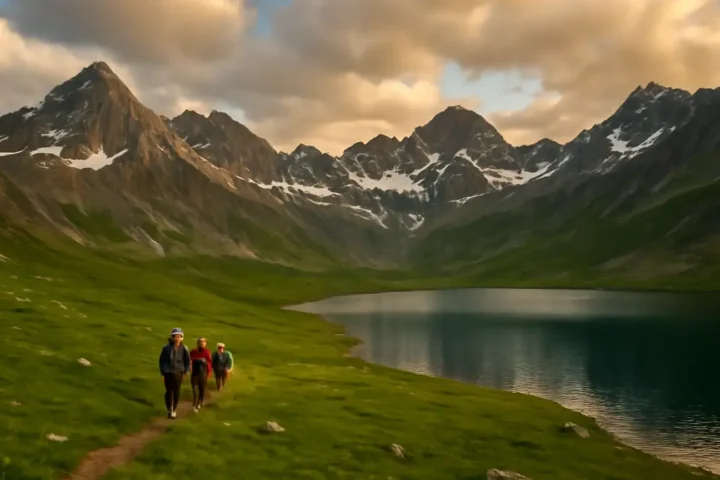
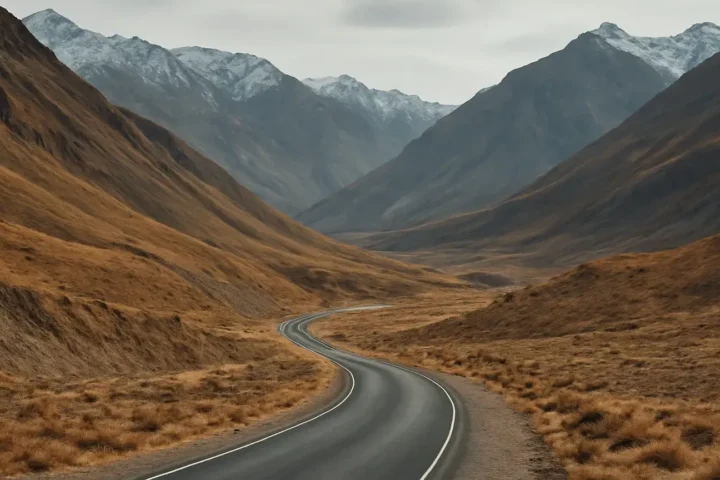
The Hampta Pass trek is one of Himachal Pradesh’s most rewarding short high-altitude crossings: it begins among pine forests and meadows near Manali and finishes in the dry, dramatic terrain leading towards Chatru and Spiti Valley. The route is suitable for fit beginners with a cautious plan, but it is not a casual walk. Weather can change quickly, river crossings may be uncomfortable, and the pass reaches approximately 4,270 metres.
This guide explains a practical five-day plan, realistic costs, transport choices, packing priorities and checks to make before booking. Distances, drive times and prices are approximate because local roads, weather, operator inclusions and seasonal access can change.
Hampta Pass trek itinerary: a flexible 5-day plan
The usual Hampta Pass route combines road transfers with four days of walking. Some operators add a day for Chandratal Lake, while others shorten the trek by using a vehicle on the final approach. Confirm the exact camp locations and walking distances before paying.
Day 1: Manali to Jobra, then Chika
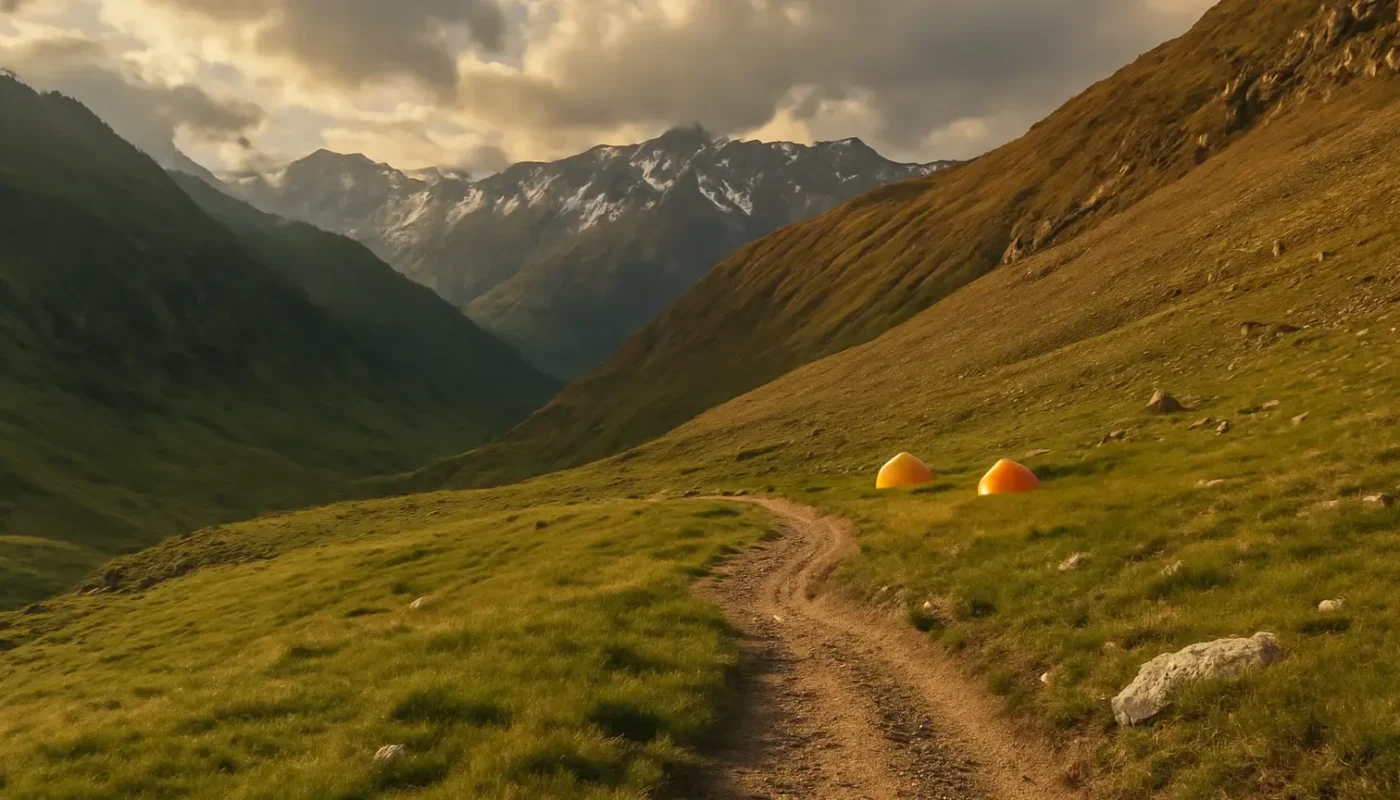
Start with a road journey from Manali towards Jobra, generally around 16–20 km and approximately 1–2 hours depending on traffic and road conditions. The trail then follows the Rani Nallah through forest and open grassland to Chika, often a 2–3 hour walk. This is a useful acclimatisation day rather than a race. Overnight arrangements are usually tents at a designated campsite.
Day 2: Chika to Balu ka Ghera
Expect approximately 7–9 km and 5–7 hours of walking, depending on the camp used. The trail passes streams, open meadows and increasingly exposed ground. Balu ka Ghera is a common camping area, but the exact site may shift with water flow and local permissions. Keep waterproof layers accessible, not buried in the main bag.
Day 3: Balu ka Ghera over Hampta Pass to Shea Goru
This is the most demanding stage, usually about 8–10 km and 7–9 hours. You climb towards the pass, cross a potentially snowy or scree-covered section, then descend sharply into the drier valley. The descent can be hard on knees. Trek leaders may alter the crossing time or halt below the pass if visibility, wind or snow makes the route unsafe.
Day 4: Shea Goru to Chatru and optional Chandratal
The walk to Chatru may take around 4–6 hours over rough terrain. From Chatru, a vehicle may continue towards Chandratal Lake if the road is open and the group has adequate time. Chandratal is an optional extension, not a guaranteed part of every five-day plan; landslides, snow and local road closures can prevent access.
Day 5: Chatru to Manali
Allow roughly 6–10 hours for the road journey back to Manali, depending on stops, traffic and the condition of the Gramphoo–Chatru road. The route may pass near Rohtang Pass or use an alternative road arrangement. Keep a late-evening onward train or flight out of Manali for another day rather than assuming a fixed arrival time.
How to reach Hampta Pass from Delhi and other cities
For most travellers, Manali is the practical base. From Delhi, an overnight bus or private vehicle generally takes approximately 12–16 hours, while journeys from Chandigarh can take around 8–11 hours. These are broad road-time ranges and may increase during rain, traffic or road repair.
- By air: Bhuntar Airport, near Kullu, is the closest airport, roughly 50 km from Manali by road. Flights can be limited and weather-sensitive, so compare fares with a road journey and keep a buffer.
- By rail: Joginder Nagar railway station is the nearest narrow-gauge option, but onward road travel is long and connections are limited. Chandigarh and Ambala are usually more practical rail gateways for travellers arriving by Indian Railways.
- By road: Buses and taxis connect Manali with Delhi, Chandigarh and Kullu. For the Manali to Hampta Pass approach, operators normally arrange a vehicle to Jobra; independent trekkers should confirm local taxi access rather than assuming a bus reaches the trailhead.
Spend at least one night in Manali before starting. This allows time to collect equipment, check Hampta Pass weather, meet the guide and adjust if the approach road is delayed.
Best time for Hampta Pass trek and weather flexibility
The usual trekking window is approximately June to September, but the best month depends on snow, monsoon rainfall and trail conditions. Early summer may offer more snow near the pass; July and August can bring lush scenery but heavier rain on the Manali side. September often brings clearer skies, though nights are cold and late-season snow or road closures remain possible.
| Period | What to expect | Who it suits |
|---|---|---|
| June | Possible snow, cold nights and route changes | Travellers wanting a winter-like landscape who accept uncertainty |
| July–August | Green valleys, rain risk and slippery sections | Flexible travellers with strong waterproofing |
| September | Often clearer views and cold, dry conditions | First-timers seeking a generally more stable window |
Do not treat a published departure date as a guarantee. Ask the operator how it handles a closed pass, unsafe river crossing, cancelled Chandratal drive or an extra night. A one-day buffer in Manali is more useful than a tightly timed return flight.
Hampta Pass trek cost: a realistic budget
The Hampta Pass trek cost is commonly around ₹8,000–₹18,000 per person from Manali for a shared, organised departure. The range depends on group size, equipment rental, meals, transfers, guide ratio, camping nights and whether Chandratal is included. Travel to Manali, personal shopping, insurance and emergency transport may be extra.
| Expense | Approximate range | Notes |
|---|---|---|
| Organised trek package | ₹7,000–₹14,000 | Usually includes guide, meals, tents and basic logistics |
| Manali–Jobra and Chatru transfers | ₹1,000–₹3,500 | May be included or charged separately |
| Equipment rental | ₹500–₹2,500 | Depends on shoes, sleeping bag, poles and layers |
| Extra night or weather delay | ₹1,000–₹3,000+ | Keep a contingency fund for food and accommodation |
Before booking, request a written list of inclusions: permits, meals, transport, porter support, sleeping bags, first-aid kit, waste handling and taxes. Very low prices can exclude transfers, equipment or an experienced high-altitude guide. Compare the total rather than only the headline package amount. If researching Hampta Pass tour packages, check whether the itinerary is genuinely five days or quietly relies on a long final drive.
Permits, operators and responsible trekking in Himachal Pradesh
Hampta Pass permits and local permissions can vary by route, season and current administration. A reputable operator should explain which permissions are required, who obtains them and what identity documents are needed. Carry a government photo ID, emergency contact details, travel insurance information and copies stored securely on your phone.
Check the operator’s registration or local business details, guide experience, group size, evacuation procedure and cancellation policy. Ask whether the team carries communication equipment where mobile coverage is weak. No guide can guarantee a pass crossing; a responsible operator changes the plan when conditions demand it.
Practise responsible trekking in Himachal Pradesh by carrying reusable bottles, avoiding single-use plastic, using designated toilets, keeping soap and chemicals away from streams, and taking all non-biodegradable waste back. Do not pick flowers, disturb wildlife or enter private grazing areas without permission. Speak respectfully with shepherds and campsite communities, and follow local instructions around water sources and religious spaces.
Fitness, altitude and who should choose this trek
Is Hampta Pass trek suitable for beginners?
Yes, the Hampta Pass trek can suit beginners who can walk for 5–9 hours on consecutive days and prepare for steep ascents, uneven descents and cold nights. It is not ideal for someone unused to long walks or uncomfortable with basic camping.
How difficult is the Hampta Pass trek?
The trek is usually graded moderate, with the pass day being the hardest because of altitude, loose ground, snow and the long descent. Build fitness over six to eight weeks with brisk walking, stairs, strength work and weekend hikes. Practise carrying the daypack you will actually use.
Altitude affects people differently. Walk slowly, drink regularly, eat even when appetite is low and tell the guide immediately about unusual breathlessness, severe headache, confusion, vomiting or rapidly worsening symptoms. Do not push through illness to cross the pass; descend and seek medical advice. Travellers with heart, lung or other relevant health conditions should consult a doctor before booking.
What to pack for Hampta Pass trek
What should I pack for Hampta Pass trek?
Pack layered clothing, reliable waterproofing and only what you can carry comfortably. Trekking shoes for Hampta Pass should be broken in, have firm grip and provide ankle support; brand-new shoes are a common source of discomfort.
- Moisture-wicking base layers, fleece or light insulated jacket, and a warm layer for camp.
- Waterproof jacket and trousers, poncho or pack cover, quick-dry trousers and spare socks.
- Broken-in trekking shoes, camp sandals, gaiters if snow or mud is expected, and trekking poles.
- Warm cap, sun hat, gloves, sunglasses, sunscreen and lip balm.
- Headlamp with spare batteries, refillable bottles, water treatment option and personal medicines.
- Small first-aid kit, identity card, power bank, toilet paper, hand sanitiser and dry bags.
- Sleeping bag suitable for cold mountain nights if the operator does not provide one.
Keep documents, phone, snacks and one warm layer in a waterproof daypack. Avoid cotton-heavy clothing, hard suitcases and excessive toiletries. Ask whether the operator provides a duffel transfer or porter; never assume it is included.
Where to stay and what to do before and after
Manali has the widest range of hostels, guesthouses and hotels, while Old Manali and Vashisht suit travellers seeking cafés, baths and a relaxed pre-trek stay. Kullu is useful for transport connections but is farther from the Jobra start. Basic Hampta Pass accommodation is generally tent-based, with limited facilities and no dependable hot shower.
Allow time for local activities without overloading your schedule. Walk beside the Beas River, explore a respectful selection of Kullu markets, or try regional food such as siddu. Do not treat temple visits as photo stops: dress appropriately and follow local rules. A longer Himachal trip can connect onward towards Spiti Valley, but road access and driving time need separate planning.
For a more detailed preparation checklist, use the site’s Hampta Pass travel guide alongside the operator’s final briefing.
Common mistakes to avoid
- Booking the cheapest package without checking transfers, equipment and emergency arrangements.
- Arriving in Manali on the morning the trek starts, leaving no weather or transport margin.
- Underestimating the pass day, especially the descent from the high point.
- Carrying cotton clothes, unsuitable shoes or no waterproof protection.
- Assuming Chandratal Lake is guaranteed in every season or package.
- Leaving plastic, food wrappers or wet wipes at campsites.
- Relying on mobile signal, card payments or fixed road timings in remote areas.
Bottom line
The Hampta Pass trek offers a striking change from green Manali landscapes to the dry mountains near Chatru in only a few days. It works well for prepared beginners who choose a reliable operator, allow weather flexibility and respect altitude limits. Budget approximately ₹8,000–₹18,000 from Manali, carry proper rain and cold protection, and verify the latest route, permissions and road conditions before departure.
Before you go: prices, timings, permits and road conditions change by season. Please confirm the latest details with Himachal Pradesh Tourism Department, Himachal Pradesh local administration, Himachal Pradesh Forest Department or relevant national park authority and Indian Railways and IRCTC. Last reviewed: October 2026.
Frequently Asked Questions
What is the best month for Hampta Pass trek?
September is often preferred for clearer conditions, while June can have more snow and July–August bring greener valleys but greater rain risk. Check current trail and road conditions before booking.
How much does Hampta Pass trek cost?
Plan approximately ₹8,000–₹18,000 per person from Manali for an organised five-day trip. Travel to Manali, optional Chandratal transfers, rentals, insurance and delays may cost extra.
How do I reach Hampta Pass from Delhi?
Travel first to Manali by overnight bus, private vehicle or a flight to Bhuntar followed by a road transfer. The trailhead near Jobra is reached by local vehicle arranged through the operator.
Do I need a permit for Hampta Pass trek?
Local permissions may apply depending on the route, season and current administration. Ask the registered operator which permits are needed and whether it handles the paperwork.
Can I visit Chandratal Lake on a five-day Hampta Pass trek?
Often yes, using a road transfer from Chatru, but access depends on snow, landslides, road conditions and available time. Treat it as weather-dependent rather than guaranteed.
What fitness level is needed for Hampta Pass?
You should be comfortable walking 5–9 hours on consecutive days, climbing stairs and carrying a daypack. Train with brisk walks, strength work and weekend hikes before departure.

Written by