Chitwan safari: a 3-day Nepal plan for Indian travellers
A practical three-day Chitwan plan for Indian travellers, covering routes from Kathmandu and Pokhara, jungle activities, community visits, seasonal advice, costs and responsible wildlife viewing.

Quick answer
Chitwan safari plans work best over three days: travel from Kathmandu or Pokhara to Sauraha, take a guided jeep or canoe outing in Chitwan National Park, and add a Tharu community experience. Allow roughly 5–7 hours by road from either city, or fly to Bharatpur and transfer by road. October to March usually offers the most comfortable conditions, while summer is hotter and monsoon can disrupt activities. Carry valid travel identification, budget for permits and guides, and choose wildlife-friendly operators.
Key facts at a glance
| Ideal duration | 3 days, 2 nights |
|---|---|
| Best time to visit | October–March for comfortable weather |
| Nearest airport | Bharatpur Airport, approx. 15–25 km from Sauraha |
| Road access | Kathmandu or Pokhara: approx. 5–7 hours |
| Nearest practical railway | Raxaul, India; road transfer follows |
| Approx. budget | NPR 18,000–45,000 per person, excluding international travel |
| Main activities | Jeep safari, canoe, nature walk and Tharu experiences |
| Documents | Valid Indian travel ID; verify current entry rules |
A Chitwan safari is a manageable Nepal wildlife break for Indian travellers who want more than a quick city holiday. This three-day plan combines a road or air arrival, guided activities inside or around Chitwan National Park, and time with local communities in and around Sauraha. The itinerary is deliberately unhurried: wildlife sightings are never guaranteed, and leaving space between activities makes the trip more enjoyable.
Chitwan is in southern-central Nepal, in Chitwan District. Most visitors stay in Sauraha on the park’s eastern side, while Meghauli and other western-side communities offer quieter, more resort-oriented alternatives. Before booking, compare the travel time, safari inclusions and conservation practices rather than choosing only on the lowest price.
How to reach Chitwan from Kathmandu or Pokhara
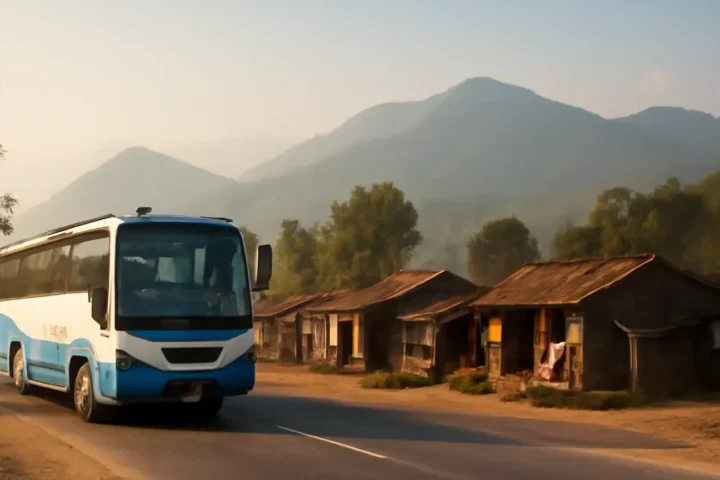
Road travel is the most common option. From Kathmandu, Sauraha is approximately 150–175 km away and the journey generally takes about 5–7 hours, depending on traffic, roadworks and weather. From Pokhara, the distance is approximately 145–175 km, with a similar 5–7-hour range. These are estimates, not fixed schedules, particularly during monsoon or festival periods.
- From Kathmandu: Tourist buses, shared vehicles and private cars usually follow the highway towards Mugling and Narayanghat, followed by the local road to Sauraha. A private vehicle suits families and groups carrying luggage; a bus is usually the more economical choice.
- From Pokhara: This route works well if Chitwan follows a lakeside stay. A private transfer gives more flexibility, while a tourist bus generally offers better value but less control over stops.
- By air: Flights from Kathmandu to Bharatpur Airport can reduce road time, but fares and availability vary by season. Bharatpur Airport is approximately 15–25 km from Sauraha, usually a 30–60-minute road transfer depending on traffic.
- From India: Indian travellers may consider Gorakhpur or Raxaul railway station for an overland journey. Raxaul connects with Birgunj across the border, but the onward road journey to Sauraha can still take roughly 4–6 hours and requires border formalities. From Gorakhpur, the total road route is longer and may suit travellers already exploring Uttar Pradesh.
Check road conditions shortly before departure. Indian Railways and IRCTC schedules, Nepal flight operations, and bus departure points can change. If you prefer less coordination, a well-reviewed transfer operator or a customised Chitwan tour packages option may be practical, provided the wildlife inclusions are clearly written.
Chitwan safari itinerary: three days in Sauraha
Day 1: Arrive, settle in and meet the community
Arrive in Sauraha by afternoon or early evening, check into your accommodation and keep the first day light. A riverside walk near the Rapti River is a pleasant introduction, but follow local guidance about safe distances and do not approach wild animals near the water.
Later, join a Tharu cultural programme or visit a community museum if one is operating. Tharu culture is central to the region’s identity, and a respectful visit means asking before taking photographs, listening to local explanations and buying crafts directly from makers where possible. Dinner may include Nepali staples such as dal bhat, seasonal vegetables and local snacks. Confirm the next day’s meeting time with your guide before retiring early.
Day 2: Jeep safari, canoe and a nature walk
Start with a guided jeep safari in Chitwan National Park or its designated buffer-zone areas. The exact route depends on park permissions, water levels, recent animal movement and the operator’s allocation. Look for one-horned rhinoceros, spotted deer, wild boar, crocodiles and many bird species; a Bengal tiger sighting is possible but never promised.
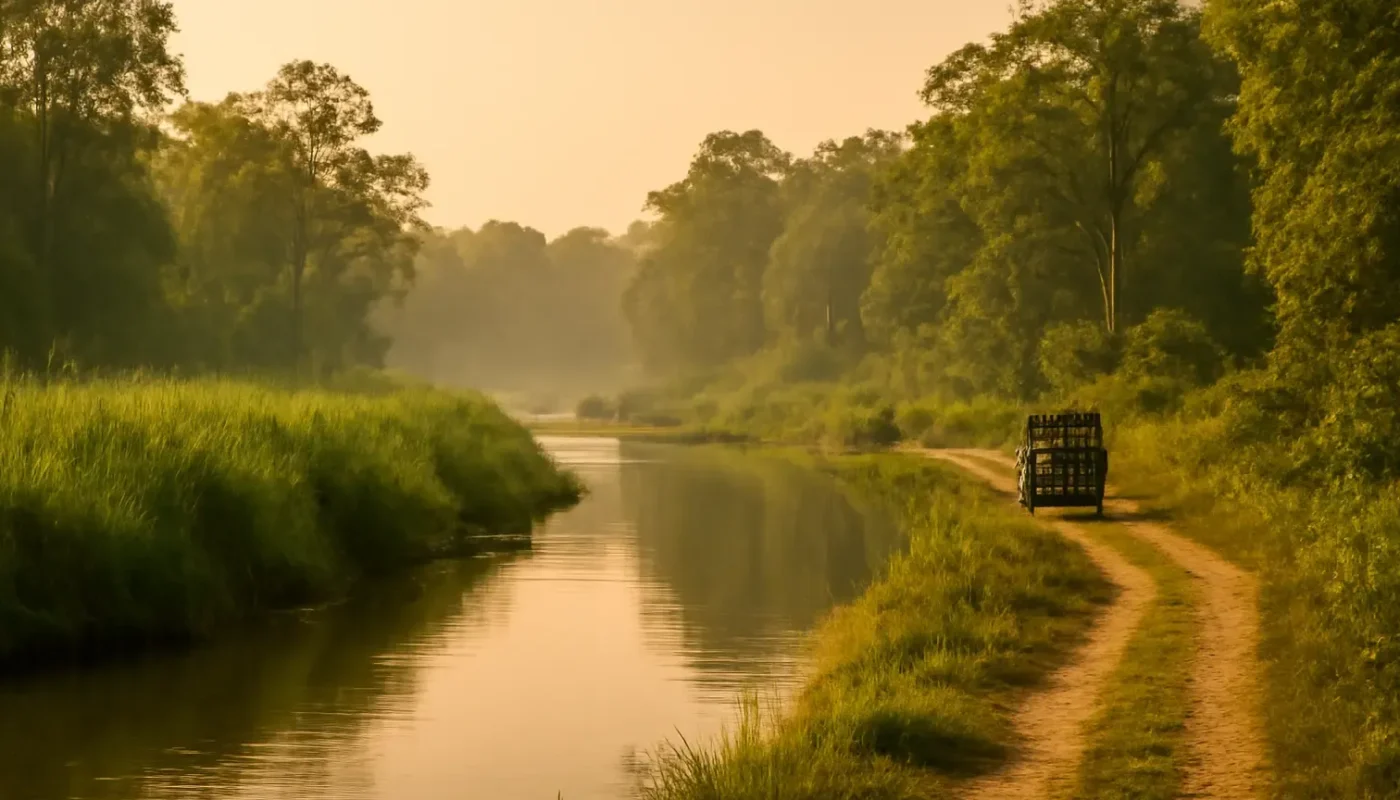
After a midday break, take a canoe ride on the Rapti or Gandaki River, depending on local arrangements. Canoeing is particularly useful for observing waterbirds and crocodiles from a quiet distance. A short nature walk with a trained naturalist can follow, but it should only happen on approved routes with clear instructions. Walking in the forest is not a self-guided activity.
Keep voices low, stay inside the vehicle or with the group as instructed, and never feed animals. Avoid operators offering close-contact wildlife encounters or elephant rides. Responsible wildlife viewing protects animals and usually produces a calmer, more authentic experience.
Day 3: Choose a final activity and depart
Use the morning for a second, shorter outing if your budget and departure time allow. Birdwatching is a good alternative to repeating a full jeep route, especially for families or travellers who prefer a slower activity. You can also visit an authorised conservation or education centre, such as the Elephant Breeding Centre, after checking current access arrangements and welfare standards.
Depart for Bharatpur Airport, Kathmandu or Pokhara after breakfast or an early lunch. If travelling by road, keep a time buffer of at least a few hours for traffic and unplanned stops. A late departure can make the onward connection tiring, particularly after a full morning outdoors.
Best time for Chitwan safari: seasons and trade-offs
The best time for Chitwan safari depends on whether you prioritise comfortable weather, greener scenery or lower-season rates. October to March is generally the easiest period for Indian travellers: skies are often clearer, daytime conditions are more comfortable and winter mornings can be pleasantly cool. December and January may feel chilly before sunrise, so pack a light layer.
| Season | What to expect | Who it suits |
|---|---|---|
| October–November | Fresh post-monsoon landscapes; pleasant days; demand rises | First-time visitors and photographers |
| December–February | Cooler mornings; comfortable daytime outings; occasional haze | Families and travellers avoiding heat |
| March–May | Hotter afternoons; dry vegetation; early activities are preferable | Wildlife enthusiasts comfortable with heat |
| June–September | Monsoon rain, muddy roads and possible activity changes | Flexible travellers seeking quieter stays |
October is a strong choice for a 2026 visit, but book transport and accommodation around major holidays early. Wildlife visibility varies daily; dry-season conditions can make animals easier to spot in some areas, while post-monsoon greenery creates better scenery. No season guarantees a tiger or rhinoceros sighting.
What is the best time for a Chitwan safari?
The best time is usually October to March for cooler conditions and more predictable outdoor activities, although March to May can also work for travellers who tolerate heat and start outings early.
Chitwan National Park safari activities and permits
A Chitwan National Park safari normally involves a licensed guide, an approved vehicle and park-entry arrangements handled either by the operator or accommodation. Ask for an itemised quote showing park permit, guide, vehicle, canoe and any community programme separately. Fees and rules can change, and foreign visitor charges may differ from those for Nepali citizens.
Popular Chitwan jungle activities include:
- Half-day or full-day jeep drives, suited to families and travellers seeking broader coverage.
- Canoeing, which is quieter and often easier for birdwatchers.
- Guided forest walks, suited to active travellers who are comfortable following strict safety instructions.
- Birdwatching, particularly useful for a slower second morning.
- Tharu cultural visits and local food experiences, which add context beyond wildlife.
Book only with operators who explain their guide credentials, vehicle capacity, route permissions and animal-welfare policy. Do not insist on leaving a vehicle, approaching a rhinoceros or making noise to attract animals. Park staff and local guides have the final say when conditions change.
Sauraha accommodation and local transport
Sauraha accommodation ranges from simple guesthouses to mid-range lodges and larger resorts. Staying near the main village is convenient for restaurants, guides and evening cultural programmes. Riverside properties can feel more peaceful, but confirm walking arrangements after dark and the distance to your pickup point.
Meghauli and western Chitwan suit travellers seeking a quieter resort stay, while Sauraha is usually better for a first visit, budget control and easy access to multiple operators. Ask whether the rate includes breakfast, transfers, park fees, a guide and activities. A low room rate can become expensive once every safari element is added separately.
For Chitwan local transport, hotels can arrange jeeps, electric rickshaws, bicycles or short transfers. Walking works within central Sauraha during the day, but do not wander near forest edges or riverbanks without local advice. Negotiate private vehicle rates before departure and check whether waiting time is included.
Chitwan safari cost and a realistic budget
A three-day Chitwan trip for Indian travellers can cost approximately NPR 18,000–45,000 per person, excluding travel from India and international flights. The range assumes two people sharing a room and varies with transport, accommodation, season and the number of safari outings.
| Expense | Approximate range per person | Main variable |
|---|---|---|
| Road travel from Kathmandu or Pokhara | NPR 2,000–7,000 one way | Bus, shared car or private transfer |
| Two nights’ stay | NPR 4,000–18,000 | Room type and meal plan |
| Jeep and park activities | NPR 7,000–18,000 | Route, group size and inclusions |
| Meals and local transport | NPR 3,000–8,000 | Restaurant choice and transfers |
| Air transfer to Bharatpur | Variable; often a higher-cost option | Booking date and availability |
Use the Chitwan travel guide on your shortlist to compare inclusions, not just headline prices. Keep cash for small purchases, but confirm payment options with your hotel and operator. Indian rupee acceptance can vary, so carry some Nepalese currency and avoid relying entirely on one payment method.
Documents, packing and practical safety
Indian citizens generally travel to Nepal under special entry arrangements, but accepted identity documents and air or land-border requirements can differ. Carry a valid passport or an accepted Indian government voter identity document and verify the latest rules before departure. Aadhaar should not be assumed to be sufficient for every checkpoint or flight.
For the Chitwan park permit, provide the information requested by the authorised counter or safari operator. Carry photocopies or secure digital copies of identity documents, travel insurance details and emergency contacts. Foreign nationals travelling with Indian companions should check their own visa and passport requirements separately.
What should I pack for Chitwan National Park?
Pack lightweight, muted-colour clothing, a long-sleeved shirt, comfortable closed shoes, a hat, sunscreen, insect repellent, binoculars, a refillable water bottle, a small day bag and a light rain layer. Add warm clothing for winter mornings and a dry bag during the monsoon.
- Choose breathable clothing that covers shoulders and legs during walks.
- Carry prescribed medicines and consult a doctor for personal health concerns before travel.
- Use a camera with a quiet mode and do not use flash close to animals.
- Keep plastic waste with you until a proper disposal point is available.
Common planning mistakes to avoid
- Trying to combine Kathmandu, Pokhara and Chitwan in three rushed days. Pick two bases or add extra nights.
- Booking a safari without confirming whether the park permit, guide and vehicle are included.
- Assuming a tiger sighting is guaranteed. Chitwan is a wild habitat, not a zoo.
- Scheduling an evening road departure immediately after a morning safari.
- Choosing elephant rides or animal-contact activities that may compromise welfare.
- Ignoring monsoon road conditions and festival-period transport demand.
How many days are enough for Chitwan National Park?
Three days and two nights are enough for a first visit with one main jeep outing, one quieter activity and a community experience; four days allow a second full safari and more travel flexibility.
Is Chitwan worth visiting from Kathmandu?
Chitwan is worth visiting from Kathmandu if you can spare at least three days, because the road journey is long but the wildlife, river landscape and Tharu experiences provide a clear contrast to the capital.
Can you see tigers in Chitwan?
You can see tigers in Chitwan, but sightings are uncommon and never guaranteed; plan around the wider wildlife experience, including rhinoceros, deer, crocodiles and birds.
Who this Chitwan trip suits
This plan suits families, couples, first-time Nepal visitors and Indian travellers combining wildlife with Kathmandu or Pokhara. It is also a good fit for people who prefer guided activities and moderate travel logistics. Travellers seeking nightlife, luxury shopping or a very short weekend may find the long road transfers less rewarding.
Chitwan is not a high-altitude destination, so altitude acclimatisation is generally not the planning issue it can be in places such as Kedarnath. Heat, insects, road fatigue and sun exposure matter more. If you have a medical condition or particular mobility needs, discuss the itinerary with a doctor and ask the lodge about vehicle access and walking distances.
Bottom line
A three-day Chitwan plan balances wildlife, rest and local culture without treating sightings as a guarantee. Travel from Kathmandu or Pokhara by road, or fly to Bharatpur when time matters; stay in Sauraha for convenience; choose a licensed, welfare-conscious operator; and keep the season and road conditions in mind. With realistic expectations, Chitwan can be one of the most rewarding additions to an India–Nepal holiday.
Before you go: prices, timings, permits and road conditions change by season. Please confirm the latest details with Nepal Tourism Board, Chitwan National Park authority, Department of Immigration, Nepal and Bharatpur Airport authority. Last reviewed: October 2026.
Frequently Asked Questions
How do Indian citizens reach Chitwan from India?
They can travel overland via Raxaul–Birgunj or through routes near Gorakhpur, then continue by road to Sauraha. Check current border and identity-document rules before departure.
How much does a Chitwan safari cost?
A three-day trip commonly falls around NPR 18,000–45,000 per person, excluding international travel, depending on transport, accommodation, permits and safari inclusions.
Is Chitwan worth visiting from Kathmandu?
Yes, if you can allow three days or more. The road journey is long, but the national park, riverside landscape and Tharu experiences offer a strong contrast to Kathmandu.
What is the best time for a Chitwan safari?
October to March is generally the most comfortable period, while March to May can offer good wildlife conditions for travellers who can manage hotter afternoons.
Can you see tigers in Chitwan?
Tiger sightings are possible but not guaranteed. Plan for the complete wildlife experience, including one-horned rhinoceros, deer, crocodiles and numerous bird species.
What should I pack for Chitwan National Park?
Pack muted lightweight clothing, closed shoes, a hat, sunscreen, insect repellent, binoculars, a reusable water bottle, a small day bag and a light rain layer.

Written by