Best Time to Visit Spiti Valley: Weather, Roads and Crowds
Compare Spiti Valley’s summer, monsoon and shoulder-season travel windows, with practical advice on roads, altitude, crowds, budgets and first-time itineraries.

Quick answer
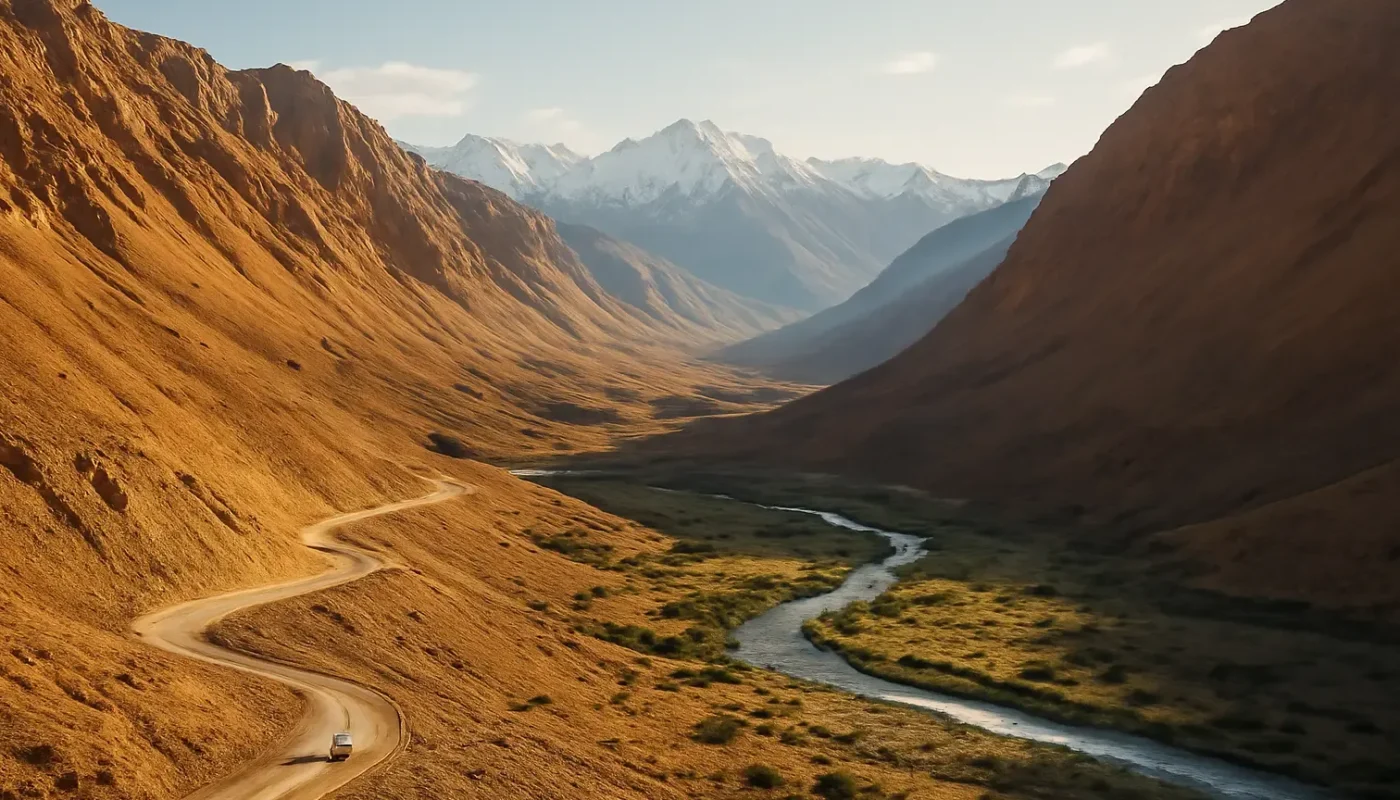
The best time to visit Spiti Valley is usually June to September, when the Shimla–Kaza route and, later in the season, the Manali–Kaza route are more accessible. July and August offer greener valleys but can bring rain-related delays on the Shimla side. June and September suit travellers who want fewer crowds, while July and August are easier for first-timers seeking reliable road access and open homestays. Winter is beautiful but demanding, with snow closures, very cold nights and limited transport.
Key facts at a glance
| Best overall window | July to September, approx. |
|---|---|
| Best for first-timers | Late June to September |
| Quieter options | June and late September to October |
| Ideal duration | 8-10 days, approx. |
| Main gateway | Shimla or Manali by road |
| Nearest airport | Bhuntar Airport, approx. 250-280 km from Kaza |
| Nearest railway station | Kalka, approx. 450-500 km from Kaza by road |
| Kaza altitude | Approx. 3,800 m above sea level |
Why timing matters in Spiti Valley
Spiti Valley is a high-altitude cold desert in Himachal Pradesh, and the travel season is shaped more by mountain roads than by a conventional holiday calendar. Kaza sits at approximately 3,800 metres, while Kunzum Pass and Chandratal are higher. A sunny forecast in a town does not guarantee a clear pass, and a short landslide, snow patch or water crossing can change a road journey.
This Spiti Valley weather by month guide is useful for comparing access, temperatures, crowds and services, but current local road updates remain essential. The practical decision is not simply whether Spiti is beautiful in a particular month. It is whether your chosen route is open, whether your body can adjust to the altitude, how much flexibility you have for delays and whether you prefer busy peak-season services or quieter villages. For planning basics such as routes, stays and permits, use this Spiti Valley travel guide alongside current local updates.
Best time to visit Spiti Valley by season
| Travel window | Weather and roads | Crowds and cost | Best suited to |
|---|---|---|---|
| June | Cold mornings; Shimla route is usually the practical entry; Manali route may open later | Moderate crowds; some seasonal services are still starting | Flexible travellers and road-trip planners |
| July-August | Generally accessible; rain can affect the Shimla-Kinnaur approach | Peak demand in popular villages; occasional better-value stays away from Kaza | First-timers wanting the widest choice of transport and accommodation |
| September | Clearer skies and crisp days; both routes may be usable if passes remain open | Fewer visitors after the peak; prices may ease | Photographers, hikers and independent travellers |
| October | Cold nights; snow risk increases on high passes; some facilities begin closing | Quiet, but fewer transport and food options | Prepared travellers with flexible plans |
| November-April | Severe cold and frequent snow-related road disruption; Manali route is generally closed | Very quiet; limited tourist infrastructure | Experienced winter travellers with local support |
June: an early-season option
June is a useful shoulder-season month, especially for entering through Shimla, Kinnaur and Nako before continuing towards Tabo and Kaza. The landscape may still carry snow on the higher passes, and the Manali–Kaza road may not be consistently open at the start of the month. Some camps and homestays near Chandratal may open only after access is confirmed.
Choose June if you can add a buffer day or two and accept cold nights. It is not the best month for travellers with fixed flights, tight office leave or a firm promise to complete both road approaches.
July and August: easiest for most first-timers
July and August are commonly the most convenient months for a first Spiti trip because transport, homestays, cafés and guided tours are operating more regularly. The Manali side may be available after the road over Rohtang and Kunzum Pass is cleared, while the Shimla side remains an important alternative.
The trade-off is monsoon weather in parts of Himachal Pradesh, particularly around Shimla, Kinnaur and the Sutlej valley. Rain can cause delays, falling debris or temporary road blocks even though the Spiti basin itself is relatively dry. Keep at least one spare day and avoid planning a same-day connection to a flight.
September: the most balanced month
September often combines manageable road access, clearer skies, comfortable daytime sightseeing and fewer crowds than the core summer period. It is a strong choice for travellers who want to visit Key Monastery, Tabo, Dhankar, Pin Valley and Chandratal without the busiest atmosphere.
Conditions are still mountainous and changeable. By late September, high-pass weather can deteriorate quickly, so confirm the status of Kunzum Pass and the Chandratal approach before committing to the Manali exit.
October to May: quiet but demanding
October can be rewarding for experienced travellers who want empty roads, golden light and a more peaceful village experience. However, nights are very cold, some water lines and cafés may be affected by freezing conditions, and services become less predictable. The Manali route is particularly unsuitable to assume in October without a current local update.
From November through April, Spiti is not a straightforward sightseeing destination. Kaza and nearby villages may remain reachable through the Shimla-Kinnaur side in some periods, but snow, road closures and limited public transport can interrupt plans. Winter travel should be arranged with a reliable local operator, a capable vehicle, appropriate clothing and a flexible itinerary.
Shimla route or Manali route?
The Shimla to Kaza route is longer but usually offers a gradual gain in altitude. A common journey passes through Narkanda, Rampur, Kalpa or Reckong Peo, Nako, Tabo and Dhankar before Kaza. The distance from Shimla to Kaza is approximately 430-500 km by road, often requiring 2-3 travel days depending on stops and road conditions.
The Manali–Kaza route is shorter in distance, approximately 200-250 km between Manali and Kaza depending on the exact road alignment, but it crosses high passes and is more sensitive to snow and road clearance. A drive can take approximately 10-14 hours when conditions are good, but it is wiser to split the journey or allow a substantial delay margin. Chandratal is a popular detour, not a guaranteed stop. Check current Manali to Kaza road conditions before planning this crossing.
| Route | Main advantage | Main concern | Good for |
|---|---|---|---|
| Shimla-Kinnaur-Kaza | Gradual acclimatisation and a longer cultural journey | Rain-related disruption and a longer drive | First-timers, families with flexibility and slow travellers |
| Manali-Kaza | Faster access to the Spiti basin when open | High passes, rough sections and seasonal closure | Repeat visitors and travellers with limited time |
| Shimla in, Manali out | Combines gradual entry with a dramatic exit | Requires both routes to remain open | 8-12 day road trips in the main season |
For most first-time visitors, entering from Shimla and exiting through Manali is the more sensible direction when dates and road conditions allow. It gives the body more time to adjust before Kaza and reduces the risk of arriving at high altitude immediately after a rapid ascent.
Suggested 8- to 10-day Spiti Valley road trip itinerary
Day 1: Shimla to Narkanda or Rampur
Use this as a relatively easy start from Shimla. Overnight in Narkanda or Rampur, depending on the road and your arrival time.
Day 2: Rampur to Kalpa or Reckong Peo
Continue through the Sutlej valley. Kalpa provides mountain views and is a useful acclimatisation stop before the higher settlements.
Day 3: Kalpa to Nako and Tabo
Expect a long, scenic drive through Kinnaur. Nako Lake and Tabo Monastery are worthwhile stops, but do not turn the day into a rushed sightseeing checklist.
Day 4: Tabo to Dhankar and Kaza
Visit Dhankar if road conditions and energy levels permit. Reach Kaza, keep the evening light and avoid strenuous activity.
Day 5: Kaza, Key Monastery and Kibber
Explore Key Monastery and the high villages around Kibber. Walk slowly, drink water according to your normal needs and report concerning symptoms to a responsible adult or medical professional.
Day 6: Kaza and Langza, Hikkim or Komik
Visit the high villages with a local driver. Roads are rough and distances can look deceptively short on a map.
Day 7: Pin Valley National Park
Travel towards Mudh or another permitted settlement in Pin Valley. Check road conditions and local access rules before departure.
Day 8: Kaza to Losar or Chandratal area
If the Manali route and camping facilities are confirmed open, continue towards Losar and Chandratal. Otherwise, use an extra Kaza day rather than forcing the crossing.
Days 9-10: Chandratal or Manali exit
Complete the route to Manali only after checking current pass conditions. If using public transport, allow more time than a private vehicle itinerary. A Chandratal Lake trip should always remain conditional on road access, weather and available accommodation or camping facilities.
Altitude, health and road safety
Altitude is the most important planning factor after road access. Kaza is approximately 3,800 metres above sea level, and villages such as Komik and passes near Chandratal are higher. Travelling rapidly from the plains to Kaza can be physically stressful even for fit people. Read about Spiti Valley altitude sickness before departure and plan for gradual acclimatisation.
- Include a gradual acclimatisation stop on the Shimla route where possible.
- Keep the first day in Kaza light, with short walks and no ambitious hike.
- Discuss high-altitude travel with a doctor in advance if you have an existing medical condition, are pregnant or are travelling with children or older adults.
- Do not ignore persistent headache, unusual breathlessness, confusion, severe vomiting or rapidly worsening symptoms; seek local medical assistance and follow professional advice.
- Wear a seat belt, avoid late-night mountain driving and keep snacks, water, warm layers and a power bank accessible.
Budget and transport planning
A Spiti Valley budget varies widely by departure city, vehicle type, group size, season and comfort level. An approximate 8- to 10-day trip from Delhi or Chandigarh may cost ₹18,000-₹35,000 per person using shared transport and budget homestays. A private vehicle with driver can take the total to approximately ₹45,000-₹90,000 per vehicle or more, depending on the route and season. These are planning ranges, not fixed tariffs.
- Transport: shared taxis and buses are usually the lowest-cost choices but have less predictable frequency. A private taxi offers flexibility and costs more.
- Stays: budget homestays and guesthouses may cost approximately ₹800-₹2,500 per person or room category per night, while more comfortable properties can be higher.
- Food: allow approximately ₹400-₹900 per person per day for simple meals; remote locations may have fewer choices.
- Buffer: keep at least ₹3,000-₹8,000 per person for delays, extra nights, local transfers and changing road plans.
Travellers comparing organised departures should examine group size, vehicle type, acclimatisation days, emergency planning and what is excluded before choosing among Spiti Valley tour packages.
Where to stay and how to move locally
Kaza has the widest choice of guesthouses, cafés and Kaza accommodation. Tabo is a useful overnight stop for its monastery and quieter setting. Nako, Dhankar, Langza, Kibber and Pin Valley offer a more local experience, but accommodation can be basic and seasonal. Spiti Valley homestays are useful for travellers who want local hospitality, but confirm seasonal availability and facilities before arrival.
There is no single dependable taxi network covering every village at frequent intervals. Spiti Valley local transport should therefore be arranged through your homestay, a registered local operator or a trusted driver. Confirm whether fuel, waiting time, tolls and detours are included. Public buses can be economical, but services may be infrequent and affected by road conditions.
Permits, documents and responsible travel
Indian visitors generally do not need a special permit for the standard tourist circuit through Shimla, Kinnaur and Spiti, but rules can vary for border-sensitive areas, specific trails and changing administrative conditions. Foreign nationals may face additional registration or route requirements. Check the latest Spiti Valley permits information before departure with the local administration and carry government photo identification, accommodation details, vehicle papers where relevant and copies of emergency contacts.
Respect monastery rules, ask before photographing residents and dress modestly in religious spaces. The valley’s Spiti Valley monasteries, including Tabo and Key, are active religious sites rather than only tourist attractions. Carry reusable water bottles, avoid single-use plastic, use designated waste points and do not disturb wildlife or leave food near village trails. Pin Valley National Park access and activity rules should be confirmed with the relevant forest or park authority.
What to pack for each season
- Warm layers, a windproof jacket, gloves, woollen socks and a cap even in July and August.
- Sun protection, sunglasses, lip balm, a reusable bottle and moisturiser for the dry high-altitude climate.
- Sturdy shoes with grip, a headlamp, power bank, basic toiletries and personal medicines.
- Rain protection for the Shimla-Kinnaur side during the monsoon.
- Extra thermal layers and a properly rated sleeping bag for October or winter travel.
- Offline maps, digital and printed identity documents, and cash because card and mobile connectivity can be limited.
Common mistakes to avoid
- Booking a non-refundable flight immediately after the final mountain drive.
- Assuming the Manali-Kaza road is open because it was open in a previous year.
- Trying to cover Shimla, Spiti and Manali in five rushed days.
- Ignoring acclimatisation because the distance between villages appears short.
- Expecting reliable internet, ATMs, fuel or restaurant menus in every settlement.
- Travelling without checking weather, pass and road updates on the morning of departure.
Bottom line
The best time to visit Spiti Valley for most first-timers is July to September, with September offering an especially good balance of access, clearer weather and smaller crowds. Choose June or late September to October for a quieter trip only if you can manage changing road conditions and fewer services. Entering through Shimla is generally gentler for acclimatisation, while the Manali route is a seasonal high-pass crossing that should never be treated as guaranteed.
Before you go: prices, timings, permits and road conditions change by season. Please confirm the latest details with Himachal Pradesh Tourism Department, Himachal Pradesh local administration and district authorities, Himachal Road Transport Corporation and Indian Railways and IRCTC for Kalka and Chandigarh connections. Last reviewed: October 2026.
Frequently Asked Questions
What is the best month to visit Spiti Valley?
September is often the best all-round month for Spiti Valley because roads may be accessible, skies are frequently clearer and peak-season crowds begin to reduce. July and August can be easier for first-timers because more transport, stays and tours are operating, but rain may disrupt the Shimla-Kinnaur approach.
Is Spiti Valley open in winter?
Some parts of Spiti can remain reachable in winter through the Shimla-Kinnaur side, but conditions are difficult and change quickly. The Manali-Kaza route is generally closed by snow. Expect very cold nights, limited public transport and fewer open stays; use local support and verify current road access before travelling.
Is the Manali to Kaza road open in June?
The Manali-Kaza road may open in June after snow clearance, but the date is not fixed and temporary closures are possible. Kunzum Pass, water crossings and high-altitude sections can remain difficult. Check with the local administration or a current local operator shortly before departure.
Which route is better for Spiti Valley, Shimla or Manali?
The Shimla route is usually better for first-timers because it is longer but allows more gradual acclimatisation. The Manali route is shorter when open but crosses high passes and can be more demanding. A Shimla-in, Manali-out circuit works well when both routes are confirmed open.
How many days are enough for a Spiti Valley trip?
Allow approximately 8-10 days for a comfortable circuit from Shimla to Manali, including acclimatisation, sightseeing and road buffers. A shorter 5-6 day trip can cover Kaza and nearby villages but leaves little flexibility for weather, delays or altitude adjustment.
Can beginners travel to Spiti Valley?
Beginners can travel to Spiti Valley if they choose the right season, allow acclimatisation, use a reliable driver or operator and keep spare days. July to September is generally the most practical window. People with medical conditions should discuss high-altitude travel with a doctor before booking.

Written by
1 Comment