Brahmatal Trek: A 5-Day Winter Route, Cost and Packing List
A practical Brahmatal winter guide covering the five-day route from Rishikesh to Lohajung, altitude gain, seasonal conditions, costs, permits and essential gear.

Quick answer
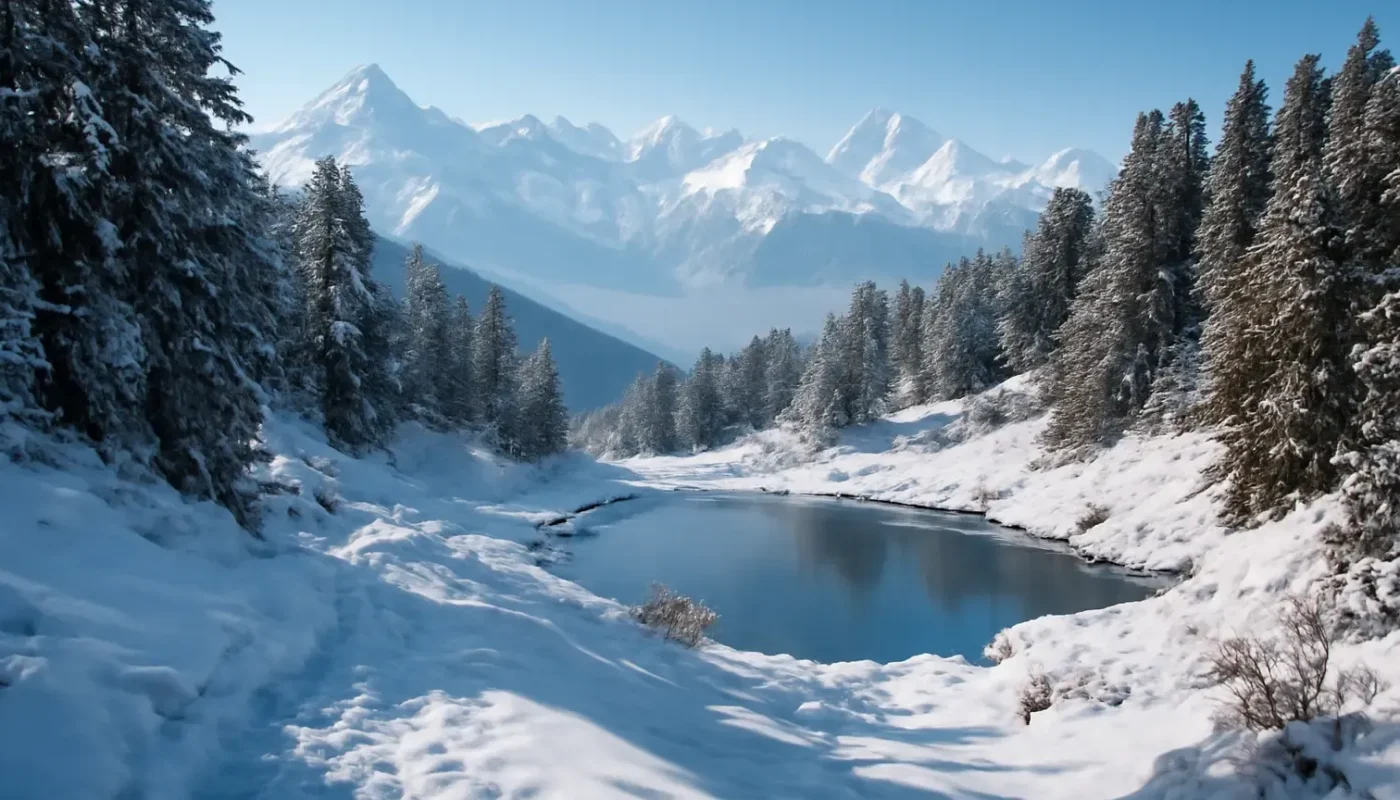
Brahmatal trek is a moderate winter Himalayan trek in Chamoli district, Uttarakhand, usually planned over five days from Rishikesh or Kathgodam via Lohajung. The route passes Bekaltal and Brahmatal Lake, with snow, forest trails and views of Mount Trishul and Nanda Ghunti. Budget approximately ₹9,000–₹16,000 per person for a group trek, excluding travel to the base. Carry layered clothing, waterproof winter trekking shoes, a headlamp and personal medicines.
Key facts at a glance
| Best time to visit | Approx. December–March for snow; November and April for quieter trails |
|---|---|
| Ideal duration | 5 days from Rishikesh to Rishikesh; longer with buffers |
| Base village | Lohajung, Chamoli district, Uttarakhand |
| Nearest airport | Jolly Grant Airport, Dehradun; approx. 250–280 km by road |
| Nearest railway station | Kathgodam; approx. 210–230 km by road |
| Altitude | Brahmatal area approx. 3,200–3,400 m; summit varies by route |
| Approx. trek budget | ₹9,000–₹16,000 per person, excluding travel to base |
| Permits needed | Operator/local forest permissions; confirm current rules before departure |
Brahmatal trek is a popular winter route in Chamoli district, Uttarakhand, because it combines snow-covered forests, two mountain lakes and open Himalayan viewpoints without requiring a very long expedition. A sensible five-day plan includes the road journey to Lohajung, gradual altitude gain, a summit or high-viewpoint day, and time to return safely. Route conditions, camps and summit access can change after snowfall, so treat the itinerary below as a planning framework rather than a fixed timetable.
Brahmatal Trek itinerary: the five-day route
The standard Brahmatal Trek itinerary begins at a transport hub such as Rishikesh and uses Lohajung as the roadhead. Some operators start from Kathgodam or include an extra acclimatisation night. The exact camp names may change according to snow, forest permissions and local conditions.
Day 1: Rishikesh or Kathgodam to Lohajung
Allow approximately 9–12 hours by shared vehicle or reserved taxi from Rishikesh to Lohajung, covering roughly 250–290 km depending on the starting point and road conditions. From Kathgodam, the drive is usually about 7–10 hours for approximately 210–230 km. The road follows mountain valleys and can slow considerably after rain, landslides or snowfall. Stay at a guesthouse or simple lodge in Lohajung, complete an equipment check, and avoid starting the walk late.
Day 2: Lohajung to Bekaltal camp
The first walking stage is generally about 5–7 km to Bekaltal, with a gradual climb through oak and conifer forest. The walking time is often around 4–6 hours, but snow can make the same distance slower. Bekaltal is a forest lake and camping area; water availability and the permitted camping zone should be confirmed with the local team. Keep the pace easy and learn how to use microspikes or trekking poles before the trail steepens.
Day 3: Bekaltal to Brahmatal
This stage usually covers about 5–7 km and takes approximately 4–6 hours. The trail climbs through open meadows and snowy woodland towards Brahmatal Lake, often with views of Mount Trishul and Nanda Ghunti when the weather is clear. Snow depth can hide the path, so follow the registered guide rather than taking shortcuts. Camp near the designated area and drink regularly even if cold weather reduces your sense of thirst.
Day 4: Brahmatal summit or high viewpoint and descent
The summit day typically involves an early start, a climb to the route’s high point, and a descent to a lower camp or back towards Lohajung. Depending on the itinerary and conditions, the walking distance may be 8–12 km and take 7–10 hours. The ridge can be windy, icy and exposed. Turnaround time matters more than reaching the top: a guide may shorten the route or replace the summit with a safe viewpoint after heavy snow or poor visibility.
Day 5: Return to Lohajung and onward travel
Descend to Lohajung, usually in about 3–5 hours, collect luggage and begin the road journey. A same-day transfer to Rishikesh may be possible, but it can create a tiring 10-hour-plus travel day. If your onward train or flight is important, add one buffer night in Rishikesh, Kathgodam or Dehradun rather than relying on a tight connection.
How to reach Lohajung for Brahmatal trek
For most Indian travellers, the practical approach is to reach Rishikesh, Haridwar, Kathgodam or Dehradun first and then arrange a shared vehicle or taxi. There is no railway station at Lohajung.
- By air: Jolly Grant Airport near Dehradun is the usual air option. Lohajung is approximately 250–280 km away by road, often requiring 9–12 hours in a mountain vehicle. This suits travellers flying from major Indian cities, but a road transfer on arrival can be tiring.
- By rail: Haridwar and Rishikesh are useful rail gateways from Delhi and northern India. Kathgodam railway station can be more convenient for travellers approaching through Kumaon, although the final road journey remains long. Check Indian Railways or IRCTC for current schedules rather than assuming a daily connection.
- By road: Buses and shared jeeps may connect Rishikesh or Haridwar with Garhwali towns, but direct connections to Lohajung are limited and seasonal. A reserved vehicle offers flexibility for a group, while a shared vehicle costs less but may involve waiting.
A useful Brahmatal travel guide should allow for road delays between Rishikesh, Karnaprayag, Ghat and Lohajung. Ask the operator where the vehicle will meet you, whether meals during the drive are included, and what happens if the road is blocked.
Brahmatal trek best time and winter conditions
The Brahmatal winter trek is most often chosen from December to March. December can bring the first dependable snow, January and February are generally the coldest months, and March may offer clearer days with a mix of snow and exposed trail. November and April can be quieter and less snowy, but conditions are less predictable if your priority is a fully white landscape.
| Period | Typical experience | Best suited to |
|---|---|---|
| November–early December | Cold, quieter trail; limited or patchy snow possible | Hikers prioritising fewer crowds |
| Late December–February | Strongest chance of snow; freezing nights and slower walking | Travellers specifically seeking a winter trek |
| March | Longer daylight and clearer sections; snow depends on weather | First-time trekkers wanting a slightly easier window |
| April–October | Less suitable for a snow experience; rain or monsoon issues may affect access | Flexible hikers checking current trail conditions |
There is no guarantee of snow on any departure. Wind chill, frozen water sources, fog and sudden snowfall can affect pace. Ask for the current forecast and recent trail photographs, not only promotional images, before booking.
How difficult is the Brahmatal trek?
Brahmatal trek difficulty is usually described as moderate, but winter snow makes it demanding for people who are not used to sustained uphill walking. The route’s challenge comes from altitude, cold, slippery surfaces and long summit-day hours rather than technical climbing.
Begin preparing six to eight weeks ahead with brisk walking, stairs, cycling or jogging, plus two weekly strength sessions for legs and core. Build towards walking 8–10 km comfortably while carrying a light daypack. A healthy beginner can attempt the route with a reputable guide, but fitness labels are not medical clearance. Anyone with a heart, lung, joint or altitude-related concern should consult a doctor before booking.
Is Brahmatal trek suitable for beginners?
Yes, Brahmatal trek can suit fit beginners who are comfortable with five to eight hours of mountain walking and prepared for sub-zero nights, but it is not an effortless introductory hike. Choose a fixed group with an experienced local guide, an acclimatisation-aware plan and a clear bad-weather policy.
Brahmatal Trek cost and packing list
The Brahmatal Trek cost and packing list depend on the departure city, group size, snow equipment, transport category and whether you hire a porter. As a broad planning range, an organised five-day trek from Lohajung may cost approximately ₹9,000–₹16,000 per person. This commonly includes guide support, permits arranged by the operator, camping equipment, meals on trek and shared accommodation, but inclusions differ.
| Expense | Approx. range | Notes |
|---|---|---|
| Organised trek package | ₹9,000–₹16,000 | Usually from Lohajung; confirm inclusions |
| Delhi/Rishikesh/rail travel | ₹2,000–₹8,000+ | Varies greatly by train, bus, flight and season |
| Extra night and meals | ₹800–₹2,500 per night | Depends on town and room type |
| Gear rental | ₹500–₹2,500 | Microspikes, poles, sleeping bag or jacket may be charged separately |
| Buffer money | ₹1,500–₹3,000 | For delays, local transport and snacks |
Before paying, ask whether taxes, return transport from Lohajung, porter support, forest charges, sleeping bags, gaiters, microspikes, meals on approach roads and emergency evacuation arrangements are included. Compare Brahmatal tour packages by inclusions and safety systems, not just by the lowest headline price.
What should I pack for the Brahmatal trek?
Pack for layering rather than carrying one extremely heavy jacket. Your main bag should remain manageable, and you should keep documents, medicines, water and a warm layer in a small daypack.
- Two moisture-wicking base layers, one fleece or wool mid-layer and one insulated jacket.
- Water-resistant outer shell, warm trousers, thermal bottoms, wool socks and spare socks.
- Broken-in trekking shoes with good grip; winter trekking shoes should be waterproof or paired with gaiters.
- Microspikes or traction aids, trekking poles, headlamp with spare batteries and a whistle.
- Warm cap, sun hat, neck warmer, insulated gloves and a spare light pair.
- Reusable water bottles or an insulated flask, water purification tablets and high-energy snacks.
- Sunscreen, lip balm, sunglasses with strong UV protection, personal medicines and a basic first-aid kit.
- Government photo ID, copies of emergency contacts, travel insurance details and some cash.
If you are also researching what to pack for an India trip, separate city clothing from trek clothing; cotton outfits and casual shoes are not substitutes for insulating layers and traction. Avoid new shoes, denim, heavy suitcases and single-use plastic. Pack out wrappers and follow campsite waste instructions.
Permits, accommodation and operator questions
Brahmatal permits and forest access arrangements can change according to local administration and seasonal restrictions. Operators commonly handle registrations, guide records and camping permissions, but travellers should still ask what documents are required. Carry a valid government photo ID and emergency contact details.
Accommodation is usually a basic lodge or homestay in Lohajung, tents on the trail, and sometimes a guesthouse in Wan or a nearby village if the route is adjusted. Facilities are simple: hot water may be limited, mobile connectivity can be intermittent, and electricity may depend on local supply. Be respectful of village homes, water sources and religious spaces. The route’s association with local traditions, including stories connected with Nanda Devi Raj Jat, should be approached with cultural sensitivity.
Ask an operator these questions before booking:
- What is the exact start point and does the price include Rishikesh, Kathgodam or Lohajung transfers?
- What is the guide-to-trekker ratio, and who makes the turnaround decision in bad weather?
- Are microspikes, gaiters, poles and suitable sleeping bags included or rented separately?
- What medical and evacuation support exists, and how are delays or route closures handled?
- Is the itinerary adjusted for acclimatisation, and are there rest or buffer options?
- How are waste, toilets, water refills and campsite permissions managed?
Local transport, food and practical planning
Shared mountain vehicles reduce the Brahmatal trek from Delhi budget but usually require flexibility. A private taxi is useful for four to six people travelling together, especially if arriving late or carrying rented gear. Confirm whether the vehicle is permitted on the final mountain road and whether the quoted price includes driver meals, parking and waiting time.
Expect simple Kumaoni food and North Indian staples in Lohajung and on the approach: rice, dal, roti, vegetables, tea and sometimes local dishes. Try regional foods such as bal mithai in the wider Kumaon region, but do not rely on cafés or shops on the trail for specialised dietary needs. Carry sealed, high-energy snacks and tell the operator about allergies or dietary restrictions in advance.
Keep an extra day if possible. A road delay can affect a train from Kathgodam or a flight from Dehradun, and the route may be modified after fresh snowfall. Travellers comparing Himalayan plans may also encounter very different logistics in a spiti valley road trip itinerary; Spiti’s road distances and access conditions should not be used to estimate this trek.
Safety, common mistakes and who should go
Walk slowly from the first day, keep warm before you feel cold, and tell the guide promptly about headache, unusual breathlessness, confusion, severe weakness or worsening symptoms. Do not continue upward simply to protect a booking. Descending and seeking qualified help may be the safest decision. Avoid alcohol during the trek, keep hydrated and do not wander alone in fog or snowfall.
- Do not book solely because a brochure promises guaranteed snow or a summit.
- Do not schedule a flight or important train immediately after the trek.
- Do not underestimate the road journey to Lohajung or the cold at camp.
- Do not carry cotton-heavy clothing, smooth-soled shoes or an oversized backpack.
- Do not assume mobile signal, hot showers or card payments will work in every village.
This trek suits active travellers, first-time Himalayan trekkers with preparation, and groups seeking a winter landscape without technical mountaineering. It is less suitable for people unwilling to walk for several hours in snow, those expecting hotel comfort throughout, or anyone whose doctor advises against high-altitude travel. Nearby names such as Roopkund, Nanda Ghunti and Mount Trishul may appear in route descriptions, but views depend entirely on cloud and weather.
Bottom line
A five-day Brahmatal plan works best when it treats the approach road, altitude gain and weather as seriously as the scenic lake and summit. Choose a transparent operator, budget for a buffer, prepare your legs and layering system, and verify the current route before leaving. With realistic expectations, the trek offers a compact winter introduction to Uttarakhand’s forests, snowfields and high Himalayan views.
Before you go: prices, timings, permits and road conditions change by season. Please confirm the latest details with Uttarakhand Tourism Department, Uttarakhand Forest Department, Chamoli district administration and Indian Railways and IRCTC. Last reviewed: October 2026.
Frequently Asked Questions
Is Brahmatal trek suitable for beginners?
It can suit fit beginners with preparation, a guide and realistic expectations, but winter snow, cold nights and long walking days make it more demanding than an easy hike.
What is the Brahmatal trek cost?
An organised five-day trek from Lohajung commonly costs approximately ₹9,000–₹16,000 per person, excluding travel to the base, personal gear, extra nights and optional porter charges.
How difficult is the Brahmatal trek?
The trek is generally moderate. Snow, slippery sections, altitude and a long summit day are the main challenges, so build endurance and leg strength before departure.
What should I pack for the Brahmatal trek?
Carry layered warm clothing, waterproof trekking shoes, traction aids, poles, a headlamp, gloves, sunglasses, personal medicines, water bottles and a valid photo ID.
How do I reach Lohajung for Brahmatal trek?
Reach Rishikesh, Haridwar, Kathgodam or Dehradun first, then continue by shared vehicle or taxi. The final mountain drive can take several hours and may be delayed by weather.
When is the best time for Brahmatal trek?
Late December to February usually offers the strongest chance of snow, while March often has longer daylight. Conditions vary each year, so check recent reports before booking.

Written by