Delhi to Agra Weekend Trip: A 2-Day Taj and Food Plan
A practical two-day Agra plan from Delhi covering train versus road travel, the best sightseeing order, neighbourhoods to stay in, local food, costs and timing tips.

Quick answer
A delhi to agra weekend trip works best with one night in Agra: take an early train or leave Delhi before sunrise, visit the Taj Mahal first, then Agra Fort and the old markets. Use day two for Mehtab Bagh, local food and Fatehpur Sikri if you have a late return. Trains are faster and less tiring; a car offers flexible stops but can lose time in traffic. Budget approximately ₹5,000–₹12,000 per person, excluding shopping.
Key facts at a glance
| Ideal duration | 2 days, 1 night |
|---|---|
| Distance from Delhi | Approx. 230 km by road |
| Road travel time | Approx. 4–6 hours each way |
| Nearest railway station | Agra Cantt; also Agra Fort |
| Nearest airport | Kheria Airport, Agra |
| Approx. budget | ₹5,000–₹12,000 per person |
| Best travel window | October to March; cooler mornings |
| Permits and tickets | No special permit; book monument tickets officially |
A delhi to agra weekend trip is one of North India’s easiest short breaks, but the experience depends heavily on timing. The Taj Mahal, Agra Fort, old-city food and optional Fatehpur Sikri can fit into two days if you travel early and sleep in Agra rather than attempting a rushed same-day return. This plan compares road and train travel, suggests a sensible sightseeing order, and flags the small timing mistakes that often reduce time at the monuments.
Delhi to Agra weekend trip: train or road?
Delhi and Agra are about 230 km apart by road. The Yamuna Expressway is the usual driving route, while trains connect Delhi with Agra several times a day. Your choice should depend on whether you value predictable arrival or flexibility more than door-to-door convenience.
| Option | Approx. time | Typical cost | Best for | Main trade-off |
|---|---|---|---|---|
| Train | Approx. 2–3 hours | ₹500–₹2,000 each way | Couples, families and short weekends | Station transfers and fixed departure times |
| Private car | Approx. 4–6 hours | ₹4,000–₹8,000 per car | Groups, children and flexible stops | Traffic, tolls and driver-hours |
| Bus | Approx. 4–7 hours | ₹400–₹1,500 each way | Budget travellers | Variable comfort and arrival time |
For the best road vs train decision, choose a morning train if you want to reach the monuments quickly. A car suits travellers who want to stop near Mathura, carry more luggage or add Fatehpur Sikri. Fares and journey times vary by season, weekday, traffic, train category and booking demand, so confirm details on Indian Railways or IRCTC before paying.
Delhi to Agra weekend itinerary: a realistic schedule
This Delhi Agra 2 day trip assumes one night in Agra and avoids packing every attraction into a single afternoon. If you are travelling on a weekend, start earlier than you think; queues and road congestion can be significant during pleasant winter months.
Day 1: Taj Mahal, Agra Fort and old-city food
- Early departure from Delhi: Take an early train to Agra Cantt railway station, or leave by car around 4:30–6:00 am. Hotel check-in, breakfast and transfers can take another 45–90 minutes after arrival.
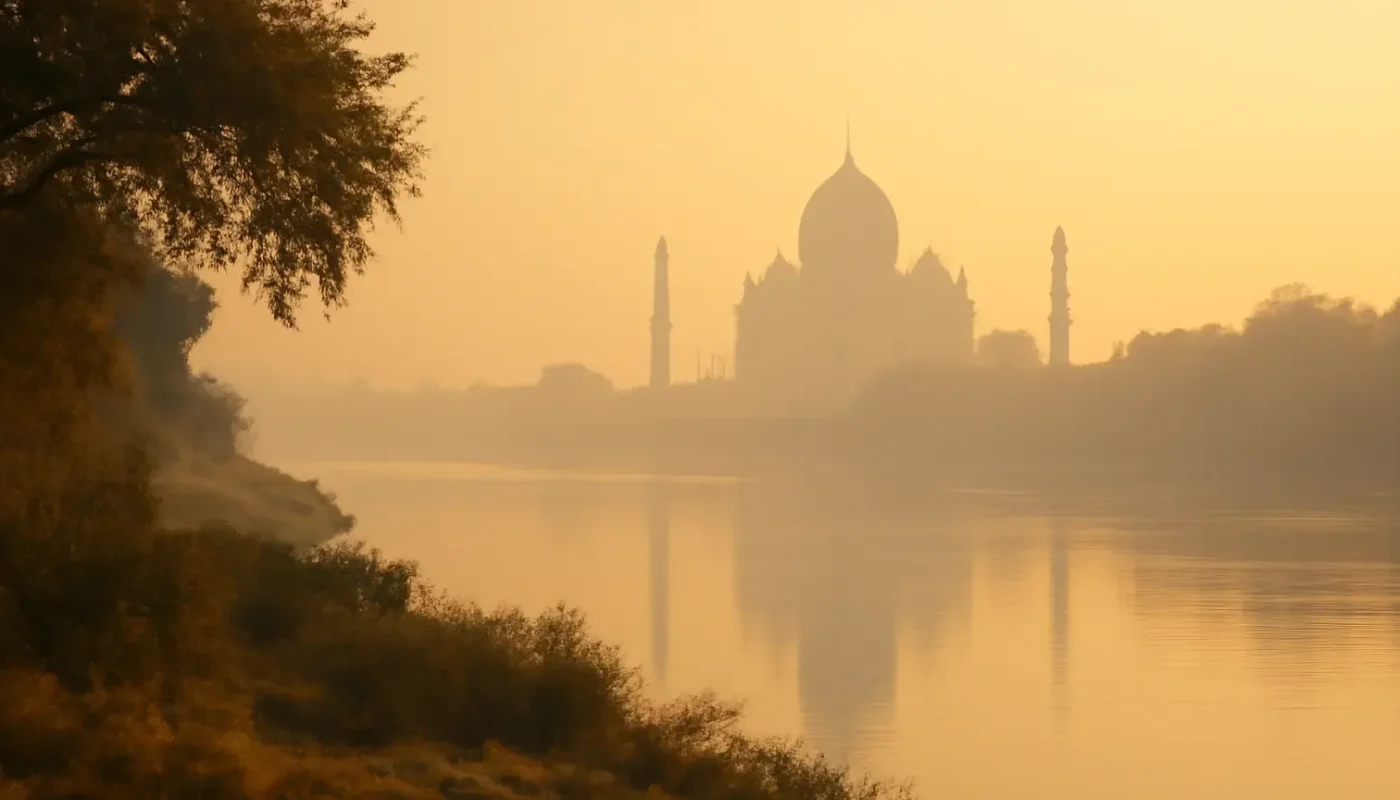
- Taj Mahal sunrise: Aim for the first available visiting slot and allow roughly two to three hours, including security, the entrance walk and photographs. Check the weekly closure and current ticket rules before travelling. The monument is generally closed on Fridays, but travellers should verify the latest arrangements with the Archaeological Survey of India.
- Breakfast and rest: Return to your hotel or choose a clean, busy restaurant near Taj East Gate Road or Sadar Bazaar. Avoid scheduling a long lunch immediately after the Taj if you have not had water or rest.
- Agra Fort: Visit in the late morning or early afternoon. Its courtyards, halls and views towards the Taj make it a logical second stop. Allow about two hours, more if you enjoy history and architecture.
- Agra food in the evening: Explore Sadar Bazaar or a reputable old-city restaurant for petha, bedai-jalebi and Mughlai dishes. Ask about ingredients if you have dietary restrictions, and prefer freshly prepared food during hot weather.
This order works because the Taj Mahal is best tackled when temperatures and crowds are lower. It also keeps the two headline monuments together, leaving the second day for a slower cultural experience rather than another early rush.
Day 2: Mehtab Bagh, crafts and an optional Fatehpur Sikri visit
- Mehtab Bagh or a relaxed morning: Cross to the northern bank of the Yamuna River for a different view of the Taj Mahal. If your return train is early, use this time for breakfast and a short market walk instead.
- Crafts and local shopping: Look for marble inlay, leather goods and textiles, but compare quality and prices. Do not feel pressured to buy at the first showroom; ask for a bill and understand return or shipping terms.
- Fatehpur Sikri option: Add this UNESCO-listed Mughal-era city only if you have a car or a late return. It is roughly 40 km from Agra and usually needs three to four hours including transfers. A train traveller should not force it into a tight schedule.
- Return to Delhi: Leave a buffer of at least two hours before a train departure if travelling by road to the station. For a late evening train, keep luggage at the hotel and have an early dinner near your accommodation.
Can I visit Fatehpur Sikri on a two-day Agra trip?
Yes, you can visit Fatehpur Sikri on a two-day Agra trip if you travel by car, start early on day two and have a late return to Delhi; otherwise, skip it for a less hurried weekend.
Best time to visit Agra and what the weather changes
The best time to visit Agra is generally October to March, when early mornings and evenings are more comfortable for walking. December and January can bring fog around Delhi and Agra, causing road delays and train disruptions, so keep your schedule flexible. Winter also brings heavier weekend demand.
- October–November: Pleasant sightseeing conditions, with fewer heat-related breaks. Diwali-period travel can mean higher fares and crowded markets.
- December–February: Comfortable afternoons but cold, foggy mornings. Carry a light jacket and check transport status before leaving your hotel.
- March–June: Hot afternoons make the Taj and Agra Fort tiring. Schedule outdoor monuments before noon and carry water, sun protection and a hat.
- July–September: Rain can interrupt walking and road plans, but the season may offer lower accommodation demand. Monsoon showers can be sudden.
During Holi and other major holidays, confirm monument operations, hotel rules and transport availability in advance. Respect local customs around religious sites and ask before photographing residents, workers or worshippers.
Where to stay in Agra for a weekend
Choosing where to stay in Agra affects both your morning departure and evening food plans. A hotel near the eastern side of the Taj is convenient for an early visit, while central areas offer more restaurants and easier access to Agra Fort.
- Taj East Gate Road and Tajganj: Best for a Taj Mahal sunrise and short morning transfers. Accommodation ranges from guesthouses to full-service hotels; check whether the property is within the vehicle-restricted zone.
- Sadar Bazaar: A practical choice for restaurants, shopping and access to the railway station. It can be busier and noisier than the Taj-side areas.
- Agra Cantonment: Useful for early rail departures and travellers prioritising transport links. It is less atmospheric for an evening walk.
- Fatehabad Road: Offers a broad choice of hotels and dining, but travel time to each attraction depends on traffic.
For a first visit, the Agra travel guide basics are simple: choose a clean property with recent reviews, confirm luggage storage and ask whether transfers are included. Where to stay in Agra should be decided around your first monument and return route, not only the room rate. Agra tour packages may include transport and guides, but compare inclusions, monument tickets and hotel location before booking.
Agra food: what to eat and where to pause
Agra food is strongly associated with Mughlai cooking and sweets, but quality varies between vendors. Try petha, a translucent ash-gourd sweet sold in several flavours, and bedai-jalebi for a heavier local breakfast. Mughlai kebabs, korma and biryani are widely available; vegetarian travellers can find dal, paneer, kachori and thali meals.
Use a busy restaurant for your first meal, then explore street food with moderation. Ask for drinking water from a sealed bottle if you are unsure about the source, and avoid food that has been sitting uncovered. The old city and Sadar Bazaar are useful for sampling local flavours, while hotel restaurants are a safer fallback for a late meal or dietary needs.
Agra trip budget and local transport
A realistic Agra trip budget for two days varies with the travel class, hotel and whether you hire a car. The following is an approximate per-person range for an Indian traveller departing from Delhi; shopping, alcohol and premium guided tours are not included.
| Expense | Budget range per person |
|---|---|
| Delhi–Agra return travel | ₹800–₹4,000 by train or bus |
| One night stay, shared room | ₹1,000–₹4,000 |
| Meals and snacks | ₹800–₹2,000 |
| Monument tickets and guide | ₹500–₹2,000 |
| Local transfers | ₹600–₹2,000 |
| Total approximate range | ₹5,000–₹12,000 |
Agra local transport includes app-based cabs where available, auto-rickshaws, e-rickshaws and pre-booked cars. Agree on a fare before starting an auto ride, and confirm whether waiting time is included. Battery vehicles and walking are practical around some monument zones, but midday heat and uneven pavements may slow families or older travellers.
Tickets, documents and practical checks
Indian citizens generally do not need a special permit for this itinerary. Carry a valid government photo ID that matches your travel booking, and keep digital and printed copies where practical. Taj Mahal tickets and entry conditions can change; use official booking channels and check the weekly closure before finalising your train.
- Check Indian Railways or IRCTC for live train times, platform information and cancellations.
- Confirm monument ticket categories, camera rules and entry gates with the Archaeological Survey of India.
- Ask your hotel about check-in, luggage storage, parking and late-night arrival.
- Keep cash for small vendors, but do not display large amounts in crowded markets.
- Use a registered guide or a reputable hotel-recommended guide, and agree on the fee and duration first.
Common timing mistakes to avoid
- Planning the Taj after breakfast: Later morning queues and heat can make the first attraction take much longer.
- Booking a same-day return too early: Delays at the Taj, lunch or Agra Fort can turn a relaxed visit into a sprint.
- Adding Fatehpur Sikri automatically: The detour is worthwhile only when your return transport leaves enough margin.
- Ignoring Friday closure checks: Build the Taj visit around the current official schedule rather than old blog advice.
- Underestimating station transfers: Agra Cantt railway station and Agra Fort station are not interchangeable for every train.
- Choosing the cheapest hotel without checking location: A low rate can be offset by repeated long auto or cab rides.
What to pack and who this weekend suits
Pack comfortable walking shoes, a reusable water bottle, sunscreen, sunglasses, a light layer for winter mornings and a compact rain jacket during monsoon months. Modest clothing is useful at religious or culturally important places, and a small day bag speeds up security checks. Travellers with mobility concerns should ask hotels about lifts, steps and vehicle access before booking; consult a doctor for personal health concerns rather than relying on a generic packing list.
This Delhi to Agra weekend trip suits first-time visitors, couples, families and history-focused travellers who want the Taj without a long holiday commitment. It is less suitable for anyone seeking a slow rural retreat or extensive photography time. Those travellers may prefer a longer Uttar Pradesh circuit, or combine Agra with Jaipur rather than squeezing in another distant destination such as Rishikesh or Kedarnath.
Bottom line
The most dependable Delhi to Agra weekend trip uses an early train, one night near the Taj or Sadar Bazaar, the Taj Mahal first, Agra Fort next and Fatehpur Sikri only when the return schedule allows it. Keep transport buffers, verify tickets and closures, and leave room for petha, bedai-jalebi and an unhurried evening meal. That balance gives you the iconic sights without turning a two-day break into a checklist.
Before you go: prices, timings, permits and road conditions change by season. Please confirm the latest details with Indian Railways and IRCTC, Archaeological Survey of India, Uttar Pradesh Tourism Department and Agra Development Authority and local administration. Last reviewed: November 2026.
Frequently Asked Questions
Is two days enough for Agra from Delhi?
Yes. Two days and one night are enough for the Taj Mahal, Agra Fort, local food and either Mehtab Bagh or Fatehpur Sikri, provided you take an early departure and avoid an overly early return.
Should I go from Delhi to Agra by train or road?
Choose the train for a quicker, more predictable journey and the road for flexible stops, family luggage or a Fatehpur Sikri detour. Compare the full door-to-door time, not only the listed travel duration.
What is the best order to visit the Taj Mahal and Agra Fort?
Visit the Taj Mahal first thing in the morning, then Agra Fort late morning or early afternoon. This usually provides cooler conditions and leaves the evening for food and markets.
Where should I stay in Agra for a weekend?
Stay near Taj East Gate Road or Tajganj for a sunrise visit, Sadar Bazaar for restaurants and shopping, or Agra Cantonment for convenient railway access. Check transfers and vehicle restrictions before booking.
How much does a Delhi Agra weekend trip cost?
An approximate budget is ₹5,000–₹12,000 per person for return travel, one shared-room night, meals, monument tickets and local transfers. Costs rise with private cars, premium hotels and guided tours.
What food should I try in Agra?
Try petha, bedai-jalebi, Mughlai dishes, kebabs, kachori and vegetarian thali. Choose busy, clean establishments, ask about ingredients and use sealed drinking water if unsure about the supply.

Written by