Darjeeling in Winter: Weather, Crowds and What to Pack
Planning Darjeeling in winter? Use this practical guide to understand December weather, sightseeing conditions, sunrise viewpoints, transport, crowds and the clothes you actually need.

Quick answer
Darjeeling in winter is crisp, scenic and quieter outside the Christmas–New Year peak. Expect daytime temperatures of approximately 8–15°C and nights around 2–8°C, with colder conditions at Tiger Hill and Ghoom. Clear mornings can offer excellent Kanchenjunga views, although clouds may cancel sunrise plans. Pack layered woollens, a windproof jacket, gloves, sturdy shoes and sun protection. Allow roughly three to four hours by road from Bagdogra or New Jalpaiguri, depending on traffic and weather.
Key facts at a glance
| Best winter months | November to February; clearest mornings often in December–January |
|---|---|
| Temperature | Approx. 8–15°C by day and 2–8°C at night |
| Ideal duration | 3–4 days for Darjeeling; 5–6 with nearby towns |
| Nearest airport | Bagdogra Airport, approx. 70 km; 3–4.5 hours by road |
| Nearest major railway station | New Jalpaiguri, approx. 70–75 km; 3–4.5 hours by road |
| Typical mid-range budget | Approx. ₹3,500–₹7,500 per person per day, excluding flights |
| Altitude | Darjeeling town is approx. 2,050 m above sea level |
| Permits | No special permit for town sightseeing; protected areas may require permits |
Why visit Darjeeling in winter?
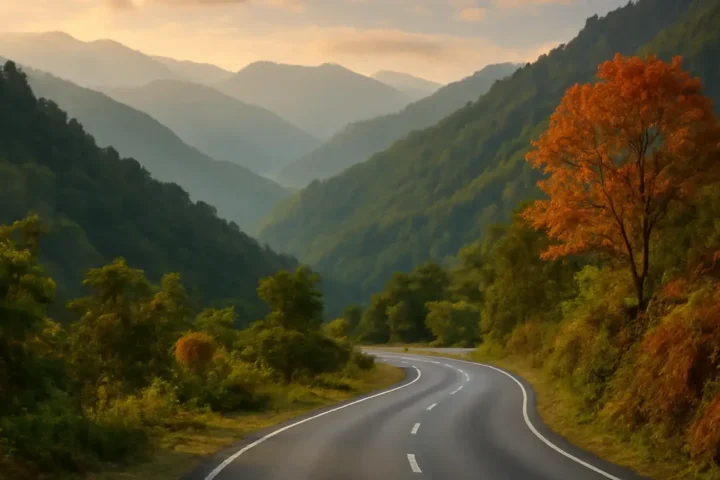
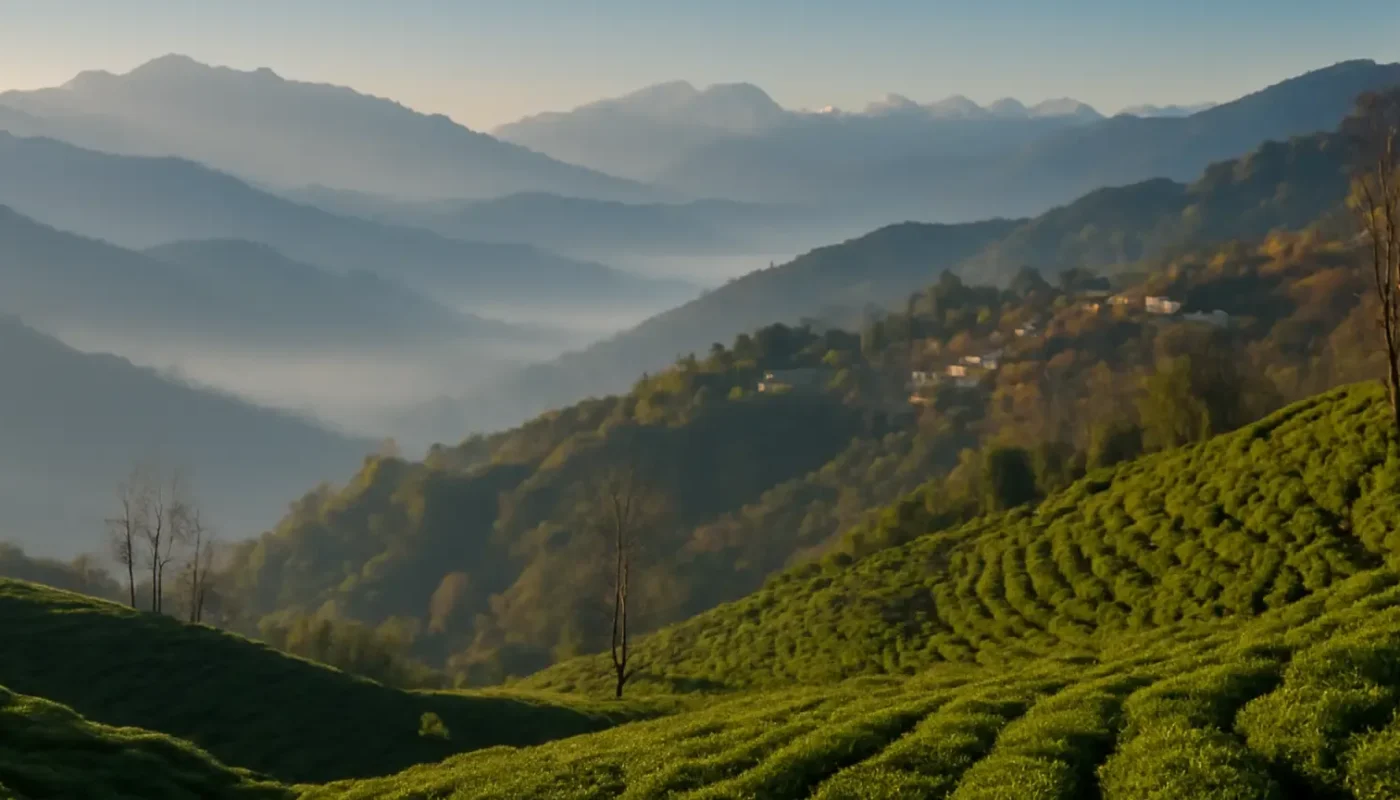
Winter is a rewarding season for travellers who prefer cool weather, mountain light and a less hectic hill-station experience. Darjeeling town sits at approximately 2,050 metres in West Bengal, so the air feels noticeably colder than the plains, particularly after sunset and before sunrise. Tea gardens turn quiet, roads can be misty, and clear mornings may reveal striking views of Kanchenjunga.
For packages, routes and FAQs in one place, see our Darjeeling travel guide.
The main trade-off is that winter weather is not guaranteed to be clear all day. Clouds can gather around the ridges, and a sunrise viewpoint may be cold and disappointing if visibility closes in. December usually becomes busier around Christmas and New Year, while January and February can feel calmer on weekdays. Book accommodation and transfers earlier for weekends, holidays and school breaks.
| Travel period | Typical conditions | Crowds and best suited to |
|---|---|---|
| November | Approx. 10–18°C days; 5–10°C nights | Comfortable sightseeing and families wanting milder weather |
| December | Approx. 8–15°C days; 2–8°C nights | Festive atmosphere, clear-sky chances and popular holiday travel |
| January | Approx. 7–14°C days; 1–7°C nights | Cold mornings, quieter weekdays and photography |
| February | Approx. 9–16°C days; 3–9°C nights | Cool-weather trips with slightly longer-feeling days |
These are planning ranges rather than a forecast. Actual temperatures vary with altitude, cloud cover and wind. Snow in Darjeeling town is uncommon, so do not plan the trip around snowfall.
How to reach Darjeeling in winter
By air
Bagdogra Airport is the most practical airport for Darjeeling. The road journey to town is approximately 70 km and generally takes about three to four and a half hours. Traffic near Siliguri, road repairs, fog and holiday demand can extend the journey. Shared jeeps are usually cheaper, while a reserved taxi suits families, groups and travellers carrying winter luggage.
If you are comparing how to reach Darjeeling from Bagdogra, schedule a daytime transfer where possible. Confirm the pickup point and final fare before leaving the airport; prices vary by vehicle size, season and negotiation.
By rail
New Jalpaiguri, commonly called NJP, is the main broad-gauge railhead for Darjeeling. It is approximately 70–75 km away, with a usual road transfer of about three to four and a half hours. A New Jalpaiguri to Darjeeling taxi can be reserved privately, or travellers can use a shared jeep.
The Darjeeling Himalayan Railway, popularly known as the toy train, offers a memorable heritage journey. A Darjeeling toy train winter journey is slower than a direct road transfer, and services can vary by season, maintenance and operational conditions. Check current availability with Indian Railways or IRCTC before building your itinerary around it.
By road
Darjeeling connects to Siliguri, Kurseong and other hill towns by winding mountain roads. Travellers arriving from Sikkim should allow extra buffer time because mountain routes and weather can change travel times.
Winter sightseeing and a practical itinerary
Day 1: Arrive, settle in and explore the centre
Reach Darjeeling by afternoon if possible and keep the first day light. Walk along Mall Road and Chowrasta, browse local shops and stop for tea or a warm meal. Keep the evening flexible rather than attempting a long sightseeing circuit after a road journey.
Day 2: Sunrise and heritage sights
For Tiger Hill sunrise in winter, leave well before dawn and confirm the departure time and vehicle arrangements with your hotel the previous evening. The viewpoint is at a higher elevation than central Darjeeling and can feel considerably colder. Kanchenjunga views depend entirely on visibility.
On the return route, travellers commonly combine Ghoom and Batasia Loop, subject to local traffic and attraction conditions. Continue with the Himalayan Mountaineering Institute, Padmaja Naidu Himalayan Zoological Park or the Himalayan Tibet Museum, depending on opening schedules and your interests.
Day 3: Tea gardens and slower views
Choose a tea-estate visit around Darjeeling or take a half-day trip towards Happy Valley and nearby viewpoints. Tea production is seasonal, so winter is more about landscapes, processing explanations and tasting than lush plucking scenes. Ask before entering private estate areas.
Day 4: Add a nearby destination or depart
Use an extra day for Kurseong or Kalimpong only if road travel fits your plan. Travellers interested in high-altitude trekking can investigate Sandakphu and Singalila National Park separately; these are not casual day trips from Darjeeling and require route, guide, permit and weather planning. This flexible plan works well as a Darjeeling winter itinerary for a first visit.
Sunrise viewpoints and sightseeing conditions
Tiger Hill is the classic winter sunrise viewpoint, but popularity creates early-morning traffic and crowding, especially during December holidays. Ask your hotel about local vehicle restrictions, the current access arrangement and expected visibility. Ghoom is colder than many central areas, and wind at exposed viewpoints can make the perceived temperature much lower.
- Carry a thermos or buy a hot drink locally, but avoid leaving cups or wrappers at viewpoints.
- Use a headlamp or phone light carefully on dark paths.
- Keep expectations realistic: mist, cloud and haze can hide Kanchenjunga.
- Plan a warm breakfast after sunrise rather than scheduling another distant attraction immediately.
Darjeeling sightseeing in December may be affected by weekly closures, seasonal hours or maintenance interruptions. Check with the attraction, hotel or local administration shortly before visiting.
Where to stay in Darjeeling
Where to stay in Darjeeling depends on how much walking and taxi use you prefer. Chowrasta and Mall Road suit first-time visitors who want restaurants, cafés and walkable evening access. They are convenient but can be busy, and roads may not reach every property entrance.
Hotels around Observatory Hill are useful for central sightseeing, while properties around Lebong Cart Road may offer quieter views but can require more taxi use. Properties near the railway station or lower approaches can be practical for short stays. In winter, prioritise reliable hot water, room heating, blankets, power backup and clear check-in instructions over a view alone.
Local transport, costs and booking advice
Darjeeling local transport commonly includes reserved taxis, shared vehicles and walking. A taxi is practical for Tiger Hill and spread-out attractions; a shared vehicle can reduce cost but offers less flexibility. Walking works well around Chowrasta, yet the town is hilly and winter evenings become cold quickly.
As a broad planning guide, Darjeeling travel cost for a mid-range winter trip is approximately ₹3,500–₹7,500 per person per day, excluding flights and long-distance train fares. A simple breakdown is:
- Stay: approximately ₹1,200–₹3,500 per person per night when sharing a double room; holiday rates may be higher.
- Food: approximately ₹500–₹1,200 per person per day, depending on cafés and restaurants.
- Local transport: approximately ₹500–₹1,800 per person per day for shared or reserved sightseeing, depending on route and group size.
- Activities: approximately ₹200–₹1,000 per person for entry tickets, museums, railway experiences or guided visits; current charges vary.
Obtain the full taxi quote before departure and clarify whether parking, waiting, tolls and return travel are included. Reserve accommodation and transfers earlier for Christmas, New Year, weekends and public holidays.
Permits, documents and responsible travel
No special permit is normally required for ordinary sightseeing within Darjeeling town. Carry a government-issued photo ID, booking details and emergency contacts. Travellers heading towards protected or border-sensitive areas should check current requirements before departure.
A Singalila National Park permit may be part of the requirements for the park and Sandakphu route, along with local registration, vehicle rules, guides or restricted camping arrangements. Requirements and fees may change, so verify them with the park authority, local administration or an authorised local operator.
Respect monastery and temple customs, ask before photographing people, buy local tea and food from legitimate businesses, carry reusable water bottles where practical, and take waste back from viewpoints and trails.
What to pack for Darjeeling in winter
Pack for layering rather than bringing one extremely heavy jacket. Sunny afternoons can feel comfortable, while shaded lanes, early starts and hotel rooms may be cold.
- Thermal innerwear for cold mornings and nights, especially in December and January.
- Two warm mid-layers such as fleece, wool or a sweater.
- A windproof or light waterproof outer jacket.
- Warm socks, gloves, a beanie and a scarf or neck warmer.
- Comfortable walking shoes with good grip.
- Sunglasses, sunscreen and lip balm.
- A small daypack, reusable bottle, personal medicines and a power bank.
- Basic rain protection and offline copies of ID, bookings and tickets.
Altitude can affect some travellers even at Darjeeling’s elevation. Take the first day slowly, drink water and avoid overloading your schedule. Anyone with a medical condition, pregnancy or previous altitude-related concern should seek personal medical advice before travel.
Common winter mistakes to avoid
- Expecting snowfall: snow in Darjeeling town is unusual.
- Scheduling Tiger Hill too tightly: allow time for traffic, queues and a slow return.
- Booking only by view: ask about heating, hot water, stairs and road access.
- Underestimating transfer time: Bagdogra and NJP journeys can take longer during holiday traffic or poor visibility.
- Carrying only cotton clothes: layers, gloves and a windproof outer shell are more useful.
- Ignoring seasonal closures: confirm attraction, railway and park access shortly before travel.
- Overplanning nearby destinations: mountain roads make short map distances slower than they appear.
Who a Darjeeling winter trip suits
Darjeeling in winter suits couples, families, photographers, tea enthusiasts and travellers who enjoy cool weather without committing to a high-altitude expedition. It is especially good for visitors who can keep sunrise plans flexible and appreciate cafés, heritage railways, mountain viewpoints and unhurried walks.
It is less suitable for travellers seeking guaranteed snow, warm beach-like weather or a tightly timed itinerary with no allowance for road delays. For an easy first visit, choose three or four nights, stay centrally or near dependable transport, and keep one indoor or low-effort activity available each day.
Bottom line
Darjeeling in winter offers crisp mornings, possible Kanchenjunga views and a memorable hill-town atmosphere, but it rewards realistic planning. Expect approximately 2–15°C conditions across day and night, prepare for mist, book holiday travel early and confirm transport and attraction details locally. With layered clothing, flexible sunrise plans and a sensible three- to four-day itinerary, winter is one of the most atmospheric times to explore this corner of West Bengal.
Before you go: prices, timings, permits and road conditions change by season. Please confirm the latest details with West Bengal Tourism Department, Darjeeling district administration, Indian Railways and IRCTC and Bagdogra Airport authorities and airline advisories. Last reviewed: October 2026.
Frequently Asked Questions
Is Darjeeling worth visiting in winter?
Yes, if you enjoy crisp weather, quiet walks, tea landscapes and the possibility of clear Kanchenjunga views. Winter is not ideal if guaranteed snowfall or warm conditions is your main goal.
What is the temperature in Darjeeling in December?
Darjeeling generally experiences approximately 8–15°C during the day and 2–8°C at night in December, though colder readings are possible at Tiger Hill and Ghoom.
What should I pack for Darjeeling in winter?
Pack thermal layers, fleece or woollen mid-layers, a windproof jacket, gloves, a beanie, warm socks, grippy walking shoes, sunglasses, sunscreen and basic medicines.
Can I see snow in Darjeeling in December?
Snow in Darjeeling town is uncommon, so it should not be treated as a guaranteed experience. Ask locally about higher routes, but check weather, road access and permits before travelling.
How many days are enough for Darjeeling in winter?
Three to four days are suitable for Darjeeling town, Tiger Hill, heritage sights and a tea-estate visit. Add two or more days for nearby destinations or a separate high-altitude trek.
Is Tiger Hill open in winter?
Tiger Hill access is generally possible in winter, but timings, vehicle arrangements, local restrictions and road conditions can change. Confirm the current position with your hotel or local administration before leaving.

Written by