Dalhousie Travel Guide: Stays, Routes and a 3-Day Plan
Plan a balanced Dalhousie holiday with practical advice on stay areas, road and rail routes, seasonal conditions, local transport, costs and a comfortable three-day itinerary.


Quick answer
This Dalhousie travel guide covers where to stay, how to reach, nearby excursions and a practical three-day route. Base yourself in Gandhi Chowk or Subhash Chowk for convenience, arrive via Pathankot by train or road, and keep one full day for Khajjiar. Add Dainkund Peak or Kalatop according to weather and fitness. Spring and autumn offer the clearest balance of views and comfortable walks; winter suits snow seekers, while monsoon needs flexible road plans.
Key facts at a glance
| Ideal duration | 3 days; 4–5 for a slower trip |
|---|---|
| Best time to visit | March–June and September–November |
| Nearest airport | Kangra Airport, approx. 125–140 km |
| Nearest railway station | Pathankot, approx. 80–90 km |
| How to reach | Train to Pathankot, then taxi or bus |
| Approx. budget | ₹8,000–₹18,000 per person, excluding trains |
| Altitude | Approx. 1,970 m; Dainkund is higher |
| Permits needed | Usually none for town and standard sightseeing |
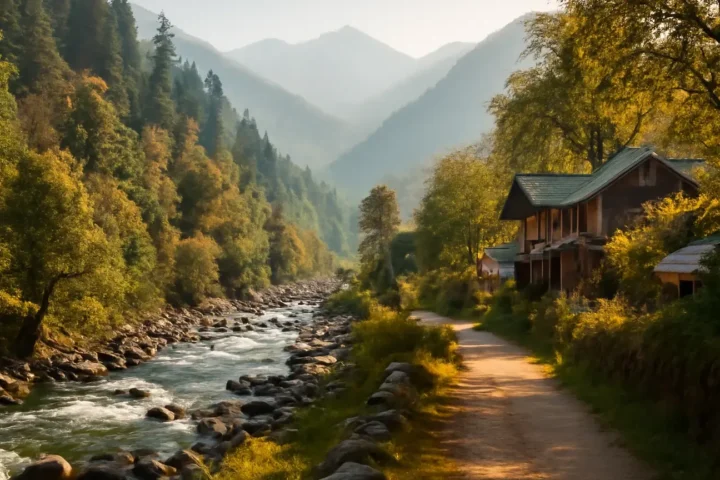
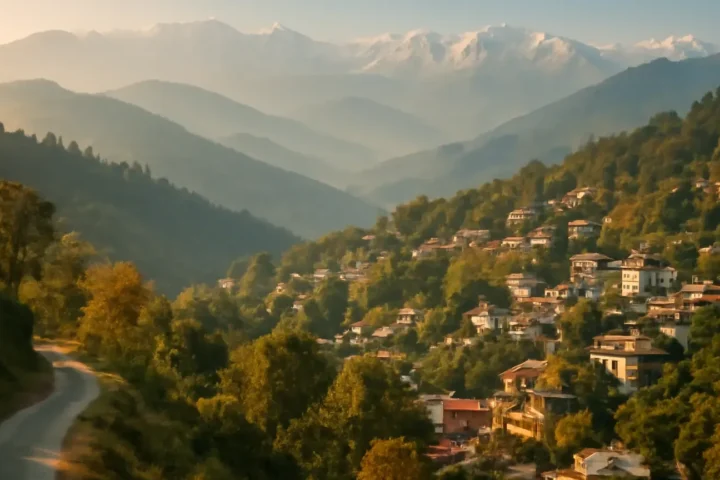
A well-planned Dalhousie travel guide should balance mountain views with the realities of hill travel: winding roads, changing weather and limited time. Dalhousie is a compact hill station in Chamba district, Himachal Pradesh, with colonial-era neighbourhoods, pine forests and access to Khajjiar, Kalatop and Dainkund Peak. Three days are enough for a first visit if you group sights by direction rather than trying to cover every viewpoint. This Dalhousie trip guide is designed for couples, families and small groups travelling from Indian cities. Check the latest Dalhousie weather before leaving, particularly during the monsoon and winter.
Dalhousie travel guide: how to reach by air, rail and road
The most practical gateway is Pathankot, in Punjab. For travellers researching how to reach Dalhousie, Pathankot railway station or the nearby bus stand is approximately 80–90 km away and usually takes around 3–4.5 hours by road, depending on traffic, weather and stops. The final approach has bends, so travellers prone to motion sickness should sit near the front and carry suitable precautions.
- By train: Pathankot is the most useful railhead for travellers from Delhi, Amritsar, Chandigarh and other north Indian cities. Check current availability and running times on Indian Railways or IRCTC. A reserved train followed by a pre-booked taxi suits families and travellers with luggage.
- By air: Kangra Airport near Gaggal is approximately 125–140 km from Dalhousie, generally a 4–5.5-hour road journey. Flights can be limited or weather-sensitive, so this option is best when airfares and connections work for your dates. Chandigarh Airport is farther, approximately 330–350 km by road, but can offer more flight choices.
- By road: From Delhi, the road distance is approximately 560–590 km and the journey can take 11–14 hours without a long halt. An overnight bus may reduce hotel-night costs, but a daytime transfer is more comfortable for families and allows a safer arrival in daylight. From Dharamshala, allow approximately 120–145 km and 4.5–6 hours; the route is scenic but not a quick local transfer.
| Route | Approx. distance and time | Best suited to |
|---|---|---|
| Pathankot to Dalhousie | 80–90 km; 3–4.5 hours | Most rail travellers |
| Kangra Airport to Dalhousie | 125–140 km; 4–5.5 hours | Travellers finding convenient flights |
| Delhi to Dalhousie | 560–590 km; 11–14 hours by road | Road-trip groups with a flexible schedule |
| Dharamshala to Dalhousie | 120–145 km; 4.5–6 hours | Travellers combining both hill stations |
Where to stay in Dalhousie: areas and trade-offs
Choosing where to stay in Dalhousie makes more difference than selecting a hotel with the most dramatic photograph. Gandhi Chowk and Subhash Chowk are convenient for first-time visitors because restaurants, shops, taxis and several walking routes are nearby. Expect more traffic and activity than in the quieter outskirts. Hotels around Mall Road can be practical, but confirm how far vehicles can actually approach; some properties require walking with bags.
- Gandhi Chowk: Best for central access, restaurants and travellers who prefer to arrange taxis locally. It is suitable for short stays and families wanting convenience.
- Subhash Chowk: A good all-round base with access to churches, viewpoints and town facilities. It often works well for couples and first-time visitors.
- Banikhet: Located before the main town, Banikhet can offer larger properties and easier vehicle access, sometimes at a lower rate. It suits road-trippers but adds commuting time for walks and evening meals.
- Khajjiar: Stay here for forests, meadow views and a slower atmosphere rather than nightlife or town convenience. Roads and dining choices are more limited, especially outside peak months.
Room prices vary sharply by weekends, school holidays, snow conditions and views. A sensible planning range is approximately ₹1,800–₹3,500 per night for a basic double room, ₹3,500–₹7,500 for a comfortable mid-range room and ₹8,000 or more for premium properties. Confirm heating, hot-water timings, parking, generator backup and cancellation terms before paying. Travellers comparing Dalhousie tour packages should check whether transfers, meals and Khajjiar are included rather than comparing only the headline price.
Best time to visit Dalhousie by season
The best time to visit Dalhousie depends on whether you want clear walks, green landscapes or a chance of snow. Weather can change within hours at hill elevations, and road conditions may alter plans.
| Season | What to expect | Who it suits |
|---|---|---|
| March–June | Comfortable daytime sightseeing, greener forests and busy weekends | Families, first-time visitors and walkers |
| July–August | Monsoon greenery, rain, possible landslides and slower roads | Flexible travellers with buffer time |
| September–November | Clearer skies, pleasant walks and cooler evenings | Photographers, couples and hikers |
| December–February | Cold weather and possible snowfall; services can be weather-dependent | Snow seekers prepared for limited access |
For most travellers, March to June and September to November offer the best balance. July and August can be rewarding but are not ideal for a tightly timed itinerary. In winter, confirm road access and hotel heating shortly before departure. The Minjar Fair in Chamba is a culturally important local event, but dates vary; check the official calendar rather than planning around an assumed date.
Dalhousie itinerary 3 days: a realistic plan
This Dalhousie travel plan keeps one main excursion per day and leaves room for traffic, meals and weather changes. Hire a local taxi for a full sightseeing day after confirming the route and waiting charges in writing.
Day 1: Town, churches and forest walks
Arrive, check in and keep the first afternoon light. Walk around Gandhi Chowk and Subhash Chowk, then visit St John’s Church and St Francis Church if open. Continue towards Panchpula or Satdhara Springs for a short nature outing, subject to road and maintenance conditions. Return before dark, especially if walking on unfamiliar forest roads. Keep the evening for a simple Himachali meal such as rajma madra, chana madra or sidu where available.
Day 2: Khajjiar and Kalatop
Start for Khajjiar for a full Khajjiar day trip, approximately 22–25 km from Dalhousie and commonly a 1–1.5-hour drive each way, though traffic and road work can extend this. Spend time around the meadow, avoid feeding animals and follow local guidance near forested areas. On the way or return journey, consider Kalatop Khajjiar Wildlife Sanctuary if the access road, weather and vehicle permissions allow. A forest walk is more enjoyable with proper shoes than with a rushed list of viewpoints. Khajjiar is worth visiting from Dalhousie for its open meadow and forest setting, but expectations should be realistic: it is a day excursion, not an alpine wilderness experience.
Day 3: Dainkund Peak and a flexible afternoon
Visit Dainkund Peak early if skies are clear. The approach involves a drive and a walk, with an altitude higher than Dalhousie and exposed, chilly sections. Allow approximately 2–3 hours for the outing, longer if you take breaks. This short Dainkund Peak trek is best attempted in shoes with reliable grip and only when visibility is suitable. After returning, choose a relaxed afternoon in town, shop for local handicrafts such as a Chamba rumal, or visit a viewpoint rather than adding another distant drive. If rain, snow or poor visibility affects Dainkund, substitute a shorter town walk or a Chamba excursion only if your departure is not the same day.
Things to do in Dalhousie and nearby day trips
Beyond the standard circuit, travellers can choose experiences according to energy and time. Chamba town, in the broader Chamba Valley, is approximately 50–55 km from Dalhousie and usually requires around 2–3 hours by road each way. It is better as a dedicated day trip than an addition to Khajjiar. The town offers temples, local markets and views towards the Ravi River, but check opening practices and dress respectfully at religious sites.
Short walks around the town’s wooded lanes are free or low-cost, while guided hikes should be booked through a reputable local operator. Dainkund Peak is the stronger choice for open mountain views; Kalatop is better for a forest atmosphere. Do not assume every trail is marked or safe in fog. Ask the hotel or local administration about current conditions before setting out.
Dalhousie budget, local transport and booking notes
A three-day trip from Delhi by train and road can cost approximately ₹8,000–₹18,000 per person, excluding train fares, for two people sharing a room. The lower end assumes basic accommodation, shared transfers and modest meals; the upper end allows mid-range stays, private taxi sightseeing and more flexible dining. Add more for flights, premium hotels, long-distance private cabs or peak-season weekends.
- Accommodation: approximately ₹1,800–₹7,500 per room per night across basic and mid-range categories.
- Food: approximately ₹500–₹1,200 per person per day for simple cafés and local restaurants; hotel meals may cost more.
- Local taxi: approximately ₹2,500–₹5,500 for a sightseeing day, depending on vehicle, season, route and waiting time.
- Local transport: buses are cheaper but less flexible for Khajjiar and Dainkund. Private taxis suit families and short trips; shared cabs can reduce cost where available.
- Activities and entry: keep a small buffer for sanctuary, parking, guide or local entry charges. Fees and rules change by season.
Book accommodation early for summer, long weekends and snowfall periods. Ask whether the quoted taxi includes fuel, parking, driver allowance and return transfer. Avoid accepting a very low price without confirming the vehicle type and itinerary.
Permits, documents, safety and what to pack
Most visitors do not need special permits for Dalhousie town, Khajjiar or ordinary sightseeing. However, forest access, parking rules, commercial photography and sanctuary entry can be regulated. Carry a government photo ID, booking confirmations, emergency contacts and digital as well as offline copies of important documents. Check the local administration and wildlife authority before visiting protected areas.
At approximately 1,970 metres, Dalhousie is not an extreme-altitude destination, but visitors unused to hills may still feel tired during steep walks. Dainkund is higher and more exposed. Pace yourself, drink water and consult a doctor before travel if you have a medical condition or concerns about altitude. Keep children close near slopes and never walk on poorly lit roads after dark.
- Pack layered clothing, a light rain jacket, warm socks and shoes with reliable grip.
- Carry sunscreen, sunglasses, a reusable water bottle, basic medicines and motion-sickness precautions if needed.
- In winter, add thermal layers, gloves and a warm cap; do not rely only on hotel-provided heating.
- Keep cash for small cafés, parking and local transport, while retaining a power bank because connectivity and electricity can vary.
- Respect village spaces, avoid littering, ask before photographing residents and follow temple customs.
Common planning mistakes to avoid
The most common mistake is treating Dalhousie as a flat, compact city. Distances look short on a map but roads are slow. Do not schedule Khajjiar, Chamba and a late-night departure on the same day. Another error is choosing a remote hotel solely for its view without checking road access, heating and meal arrangements.
Keep at least half a day of flexibility during monsoon and winter. Do not depend on a single taxi or flight connection when a missed road transfer would affect a train. Travellers who want a quieter break should avoid peak weekend crowds, while families with young children should prioritise vehicle access and shorter walks over a packed sightseeing list.
Who this Dalhousie trip guide suits
Dalhousie works well for a first Himalayan holiday, a relaxed couple’s break, a family trip and travellers combining it with Dharamshala or Amritsar. It is less suitable for visitors seeking nightlife, extensive public transport or high-adrenaline activities within town. A four- or five-day stay makes sense if you want Chamba, longer walks or a slow schedule. For a short holiday, the best approach is one town day, one Khajjiar day and one weather-dependent high viewpoint.
Bottom line
Base yourself near Gandhi Chowk or Subhash Chowk unless you specifically want the quiet of Khajjiar or the easier parking of Banikhet. Reach via Pathankot when possible, reserve a full day for Khajjiar, and keep Dainkund flexible. With realistic driving times, layered clothing and a small weather buffer, Dalhousie delivers a comfortable mountain break without turning every day into a rushed transfer.
Before you go: prices, timings, permits and road conditions change by season. Please confirm the latest details with Himachal Pradesh Tourism Department, Indian Railways and IRCTC, Kangra Airport and Pathankot railway station authorities and local bus operators. Last reviewed: November 2026.
Frequently Asked Questions
How many days are enough for Dalhousie?
Three full days are enough for a first Dalhousie visit: one day for town, one for Khajjiar and Kalatop, and one for Dainkund or a flexible local outing. Stay four to five days if you also want Chamba or slower walks.
What is the best way to reach Dalhousie from Delhi?
The most practical route is usually a train from Delhi to Pathankot followed by a taxi or bus for the approximately 80–90 km hill transfer. A direct road journey is possible but typically takes around 11–14 hours.
Is Khajjiar worth visiting from Dalhousie?
Yes, Khajjiar is worth visiting for its meadow, cedar forests and relaxed day-trip setting. It is approximately 22–25 km from Dalhousie, but allow extra time because the winding road can be slow.
Which area is best to stay in Dalhousie?
Gandhi Chowk and Subhash Chowk are best for first-time visitors who want restaurants, taxis and central access. Banikhet suits road-trippers seeking easier vehicle access, while Khajjiar suits travellers wanting a quieter nature stay.
What is the best month to visit Dalhousie?
April to June and October to November are generally comfortable for sightseeing and walks. September can also be pleasant after the monsoon, while December to February suits travellers prepared for cold and possible snow-related changes.
How much does a three-day Dalhousie trip cost?
A three-day trip can cost approximately ₹8,000–₹18,000 per person excluding train fares, depending on room category, meals, taxi use and season. Flights, premium hotels and peak weekends increase the total.

Written by