Lakshadweep Beaches: Which Islands Suit Swimming and Snorkelling
Compare Lakshadweep beaches by swimming conditions, snorkelling, reef visibility, stay style, access and permit planning so you can choose the right island.

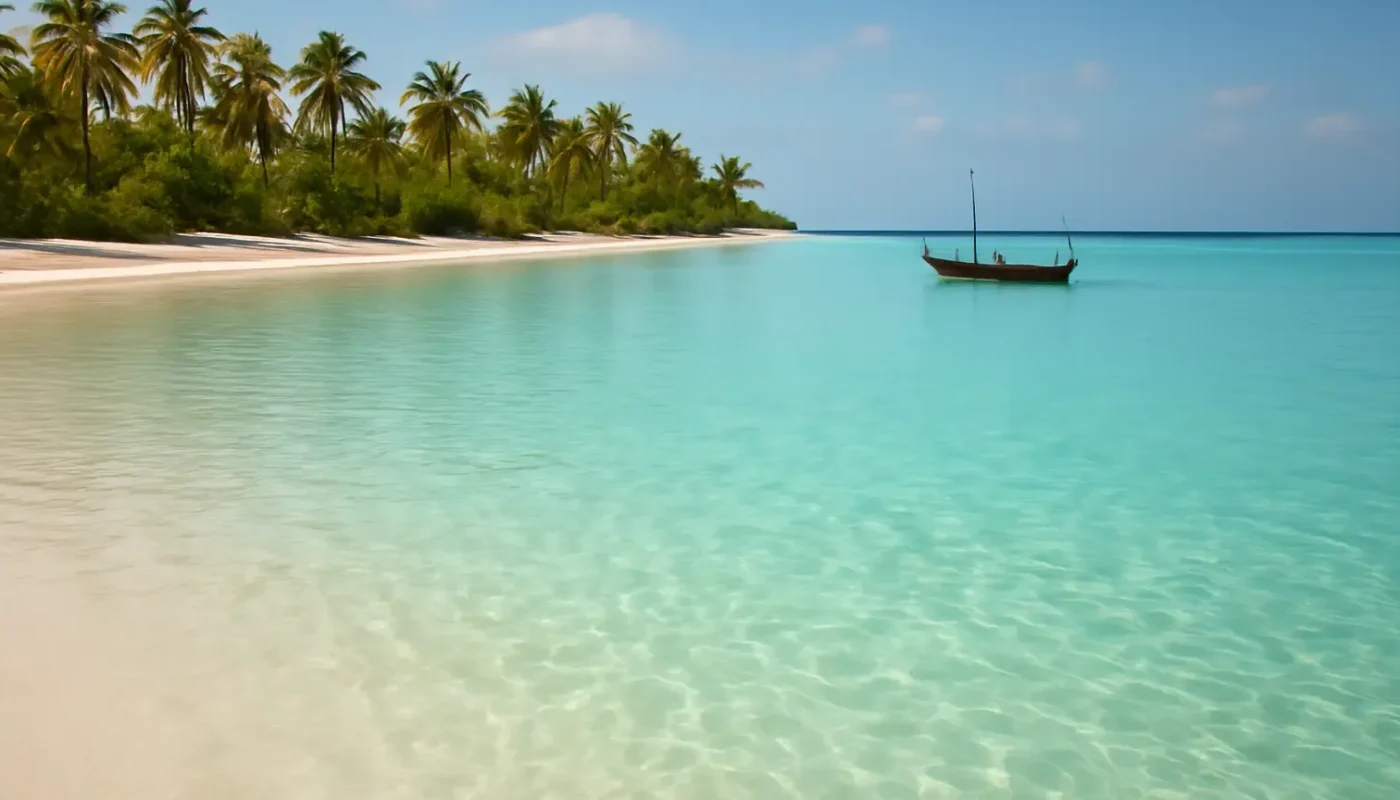
Quick answer
Lakshadweep beaches suit different travellers: Agatti and Kavaratti are practical for clear lagoons and easy swimming, Kadmat is strong for snorkelling and water sports, while Bangaram offers a quieter resort-style escape. Kalpeni suits lagoon swimming and sandbanks, and Minicoy works best for longer, culture-focused trips. All visits require advance entry-permit planning, and inter-island movement depends on approved packages, boats, weather and seasonal schedules.
Key facts at a glance
| Best time to visit | Approx. October to May; calmer seas often December–April |
|---|---|
| Ideal duration | Approx. 4–7 nights for one or two islands |
| Nearest airport | Agatti Airport; flights usually connect via Kochi |
| Nearest railway station | Ernakulam Junction, Kochi |
| How to reach | Flight or approved ship package from Kochi |
| Approx. budget | ₹35,000–₹1,00,000+ per person, excluding some flights |
| Permits needed | Yes; entry permission and island approvals are required |
| Best island match | Kadmat for snorkelling; Agatti or Kavaratti for swimming |
Lakshadweep beaches are not one uniform experience. A shallow turquoise lagoon at Agatti feels very different from a secluded resort shore at Bangaram or the broad reef environment around Kadmat. The right choice depends on whether you want easy swimming, guided snorkelling, diving, a package resort, a government guest house or a slower community-based stay.
For Indian travellers, the most important practical point is that Lakshadweep is a regulated island destination. An entry permit, an approved booking route and weather-dependent island transfers must be arranged before arrival. Do not assume that a flight to Agatti automatically gives access to every island. Check the permitted itinerary, accommodation, transfers and cancellation rules together.
Lakshadweep beaches compared: which island fits your trip?
The following comparison is a planning guide, not a guarantee of daily sea conditions. Wind, tides, rainfall, visibility and local operating permissions can change the experience.
| Island | Best for | Swimming and reef experience | Stay format and access note |
|---|---|---|---|
| Agatti | First-time visitors and easy logistics | Clear lagoon areas and generally accessible swimming; snorkelling varies by site | Hotels, resorts and guest-house-style options; main air gateway |
| Kavaratti | Lagoon swimming, local life and water activities | Calm shallow water in suitable sections; guided reef trips are preferable | Guest houses and tourism accommodation; no commercial airport |
| Kadmat | Snorkelling, diving and water sports | Long lagoon, coral gardens and good guided activity potential in clear weather | Tourism resort or package stay; transfer must be confirmed |
| Bangaram | Quiet, scenic beach retreat | Excellent-looking lagoon and reef surroundings; swimming zones depend on conditions | Secluded resort-style format; limited services and tightly planned access |
| Kalpeni | Lagoon scenery and relaxed beach time | Shallow lagoon and sandbank experiences; snorkelling is site and tide dependent | Limited accommodation; package and boat arrangements matter |
| Minicoy | Culture, longer stays and southern-island character | Lagoon activities and reef excursions, subject to local conditions | Separate-feeling itinerary with fewer quick connections |
Which Lakshadweep island is best for swimming?
Agatti or Kavaratti is usually the easiest choice for swimming because both offer accessible lagoon areas and practical support, although the safest bathing spot changes with tide, wind and local advice. Choose Kadmat if swimming is secondary to snorkelling and water sports, and Bangaram if you want scenery and solitude rather than frequent activities.
Is Lakshadweep good for snorkelling?
Yes, Lakshadweep is good for snorkelling when the sea is calm and visibility is clear, with Kadmat, Bangaram, Agatti and Kavaratti offering popular guided sites. Reef conditions are not identical every day, so use an authorised boat or activity operator, avoid standing on coral and do not touch marine life.
How to reach Lakshadweep: flights, ships and island transfers
How do you reach Lakshadweep from Kochi?
You usually reach Lakshadweep from the Kochi gateway by taking a flight to Agatti Airport or joining an approved passenger ship itinerary. Air travel is faster and generally better for a short Lakshadweep beach holiday; ships can be useful for travellers who prefer a slower journey, but sailing duration and availability vary by vessel, season and sea conditions.
For rail travellers, Ernakulam Junction is the practical railway reference point for reaching Kochi. From the railway station or airport, allow buffer time for the designated departure point and any reporting formalities. There is no road bridge or mainland ferry that lets visitors drive directly to the islands.
- Agatti Airport: The main air entry point for many itineraries, with onward boat transfers arranged through the approved booking channel.
- Kochi by air or rail: Reach Kochi first, then follow the confirmed flight or ship schedule. Indian Railways and airline timings can change.
- Island transfers: Boats between Agatti, Kavaratti, Bangaram, Kadmat, Kalpeni and Minicoy are not an independent hop-on service. Confirm every sector in writing.
- Weather buffer: Keep at least one flexible day when your return flight, ship or onward train is important.
For a wider planning framework, use a current Lakshadweep travel guide alongside your confirmed operator itinerary. Package names can sound similar while covering different islands, nights and transfer arrangements.
Best season for Lakshadweep beaches and reef visibility
The broad travel window is approximately October to May, but the best month depends on your priority. December to April often brings more attractive conditions for lagoon swimming, snorkelling and boat trips, while January to March can be particularly comfortable for outdoor activity. Sea conditions can still change quickly, and visibility is never guaranteed.
| Period | What to expect | Who it suits |
|---|---|---|
| October–November | Season transition; improving conditions, occasional weather disruption | Flexible travellers seeking fewer peak-season crowds |
| December–February | Popular holiday period; often favourable for lagoon activities | First-time visitors and families, subject to availability |
| March–May | Warm conditions; generally useful for water activities, with changing heat and wind | Snorkelling, diving and beach-focused trips |
| June–September | Monsoon influence, rougher seas and more limited transport or activity options | Only travellers with confirmed seasonal operations and flexible plans |
October 2026 travellers should check the latest operating calendar rather than relying on a previous year’s dates. Visibility depends on plankton, rain, wind and boat-site conditions. A blue lagoon from the beach does not necessarily mean excellent visibility at the reef.
Stay formats, activities and what each island does well
Agatti is a useful introduction because it combines the airport, lagoon scenery and a selection of resort or guest-house-style stays. It suits travellers who want a relatively straightforward first visit, couples who prefer a compact itinerary and families who do not want several boat changes.
Kavaratti Island, the administrative capital, combines beaches and lagoons with a more settled local environment. It can suit visitors who want to see everyday island life along with swimming and boating. Dress modestly away from the beach, ask before photographing people and follow local guidance around residential and religious spaces.
Kadmat Island is a strong activity choice. Its long sandy setting and coral reef environment support snorkelling, scuba diving and other water activities when authorised operators are running. It is better for travellers who are happy with a scheduled activity programme than for those seeking completely unstructured beach time.
Bangaram Island is the classic secluded escape: open beach, lagoon views and a resort-oriented atmosphere. It suits couples and travellers seeking quiet, but the limited service ecosystem means you should confirm meals, transfers, communications and included activities before paying.
Kalpeni Island is appealing for lagoon scenery, shallow water and sandbank-style outings. Kalpeni’s experience is more dependent on tide, boat availability and the exact accommodation arrangement than a simple beach-resort booking. Minicoy Island offers a distinct southern-island identity, lighthouse-area viewpoints and local cultural character; allow more planning time and do not treat it as a quick add-on.
Scuba diving should be booked only through a recognised operator with appropriate equipment, trained instructors and a weather-based go/no-go policy. Snorkellers should wear a buoyancy aid if advised, use reef-safe behaviour and never collect shells, coral or marine life.
Permits, documents and responsible planning
Do Indians need a permit for Lakshadweep?
Yes, Indian citizens generally need an entry permit for Lakshadweep, and the approved itinerary may also control where they can stay and travel. Apply through the authorised channel or package provider well before the intended trip, and match the permit details with your identification and booking documents.
Keep digital and printed copies of your government photo ID, permit approval, accommodation confirmation, transport tickets, emergency contacts and insurance details. Foreign nationals have additional eligibility and documentation rules, so they should verify requirements separately with official authorities.
- Check whether the quoted package includes the permit application, local transfers, meals, activity fees and return transport.
- Ask what happens if a flight or boat is delayed by weather.
- Confirm whether the booking permits independent beach access or only guided movement.
- Respect no-entry signs, protected reef areas, fishing activity and community spaces.
Reef tourism depends on healthy coral and clean lagoons. Carry reusable water containers where practical, refuse single-use plastic, use only biodegradable toiletries where requested and keep sunscreen away from the water if local operators advise it. Try local food such as tuna curry through hygienic, community-approved kitchens, and remember that Eid and other local holidays may affect services or availability.
Sample six-day Lakshadweep itinerary
A six-day plan should normally focus on one main island, or two islands only when the transfer is explicitly included and weather buffer is available.
Day 1: Kochi to Agatti
Fly from Kochi to Agatti, complete the authorised transfer and settle into your accommodation. Keep the first afternoon light because arrival procedures and boat timing may shift.
Day 2: Agatti lagoon and beach
Use the calmer part of the day for supervised swimming or a beginner snorkelling session. Leave time for a relaxed beach walk rather than filling every hour with activities.
Day 3: Reef excursion
Take a guided snorkelling or diving trip if sea conditions permit. A responsible operator should explain currents, reef etiquette, equipment and the return plan.
Day 4: Transfer or local exploration
If the permit and package include Kavaratti, Kadmat or another island, make the scheduled transfer. Otherwise, explore Agatti at a slower pace and avoid paying for an unofficial boat trip.
Day 5: Lagoon day
Reserve this day for swimming, kayaking or a sandbank excursion, with the understanding that tides and weather may change the order.
Day 6: Agatti to Kochi
Return with a generous connection buffer. Do not schedule a same-day long train journey or important international flight unless the operator and transport schedules provide a safe margin.
Costs, local transport and where to stay
How much does a Lakshadweep trip cost per person?
A five- to seven-night trip can cost approximately ₹35,000–₹1,00,000 or more per person, depending on flights, island, room type, season, meals, activities and whether transfers are bundled. Peak holiday dates and seaplane or premium resort arrangements can increase the total considerably.
- Flights: Budget approximately ₹10,000–₹35,000 or more for return mainland-island travel, depending on booking time and season.
- Accommodation and meals: Allow approximately ₹15,000–₹60,000 for a five- to seven-night package range, with large differences between guest houses and resort formats.
- Transfers: Boat sectors and local transfers may be included, partly included or charged separately; verify before comparing packages.
- Activities: Keep approximately ₹2,000–₹15,000 or more for snorkelling, diving, kayaking and boat excursions, depending on the activity.
- Contingency: Keep an additional 10–15% for weather-related changes, extra meals or a delayed return.
On the islands, transport is usually arranged by the accommodation or package operator. Walking, bicycles and short local rides may be practical, but do not expect app-based taxis or a large rental-car network. Compare Lakshadweep tour packages by inclusions, not just headline price.
What to pack and mistakes to avoid
Pack lightweight modest clothing, quick-dry swimwear, a hat, sunglasses, reef-friendly sun protection, a dry bag, reusable bottle, basic medicines, motion-sickness supplies if suitable for you, power banks and copies of documents. Carry cash in small denominations because card and network access can be inconsistent. People with medical conditions should consult a doctor before remote-island travel and carry prescribed medicines in original packaging.
- Do not book non-refundable mainland connections too close to a return boat or flight.
- Do not assume every beach is a marked swimming beach; ask staff about currents, coral and boat lanes.
- Do not stand on coral, feed fish or remove shells.
- Do not compare islands only by photographs; compare access, stay format and included transfers.
- Do not plan a multi-island route without checking the permit and weather policy.
- Do not overlook cultural etiquette in villages, markets and religious areas.
Who should choose a Lakshadweep beach holiday?
Choose Agatti for the most straightforward first visit, Kavaratti for a balance of lagoon time and local life, Kadmat for activity-led snorkelling and diving, Bangaram for a quiet resort retreat, Kalpeni for relaxed lagoon scenery and Minicoy for a longer cultural itinerary. Travellers who want nightlife, extensive road trips or spontaneous island hopping may find the regulated format restrictive. Those seeking clear water, slow mornings and nature-focused experiences are more likely to enjoy it.
Bottom line
The best beaches in Lakshadweep depend on the experience you value most. Agatti and Kavaratti are practical swimming choices, Kadmat is the stronger activity base, Bangaram is suited to seclusion, and Kalpeni or Minicoy reward travellers with more specific interests. Plan permits, flights, stays and island transfers as one linked booking, and keep your schedule flexible for the sea.
Before you go: prices, timings, permits and road conditions change by season. Please confirm the latest details with Lakshadweep Administration, Department of Tourism, Lakshadweep, Lakshadweep entry permit authority and Airports Authority of India — Agatti Airport information desk. Last reviewed: October 2026.
Frequently Asked Questions
Which Lakshadweep island is best for swimming?
Agatti and Kavaratti are usually the most practical swimming choices because their lagoons have accessible shallow sections and better visitor support. Always ask local staff about the day’s safe bathing area, tides, currents and boat movement.
Is Lakshadweep good for snorkelling?
Yes. Kadmat, Bangaram, Agatti and Kavaratti can offer good snorkelling when seas are calm and visibility is clear. Use an authorised guide, avoid touching coral and understand that reef visibility changes with weather and tide.
How do you reach Lakshadweep from Kochi?
Most travellers fly from Kochi to Agatti Airport and continue by an approved boat transfer. Some visitors use authorised passenger ship itineraries. Schedules, routes and transfer arrangements vary by season and weather.
Do Indians need a permit for Lakshadweep?
Yes, Indian citizens generally need an entry permit, and their approved itinerary may determine where they can stay or travel. Arrange it through an authorised channel and verify current requirements before booking non-refundable travel.
What is the best month for a Lakshadweep beach holiday?
December to April is often preferred for swimming, snorkelling and boat trips, although conditions vary. October and November can work for flexible travellers, while monsoon months may bring rougher seas and reduced services.
How much does a Lakshadweep trip cost per person?
A five- to seven-night trip may cost approximately ₹35,000–₹1,00,000 or more per person, depending on flights, season, accommodation, meals, activities and included island transfers.

Written by