Vaishno Devi Yatra from Delhi: Route, Costs and Darshan Tips
A practical guide to planning the Vaishno Devi yatra from Delhi, covering rail, air and road routes, Katra accommodation, trek choices, registration, seasonal weather and approximate costs.

Quick answer
Vaishno Devi yatra from Delhi is easiest by train to Katra, followed by the approximately 12–14 km uphill walk to the shrine. Flights to Jammu save time but require a road transfer to Katra; driving offers flexibility but is tiring. Keep two to four days, register through the official yatra system, reserve a Katra stay and check weather, transport and darshan rules before departure. Ponies, palkis, battery cars and helicopter services can assist eligible travellers, subject to availability and weather.
Key facts at a glance
| Ideal duration | 2–4 days, including travel |
|---|---|
| Distance from Delhi | Approx. 650–700 km by road |
| Nearest railhead | Shri Mata Vaishno Devi Katra station |
| Nearest airport | Jammu Airport, approx. 50–55 km from Katra |
| Shrine trek | Approx. 12–14 km one way from Katra |
| Approx. budget | ₹6,000–₹18,000 per person, excluding luxury stays |
| Best seasons | March–June and September–November |
| Registration | Yatra registration and ID checks are required |
A Vaishno Devi yatra from Delhi needs more planning than simply reaching Katra. The main decisions are whether to take a train, fly to Jammu or drive, where to stay in Katra, and whether every member of your group can manage the uphill route. This guide explains the practical choices for a Delhi to Vaishno Devi trip, with approximate costs and timings that can change with season, demand, weather and official advisories.
How to plan a Vaishno Devi yatra from Delhi
For most travellers, the simplest plan is an overnight train from Delhi to Katra, one night in Katra, the shrine visit on the following day and a return journey after adequate rest. Allow three days if travelling by rail, two or three days if flying, and at least four days for a road trip with comfortable breaks.
The shrine is in the Trikuta Hills near Katra in Reasi district, Jammu and Kashmir. Katra is the base town for the pilgrimage. The final route is pedestrianised for much of its length, so a vehicle cannot take you directly to the Bhawan. Carry a valid photo ID and keep digital and printed copies of bookings where possible.
- Best for first-time pilgrims: train to Katra, a central hotel and a planned overnight rest.
- Best for limited time: flight to Jammu followed by a pre-booked taxi.
- Best for flexible groups: road travel, provided the driver is comfortable with a long hill-bound journey.
Vaishno Devi route from Delhi: train, flight or road?
| Option | Approx. travel time | Approx. one-way cost | Who it suits |
|---|---|---|---|
| Train to Katra | Approx. 10–14 hours | ₹500–₹3,500 depending on class and demand | Most travellers and families |
| Flight to Jammu plus taxi | Approx. 4–7 hours including transfer | ₹4,000–₹12,000 or more | Short breaks and older travellers |
| Private car or taxi | Approx. 12–16 hours of driving | ₹10,000–₹20,000 per vehicle | Groups wanting door-to-door flexibility |
Always confirm the current timetable and fare with Indian Railways or IRCTC. The most convenient railhead is Shri Mata Vaishno Devi Katra railway station. Some services terminate at Jammu Tawi railway station, from where Katra is roughly 50–55 km away by road. Shared taxis, buses and private cabs operate between Jammu and Katra, but journey times can increase during festivals or traffic restrictions.
Flying means reaching Jammu Airport, also called Satwari Airport, followed by an approximate 50–55 km road transfer to Katra. A pre-arranged taxi is more predictable than negotiating after arrival, especially for families carrying luggage. Airfares rise sharply around Navratri, school holidays and weekends, so compare the complete cost with a train berth before booking.
By road, the usual Delhi route follows the northern highway corridor via Panipat, Ludhiana, Jalandhar, Pathankot and Jammu before Katra. The road distance is approximately 650–700 km, but the drive can take 12–16 hours depending on stops, traffic and weather. Break the journey at a suitable highway town instead of attempting an exhausting continuous drive.
What is the best way to travel from Delhi to Vaishno Devi?
The best option for most people is a confirmed train to Katra because it balances cost, comfort and direct access to the pilgrimage base. Choose a flight if time is more important than price, and choose a car for a group that values flexibility over a long driving day.
Vaishno Devi trek distance, assisted options and darshan
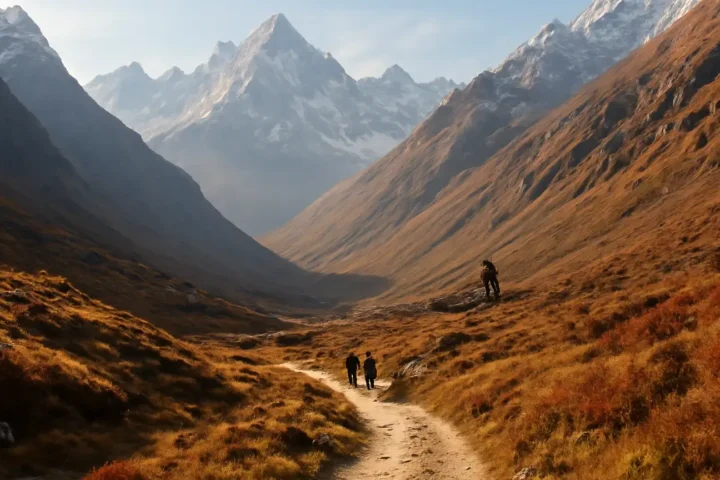
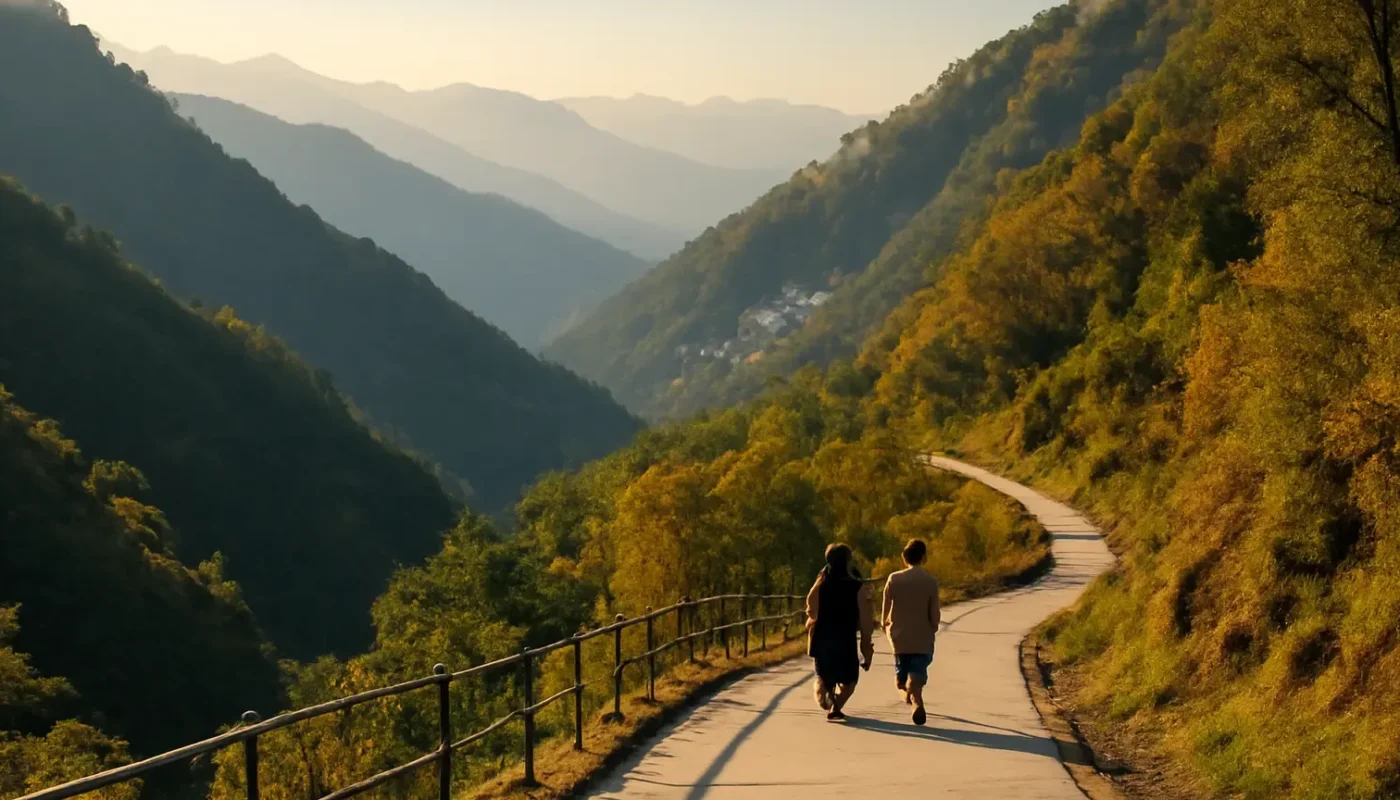
The Vaishno Devi trek distance from Katra to the Bhawan is approximately 12–14 km one way, depending on the route and point measured. The path is paved and has shops, water points, rest areas and medical assistance, but it remains a sustained uphill walk. The older route and the newer track can have different gradients and access rules, so follow the route assigned by the authorities.
Register for the yatra before beginning the climb. The registration process, acceptable documents, reporting point and permitted time window can change; use the official Shri Mata Vaishno Devi Shrine Board system rather than relying on informal agents. Keep the yatra slip or approved digital record accessible because checks may take place along the route.
Assisted options may include ponies, palkis, battery car service on permitted sections and a helicopter service to Sanjichhat. These services have separate boarding points, limited capacity and weather-related cancellations. Sanjichhat still requires a walk to the Bhawan, and a helicopter ticket does not eliminate the need to follow registration and darshan procedures. Confirm current eligibility, luggage rules, fares and refund conditions before paying.
Darshan queues can vary considerably. Start early, avoid carrying large bags and obey instructions about mobile phones, footwear, photography and offerings. The route to Bhairon Ghati is an additional climb from the shrine area; decide whether your group has enough time and energy before adding it to the itinerary.
How long is the Vaishno Devi trek from Katra?
The walk usually takes about 5–8 hours one way, depending on pace, crowd levels, breaks and the chosen route. Fit walkers may take less time, while families, children and older pilgrims may need longer; plan the return rather than treating the distance as a race.
Best time, weather and crowd planning
March to June generally offers comfortable daytime conditions, although afternoons can become warm on exposed sections. September to November is another popular window, with clearer autumn conditions in many years. December to February can be cold, particularly at night and near higher points, and rain or snow-related disruption is possible.
July and August may bring rain, slippery sections and transport delays. Monsoon travel is possible, but waterproof footwear and flexible bookings are important. Navratri attracts especially large crowds and higher accommodation and transport demand. Check the Vaishno Devi weather forecast, shrine advisories and road status shortly before leaving Delhi, not only when booking.
Altitude is moderate compared with high Himalayan pilgrimages, but the climb can still be physically demanding. Anyone with a significant health condition, mobility limitation or poor exercise tolerance should consult a doctor and choose an assisted plan. Take breaks, drink water and seek help if you feel unwell.
Where to stay: Katra accommodation by area
Most pilgrims should choose Katra town, where hotels, guesthouses, restaurants, cloakrooms and transport are concentrated. Staying near the bus stand or the main market is convenient for registration, meals and the start of the yatra, but these areas can be noisy during peak periods.
- Main Katra market: convenient for shops, food and walking to transport points; expect more activity and crowds.
- Railway station area: useful for early train departures and short stays, though you may need local transport to the yatra start point.
- Quieter outskirts: better for larger rooms and parking, but confirm the distance and taxi availability before booking.
Approximate accommodation may range from ₹800–₹2,000 for a basic room, ₹2,000–₹6,000 for a comfortable mid-range room and considerably more for premium properties. Prices vary by occupancy, season and cancellation terms. Ask whether the property offers luggage storage after checkout and whether it can arrange a lawful transfer to the designated registration or transport point.
Approximate budget for a Delhi to Vaishno Devi trip
A realistic budget depends mainly on transport class, room sharing, food and whether you use assisted services. The following estimates are for planning only and can change substantially during holidays.
| Expense | Budget range per person |
|---|---|
| Train travel, return | Approx. ₹1,000–₹7,000 |
| Flight and shared transfer, return | Approx. ₹8,000–₹25,000 |
| Shared accommodation for 1–2 nights | Approx. ₹800–₹4,000 |
| Food and local transport | Approx. ₹1,000–₹3,000 |
| Optional pony, palki, battery car or helicopter | Highly variable; confirm official rates |
For a train-based pilgrimage, ₹6,000–₹12,000 per person is a reasonable basic-to-comfortable planning range. A flight-based trip may cost ₹12,000–₹30,000 or more. A private car can be economical for four or more people but becomes expensive for a solo traveller. Treat these as approximate Vaishno Devi budget bands, not fixed package prices.
Registration, documents and local transport
Yatra registration is required, and the shrine administration may regulate entry through a slip, time slot or digital record. Complete it through the official shrine board channel and confirm the latest process before travelling. Carry government photo identification for every traveller, booking confirmations, emergency contacts and copies of important prescriptions.
Katra local transport includes auto-rickshaws, taxis and hotel-arranged transfers. Agree on the fare or use an authorised counter before starting. Do not hand over original documents to touts, and avoid buying unofficial priority-darshan promises. For airport or station transfers, verify the vehicle, driver details and pickup point in advance.
Food is widely available in Katra and along the route, including simple vegetarian meals, tea, snacks and rajma-based dishes. Langar services may operate under specific arrangements; follow the serving rules and avoid wasting food. Respect local residents, shrine workers and fellow pilgrims, particularly during crowded festival periods.
What to pack for Vaishno Devi in winter?
For winter, pack warm layers, a light waterproof jacket, woollen socks, gloves and a cap; for all seasons, comfortable walking shoes, a small daypack, a reusable water bottle and basic personal medicines are useful. Your Vaishno Devi packing list should also include:
- Government photo ID and registration confirmation
- Small amounts of cash plus a charged phone and power bank
- Sun protection, rain protection and blister-prevention supplies
- Minimal toiletries and a change of clothes in a waterproof cover
- Prescription medicines in original packaging, if applicable
Avoid heavy suitcases on the trek. Use an authorised cloakroom or hotel storage arrangement and carry only what you need. Wear modest, comfortable clothing appropriate for a religious site, and follow instructions regarding footwear and belongings near the shrine.
Sample itinerary and mistakes to avoid
Day 1: Delhi to Katra
Take an overnight train or begin the road journey early. If flying, reach Jammu and transfer to Katra. Check in, complete any required registration step and rest rather than starting the climb late at night without a plan.
Day 2: Katra to the shrine and return
Start at a time suited to your registration window and fitness. Allow a full day for the uphill walk, darshan, breaks and return. Add Bhairon Ghati only if conditions and energy permit.
Day 3: Buffer or return to Delhi
Keep a buffer for weather, queues or transport delays. Return by train, fly from Jammu or begin the road journey after adequate sleep. A longer itinerary can include Jammu sights such as Raghunath Temple or a rest stop near Patnitop, rather than forcing sightseeing into the pilgrimage day.
Common mistakes include booking a non-refundable connection too soon after the expected darshan, underestimating the uphill walk, carrying excessive luggage, ignoring weather alerts and choosing an unverified agent. Do not compare this pilgrimage casually with a high-altitude itinerary such as the Uttarakhand Chardham yatra route or assume that advice for Kedarnath applies here. For broader planning, a Vaishno Devi travel guide and reputable Vaishno Devi tour packages can help, but verify every inclusion independently.
Travellers combining northern destinations should also separate the pilgrimage from long detours. A Delhi to Rishikesh drive route, for example, belongs to a different travel direction and should not be added without extra days. Rishikesh, Jaipur and other popular destinations are better treated as separate legs.
Who this pilgrimage suits
This journey suits travellers who can manage a long walking day, families willing to move at a steady pace and groups prepared to adjust plans for crowds or weather. It can also suit senior citizens and people with mobility limitations when they arrange official assisted options early and travel with a companion. Infants, very young children and anyone unwell need extra planning, frequent breaks and advice from a doctor where appropriate.
Bottom line
The most dependable Vaishno Devi route from Delhi for many pilgrims is a confirmed train to Katra, a nearby stay and a full day reserved for the shrine. Flying is faster but adds the Jammu transfer; driving is flexible but tiring. Register through official channels, check the latest rules and forecast, keep luggage light and choose assistance according to the group’s ability rather than convenience alone.
Before you go: prices, timings, permits and road conditions change by season. Please confirm the latest details with Shri Mata Vaishno Devi Shrine Board, Indian Railways and IRCTC, Jammu Airport and Jammu and Kashmir Tourism Department and state tourism authorities. Last reviewed: October 2026.
Frequently Asked Questions
What is the best way to travel from Delhi to Vaishno Devi?
A train to Shri Mata Vaishno Devi Katra railway station is generally the best balance of cost and convenience. Fly to Jammu for a shorter trip, or drive if your group needs door-to-door flexibility.
How much does a Vaishno Devi trip from Delhi cost?
A basic train-based trip may cost approximately ₹6,000–₹12,000 per person, while a flight-based trip may cost approximately ₹12,000–₹30,000 or more. Season, room type and assisted services change the total.
Is registration required for Vaishno Devi Yatra?
Yes, pilgrims generally need yatra registration and an approved slip or digital record. Use the official shrine board system and check the latest document, timing and entry requirements before departure.
How long is the Vaishno Devi trek from Katra?
The route is approximately 12–14 km one way and commonly takes about 5–8 hours, depending on pace, crowds, breaks and weather.
Can senior citizens visit Vaishno Devi comfortably?
Many can do so with careful pacing and advance planning. Consider authorised palki, pony, battery car or helicopter options, check current eligibility and consult a doctor if there are health or mobility concerns.
Which area is best to stay in Katra?
The main Katra market is convenient for food, shops and transport, while the railway station area suits short stays. Quieter outskirts may offer more space but need reliable local transport.

Written by