Mysore food: 9 dishes to try beyond masala dosa
Plan a delicious Mysore break with nine regional dishes and snack experiences, from ragi mudde and Mysore pak to market churmuri, filter coffee and café breakfasts.

Quick answer
Mysore food goes well beyond masala dosa. Start with soft idli-vada and filter coffee for breakfast, then try bisibele bath, puliyogare, kosambari, ragi mudde with saaru and Mysore bonda. Snack on churmuri, sample Maddur vada on the Bengaluru route, and take home Mysore pak. Traditional vegetarian eateries, markets and cafés each offer a different experience, so plan an early breakfast and keep room for sweets.
Key facts at a glance
| Best time to visit | October-February for comfortable food walks; Dasara is busier |
|---|---|
| Ideal duration | 2 days for a focused food and heritage break |
| Nearest airport | Kempegowda International Airport, Bengaluru; approx. 170 km |
| Nearest railway station | Mysore railway station, in central Mysuru |
| How to reach | Train from Bengaluru or road via Bengaluru-Mysuru Expressway |
| Approx. food budget | ₹500-₹1,200 per person daily, excluding premium dining |
| Vegetarian suitability | Excellent; most iconic dishes are vegetarian |
| Permits needed | None for ordinary city dining or market visits |
Mysore food is best understood as a mix of traditional Karnataka cooking, old-style tiffin breakfasts, market snacks and famous sweets. A short visit can cover much more than masala dosa if you eat early, ask for local specialities and choose different settings: a busy vegetarian hall, a coffee-led café, a market stall and a sweet shop. This guide focuses on nine useful food experiences for travellers, including what to order, when to go and how much to budget.
What to eat: nine Mysuru food to try experiences
These are the best dishes in Mysore for a first visit. Some are associated with the city itself, while others belong to the wider Mysuru and Mandya region.
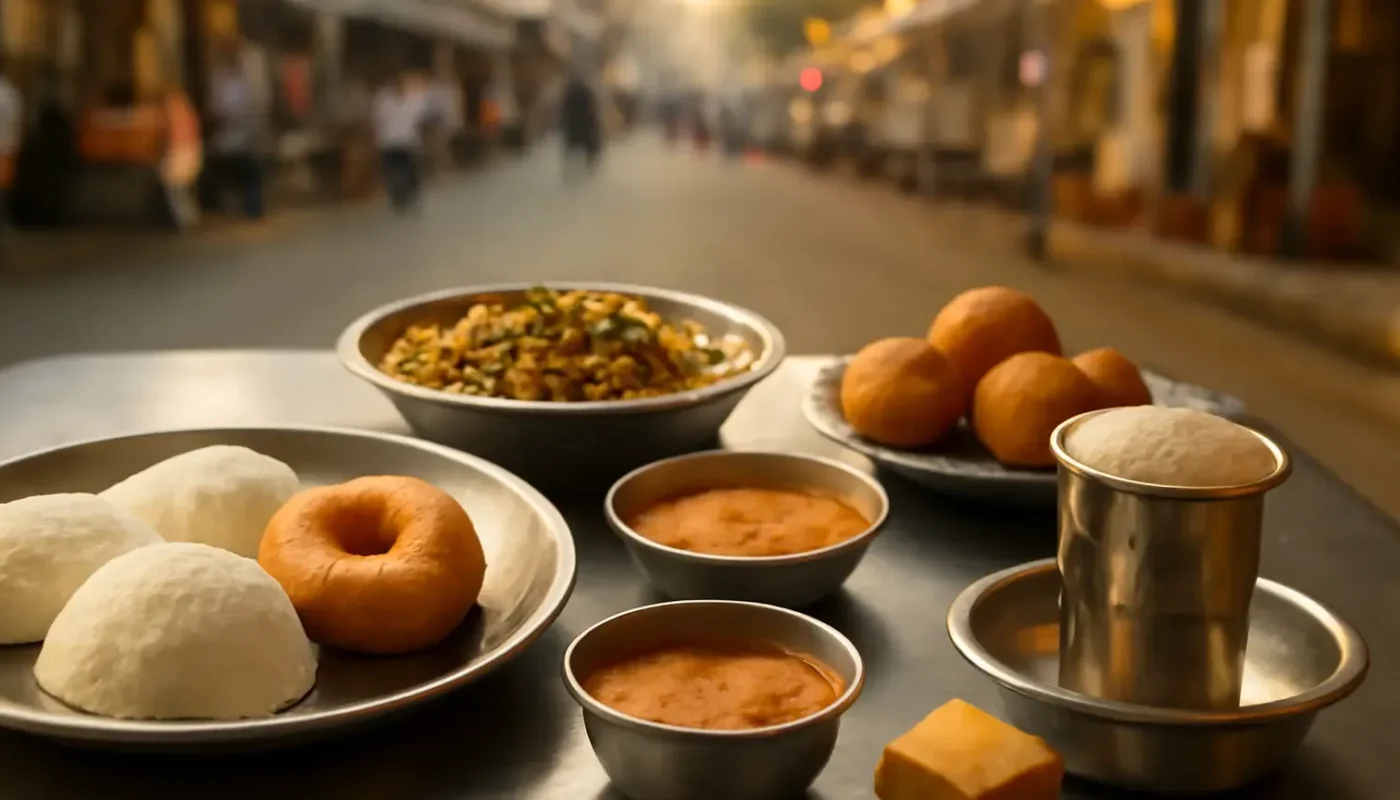
- Idli, vada and filter coffee: Begin with steamed idli, crisp medu vada, coconut chutney and sambar. This is filling, affordable and widely available at breakfast counters near the city centre. Filter coffee is usually served hot in a steel tumbler and bowl; allow it to cool before drinking.
- Mysore bonda: These small, fluffy fried snacks have a soft centre and are commonly served with chutney. They are a good mid-morning order when you want something lighter than a full thali, though availability varies by eatery.
- Bisibele bath: This hot rice-and-lentil dish is cooked with vegetables and a distinctive spice blend. It is usually softer and more savoury than a pulao, and works well as a quick lunch. Ask for curd or raita if the serving is spicy.
- Puliyogare: Tamarind rice with peanuts, lentils and spices is a practical travel meal found in eateries, temple-adjacent food counters and packed-food shops. It is tangy, keeps reasonably well for a short journey and is often vegetarian by default.
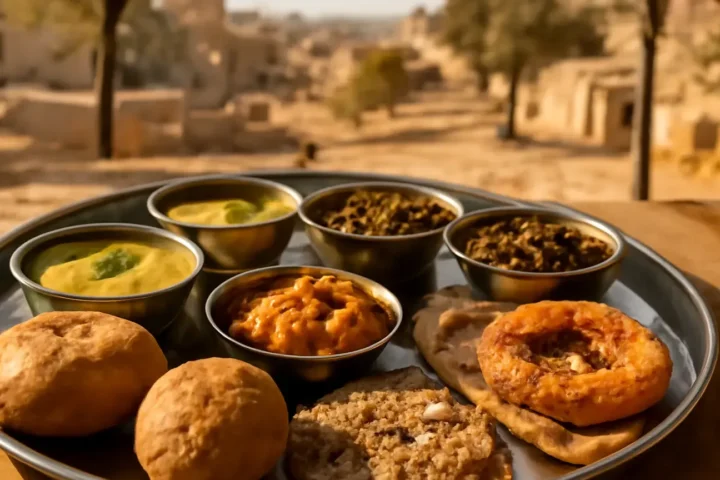
- Ragi mudde with saaru: Finger-millet balls are rolled with the fingers and eaten with a thin lentil or vegetable gravy. Ragi mudde is rustic, nutritious and more common at traditional Karnataka meals than at tourist cafés. It suits diners keen to try a regional staple; first-timers can share one portion.
- Kosambari: This fresh salad of soaked lentils, cucumber, carrot, coconut and tempering provides a cool contrast to richer dishes. It may appear as part of a festive meal or a Karnataka-style thali, especially around celebrations and family restaurants.
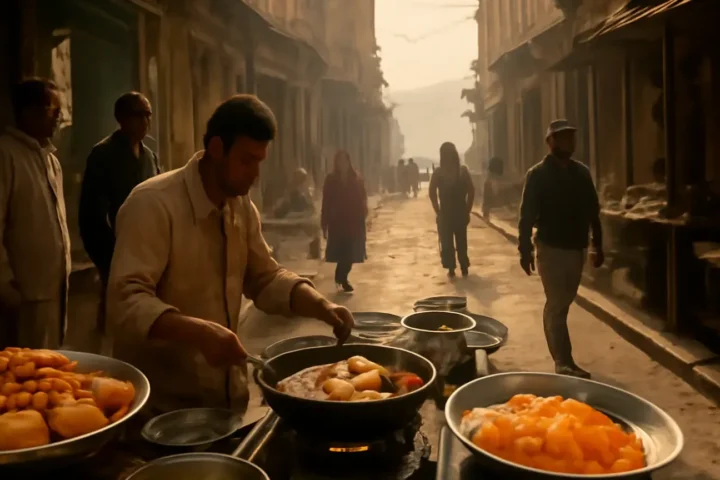
- Churmuri: Puffed rice mixed with onion, coriander, chilli, peanuts and a little seasoning makes an inexpensive evening snack. Choose a busy stall with a high turnover, and request less chilli if you are unaccustomed to local heat.
- Maddur vada: The crisp, onion-speckled fritter comes from Maddur in Mandya district, between Bengaluru and Mysuru. It is worth trying during a road or bus journey, but it is not strictly a Mysuru city speciality. Eat it fresh rather than carrying it for many hours.
- Mysore pak: The iconic sweet is made from gram flour, ghee and sugar. Texture ranges from firm and crumbly to soft and ghee-rich, depending on the shop. Buy a small box from a reputable sweet maker, check the packing date and protect it from heat.
Where to find authentic Mysore food
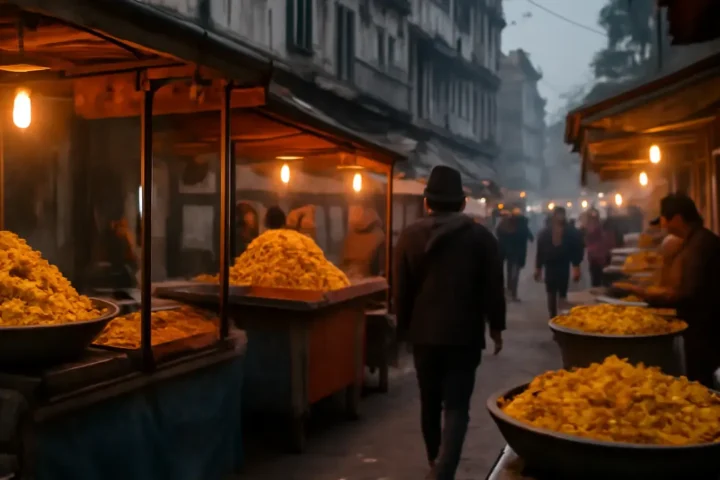
For a concentrated tasting plan, start around the central market and heritage streets. Devaraja Market is useful for seeing fruit, vegetables, flowers, spice ingredients and snack culture, although individual stall hygiene and opening patterns vary. It is better for observation and small snacks than for assuming every stall serves a complete meal.
Traditional vegetarian dining rooms near the city centre and around Mysore Palace are convenient for idli, vada, bisibele bath, thali and sweets. Ask whether a dish is available for breakfast, lunch or evening tiffin before deciding your route. Some busy restaurants serve quickly but have limited seating; quieter dining rooms may be more comfortable for families and older travellers.
Mysore cafes suit travellers who want longer breakfasts, coffee, bakery items or a break from spice. Menus can include South Indian staples alongside sandwiches and desserts, but café versions of regional dishes may be less traditional. A practical approach is to eat one classic meal at a local vegetarian restaurant and use a café for coffee or an afternoon snack.
What food is famous in Mysore besides dosa?
Besides dosa, the most recognisable choices are Mysore pak, bisibele bath, ragi mudde with saaru, Mysore bonda, puliyogare, churmuri and idli-vada. Maddur vada is a worthwhile regional addition on the Bengaluru-Mysuru route.
Breakfast timing, vegetarian choices and café etiquette
Breakfast is often the most dependable meal for tasting local food. Many tiffin restaurants begin service around 6:30-7:30 am and may slow down or change menus after late morning; timings vary by outlet and day. Reach early for idli, vada and coffee, particularly on weekends or during Mysore Dasara.
Mysuru is comfortable for vegetarian travellers. Ask for “pure vegetarian” restaurants if you prefer no egg or meat, and clarify whether a preparation contains ghee, curd or dairy when relevant. Vegan choices may require more explanation, since ghee and curd are common in South Indian cooking. Jain travellers should state restrictions clearly rather than relying on a general vegetarian label.
At a busy counter, queue patiently, order in small quantities and move aside after collecting food so others can be served. Use the provided spoons or wash hands where facilities are available. At a sit-down meal, avoid wasting rice and accompaniments. Religious institutions and temple-linked kitchens may have stricter rules about footwear, photography and food handling; follow posted instructions and ask before taking pictures.
How to reach Mysore for a food-focused break
The simplest rail option for many Indian travellers is arrival at Mysore railway station, which is close to the central hotel and dining areas. Bengaluru is the main gateway, with train and bus options taking roughly 2.5-4.5 hours depending on the service and traffic. Confirm the current schedule through Indian Railways or IRCTC before booking.
By air, use Kempegowda International Airport in Bengaluru, approximately 170 km from Mysuru. A pre-booked taxi or airport bus can take roughly 3.5-5.5 hours depending on congestion. Road travellers usually use the Bengaluru-Mysuru Expressway; it can shorten the drive, but tolls, city traffic and weekend demand affect the total time. From Coorg, the drive is approximately 120-140 km and commonly takes about 3.5-5 hours, depending on the route and weather.
For broader planning, pair this article with a Mysore travel guide covering the palace, markets, museums and day trips. Travellers comparing packaged itineraries can also review Mysore tour packages, but check how much free time they allow for breakfast and market eating.
| Arrival option | Approx. time | Best suited to | Trade-off |
|---|---|---|---|
| Train from Bengaluru | 2.5-4.5 hours | Travellers wanting a central arrival | Seats and timings vary by service |
| Road via expressway | 3-4.5 hours from Bengaluru | Families and food stops on the way | Traffic and tolls can change the duration |
| Flight to Bengaluru plus road transfer | About 3.5-5.5 hours from airport | Long-distance travellers with flight connections | Airport is far from Mysuru |
| Bus from Bengaluru | About 3-5 hours | Budget-conscious visitors | Comfort and travel time vary by operator |
Best season and a practical two-day food itinerary
October to February is generally the most comfortable period for walking between eateries and markets, with cooler mornings and evenings. October can be lively around Dasara, but accommodation demand and restaurant queues may rise. March to May can be hot in the afternoon, so schedule market visits early. June to September brings intermittent rain; snacks and cafés remain appealing, but allow extra road time and carry a compact umbrella.
Day 1: Central Mysuru breakfast and sweets
Start with idli-vada, Mysore bonda and filter coffee before visiting Mysore Palace. Walk towards Devaraja Market late morning, observing the produce and flower sections without blocking vendors. Have bisibele bath or a Karnataka thali for lunch, take a rest during the warmest hours, and return for evening churmuri. Finish with a small Mysore pak tasting rather than buying a large box immediately.
Day 2: Regional flavours and Chamundi Hill
Eat an early breakfast, then visit Chamundi Hill if it fits your interests and the weather. The hill involves steps and walking; use a vehicle if needed and dress respectfully around the temple. Return to the city for ragi mudde with saaru or puliyogare at lunch. Spend the afternoon in a café, then buy sealed sweets for the journey. If travelling by road towards Bengaluru, look for fresh Maddur vada near Maddur instead of searching for it in every Mysuru restaurant.
Mysore food budget and where to stay
A practical Mysore food budget is approximately ₹500-₹1,200 per person per day for breakfast, two casual meals, snacks and coffee. A basic tiffin breakfast may cost about ₹80-₹200, a casual lunch roughly ₹150-₹350, and a café meal around ₹250-₹600. Premium restaurants, hotel dining and delivery can cost more. Prices change by outlet, portion and season, so treat these as planning ranges rather than fixed tariffs.
| Style | Approx. daily food spend | Who it suits |
|---|---|---|
| Local tiffin and snacks | ₹300-₹600 | Budget travellers and short food walks |
| Mixed restaurants and cafés | ₹600-₹1,200 | Most couples and families |
| Hotel or premium dining | ₹1,200 and above | Travellers prioritising comfort and ambience |
Stay near the central market, palace area or railway station for walkable breakfasts and easy access to local transport in Mysore. Hotels near the ring road can offer more space and parking but usually require autos or taxis for every meal. Check whether your accommodation provides an early breakfast if you have a train or airport transfer. A property with good ventilation, secure luggage storage and filtered drinking water is more useful than one chosen only for a view.
Local transport, safety and respectful eating
Autos, app-based cabs where available, taxis and city buses cover the main food areas. Agree on an auto fare beforehand if the meter is not used, and confirm the destination in Kannada or on a map when pronunciation is uncertain. Walking is practical around the palace and market, but heat, traffic and uneven pavements make short vehicle hops sensible at midday.
- Carry small notes and digital payment backup; network or payment acceptance can vary at small stalls.
- Choose food cooked hot and served busy, particularly for chutneys, salads and fried snacks.
- Drink sealed or filtered water if you are unsure about the source, and avoid over-ordering on the first meal.
- Do not photograph vendors, worshippers or kitchens without permission.
- For a comparison with another Indian food destination, use the site’s guide to the best street food in Varanasi; the eating styles and hygiene considerations are different.
There are no special permits for ordinary city dining, market visits or the palace area, although monument tickets and temple rules may apply separately. Check local administration notices during major festivals, and allow extra time during processions. Travellers with allergies should ask about peanuts, coconut, dairy and shared frying oil; staff may not be able to guarantee a completely allergen-free kitchen.
Bottom line
The most rewarding Mysore food plan combines an early tiffin breakfast, one traditional Karnataka meal, a market snack, coffee and a carefully chosen sweet. Try ragi mudde and bisibele bath for regional depth, churmuri and Mysore bonda for casual snacking, and Mysore pak as a take-home treat. Keep the itinerary flexible, eat where turnover is high, and leave time to enjoy Mysuru at a slower pace rather than racing between restaurants.
Before you go: prices, timings, permits and road conditions change by season. Please confirm the latest details with Karnataka Tourism Department, Mysuru district administration, Indian Railways and IRCTC and Kempegowda International Airport authority and airport operator notices. Last reviewed: October 2026.
Frequently Asked Questions
Where can I eat authentic Mysore food?
Look around central Mysuru, especially the areas near Devaraja Market, Mysore Palace and Mysore railway station. Traditional vegetarian restaurants are dependable for idli-vada, bisibele bath, thali and sweets, while cafés are better for coffee and a slower breakfast.
What should I eat for breakfast in Mysore?
Try idli with medu vada, chutney, sambar and filter coffee. Mysore bonda is another good tiffin snack. Go around 6:30-9:00 am, but confirm the outlet’s current timings because menus and service hours vary.
Is Mysore food mostly vegetarian?
Many iconic Mysuru dishes and central vegetarian eateries are vegetarian, making the city easy for vegetarian travellers. Meat-eaters will find additional options, while vegan and Jain diners should explain their restrictions because ghee, curd and shared cooking equipment are common.
How much does food cost in Mysore?
Budget approximately ₹500-₹1,200 per person daily for breakfast, casual meals, snacks and coffee. Local tiffin can cost less, while hotel restaurants, premium cafés and delivery may raise the total.
Which sweets should I buy in Mysore?
Mysore pak is the essential purchase. Buy a small, freshly packed box from a reputable sweet shop, compare firm and soft textures if possible, and keep it away from direct heat during travel.
What are the best cafés in Mysore for travellers?
Choose cafés in the central and heritage areas for coffee, bakery items and a relaxed break. For a more traditional experience, prioritise a local tiffin restaurant first and use cafés later, since café versions of regional dishes may be adapted.

Written by