Best Time to Visit Gulmarg: Snow, Skiing and Green Season
Compare Gulmarg’s snowy winter, spring thaw, green summer meadows and crisp autumn weather to choose the right season, activities, clothing and travel plan.

Quick answer
The best time to visit Gulmarg depends on your plans: December to March suits travellers seeking snow and skiing, April to June brings green meadows and comfortable sightseeing, and September to October offers crisp weather with fewer crowds. January and February usually provide the strongest snow experience, although road and activity conditions can change. July and August are greener but wetter. Reserve extra travel time in winter and carry layered clothing in every season.
Key facts at a glance
| Best time to visit | December–March for snow; April–June for meadows |
|---|---|
| Ideal duration | 2–3 nights; add time for weather buffers |
| Nearest airport | Srinagar International Airport, approx. 55–65 km |
| Nearest railway station | Jammu Tawi railway station, approx. 290–310 km |
| How to reach | Cab from Srinagar, usually approx. 2.5–4 hours |
| Altitude | Gulmarg is at approx. 2,650 metres |
| Approx. budget | ₹12,000–₹30,000 per person for 3 days, excluding flights |
| Permits needed | No general tourist permit; carry valid photo ID |
Choosing the best time to visit Gulmarg depends on whether you want deep snow, ski slopes, flower-filled meadows or quiet mountain walks. Gulmarg, in Baramulla district of Jammu & Kashmir, changes character through the year. Winter is the classic season for snow sports, summer is best for open landscapes and relaxed sightseeing, while early autumn combines clear views with a calmer atmosphere. This guide compares each month and adds practical advice on transport, clothing, stays, budgets and safety.
Best time to visit Gulmarg by month
Gulmarg’s weather is mountain weather: snowfall, road conditions and visibility can vary from one week to the next. Treat the following calendar as a planning guide rather than a guarantee.
| Months | What to expect | Best for | Main trade-off |
|---|---|---|---|
| December–February | Cold, frequent snow; ski season generally active | Snow views, skiing, snow play | Road delays, higher demand and limited outdoor comfort |
| March | Snow may remain at higher elevations; lower areas begin thawing | Late-season snow and quieter trips | Mixed conditions and less predictable slopes |
| April–June | Green meadows, mild days and improving access | Gondola rides, walks, families and photography | Snow is usually limited in the main meadow |
| July–August | Lush landscapes with occasional rain | Slow travel and greenery | Cloud, rain and reduced mountain visibility |
| September–October | Crisp air, clearer skies and autumn colour | Quiet sightseeing and walks | Snow activities are generally unavailable |
| November | Cold shoulder season before reliable winter snow | Low-season stays and peaceful views | Some activities may pause between seasons |
Which month is best for snow in Gulmarg?
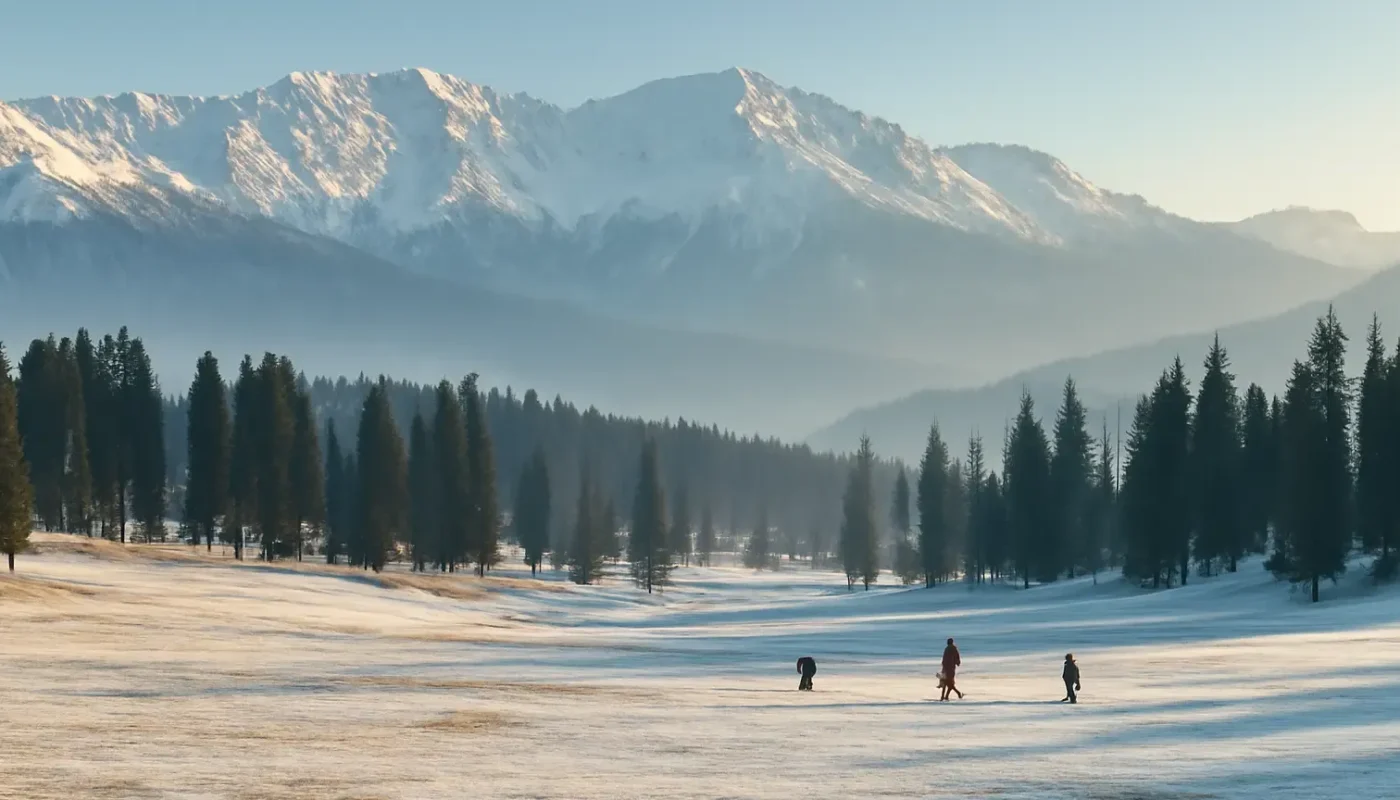
January and February are usually the strongest choices for snow in Gulmarg, although December and March can also work when snowfall is favourable. These months suit visitors who want snow-covered roadsides, skiing and a chance to see Apharwat Peak in winter conditions. Snowfall is not guaranteed on a particular travel date, so keep one flexible day in your plan and check local advisories before leaving Srinagar.
Gulmarg best season for skiing and snow
For most first-time snow travellers, December to March is the Gulmarg best season. January and February typically offer the most dependable winter atmosphere, while March can provide a quieter late-season experience. The Gulmarg Gondola connects the main resort area with higher slopes, but operating conditions, queues and access can change with wind, snow and administration decisions. Check the official operator or local authorities on the day of travel instead of relying only on older social media posts.
Beginners should book recognised skiing lessons through established local operators and confirm what equipment, instructor time and transfers are included. Snow play near the main meadow is different from skiing at higher elevations. Wear insulated layers, waterproof gloves and proper snow boots; rented footwear may be available, but sizes and condition can vary during busy periods.
What should I wear in Gulmarg in winter?
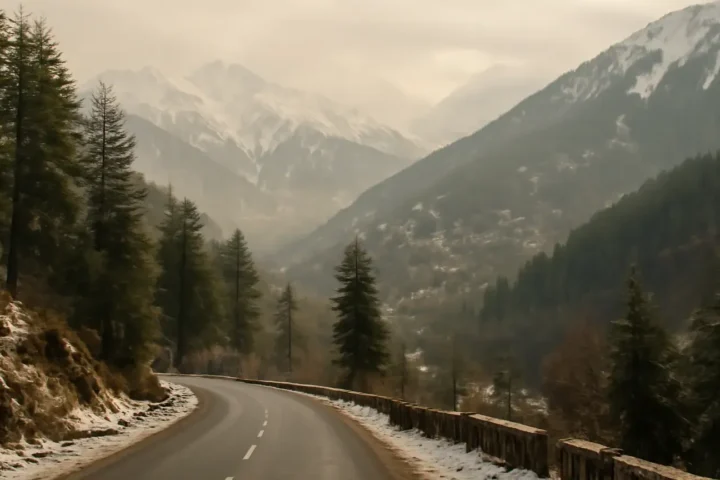
In winter, wear thermal inner layers, a fleece or sweater, a waterproof insulated outer layer, woollen socks, gloves, a cap and waterproof footwear. Avoid relying on one heavy jacket alone because temperatures change between a sunny afternoon, a windy Gondola station and a cold evening. Sunglasses and sunscreen are useful when sunlight reflects off snow. Carry spare socks and keep electronics protected from moisture.
Spring, summer and autumn: the green-season alternatives
April marks the transition from winter to spring. Snow may still be visible on distant slopes, while the lower meadows become more accessible. April and May are useful for travellers who want a mix of mountain scenery, short walks and a possible Gondola ride without planning an entirely snow-focused trip. Pack a light jacket because mornings and evenings remain cool.
June is often comfortable for sightseeing, picnics and family travel. The meadows are greener, and walks towards Khilanmarg or along quieter trails can be more pleasant than in winter. July and August can look especially lush, but rain and cloud may interrupt views. These months suit flexible travellers rather than visitors with a fixed photography schedule.
September and October are among the more comfortable shoulder-season choices. The air is crisp, roads are often easier than during heavy winter weather, and crowds may be lighter outside holiday periods. November is quieter but can feel like a gap between autumn sightseeing and dependable snow. If you are comparing Gulmarg with Pahalgam or Sonamarg, remember that each valley can have different weather on the same day.
Is Gulmarg worth visiting in summer?
Gulmarg is worth visiting in summer if you prefer green meadows, mountain walks, cooler air and sightseeing over guaranteed snow. April to June is generally the most comfortable summer window, while July and August are greener but wetter. The season is particularly suitable for families, senior travellers who do not want slippery snow and photographers seeking open landscapes.
How to reach Gulmarg from Srinagar
The most convenient route begins at Srinagar International Airport, roughly 55–65 km from Gulmarg depending on the exact route and accommodation. A private cab or pre-arranged transfer commonly takes about 2.5–4 hours, allowing for traffic, weather and stops. The road generally passes through Tangmarg, the main approach town. The Tangmarg route can become slow or require additional local arrangements during snowfall, so do not schedule a tight airport connection on the same day.
If you arrive by rail, Jammu Tawi railway station is the practical major railhead, approximately 290–310 km away. The onward road journey can take about 8–11 hours depending on traffic, roadworks and breaks. Jammu is useful for travellers combining Gulmarg with other parts of the region, but flying to Srinagar is usually less tiring for a short holiday.
- By air: Reach Srinagar International Airport and continue by cab. Confirm baggage and weather disruption policies with the airline.
- By train: Reach Jammu Tawi railway station, then reserve a long-distance taxi or combine road travel with a planned Srinagar stay.
- By road: Srinagar is the usual base; routes from Jammu or the Mughal Road may be affected by seasonal closures and local conditions.
A detailed Gulmarg travel guide can help you combine the hill station with Srinagar, Dal Lake and nearby attractions without overloading the itinerary. Travellers comparing Gulmarg tour packages should check whether airport transfers, Gondola tickets, meals and local sightseeing are actually included.
Gulmarg itinerary for two or three nights
Two nights is enough for a focused first visit, while three nights gives valuable flexibility during winter or rain.
Day 1: Arrive via Srinagar and Tangmarg
Travel from Srinagar to Gulmarg, check in and keep the first afternoon light. Walk around the main meadow, confirm the next day’s activity and buy or hire any missing winter clothing. In bad weather, treat the arrival day as a rest and acclimatisation period.
Day 2: Gondola, snow or meadow walks
In winter, use the morning for skiing lessons or snow activities if conditions permit. In spring and summer, plan the Gulmarg Gondola or a meadow walk, subject to operating status and visibility. Do not promise too many distant viewpoints in a weather-dependent itinerary.
Day 3: Flexible buffer and return
Keep a buffer for a delayed Gondola ride, a cancelled activity or a slower return to Srinagar. If everything goes smoothly, enjoy a final kahwa, take a short walk and depart with enough daylight for the road.
Gulmarg hotel costs, food and local transport
Gulmarg hotel costs vary widely by season, room type, heating, location and meal plan. As a broad planning range, a basic double room may cost approximately ₹2,500–₹6,000 per night in quieter periods, while mid-range and peak winter rooms may range from roughly ₹6,000–₹15,000 or more. Rates can rise around holidays and heavy-snow periods. Confirm whether heating, breakfast, taxes and transport are included.
A three-day trip from Srinagar can cost approximately ₹12,000–₹30,000 per person excluding flights, assuming shared accommodation or a twin-share room, road transfers, meals and selected activities. Skiing, Gondola tickets, equipment rental and private transfers can push the total higher. These are planning ranges, not fixed tariffs.
For local movement, a Gulmarg taxi is useful for airport transfers and nearby sightseeing, but vehicles may have restrictions or additional charges in winter. Ask the driver about the final drop point, luggage handling and waiting time before starting. Walking is practical around the main meadow, although snow and slopes can make short distances tiring. Try local food and warm kahwa respectfully, and follow hotel guidance on water and waste disposal.
Where to stay and what to pack
Staying near the main Gulmarg meadow is convenient for the Gondola, restaurants and snow activities, but it can be more expensive. Tangmarg offers a wider range of practical accommodation and is useful when Gulmarg rooms are unavailable, though it adds daily driving. A Srinagar stay before or after the hill trip works well for travellers who want time beside Dal Lake and a more varied food and hotel choice.
- Winter clothing: thermals, fleece, waterproof jacket, insulated trousers, gloves, woollen socks and a warm cap.
- Footwear: waterproof walking shoes or snow boots with good grip; carry an extra pair of socks.
- Travel essentials: photo ID, medicines prescribed for you, power bank, lip balm, sunscreen, sunglasses and a small daypack.
- Rain-season kit: compact umbrella or poncho, quick-dry layers and a waterproof cover for luggage.
Permits, documents and safety planning
Gulmarg generally does not require a special tourist permit for ordinary sightseeing, but carry a valid government photo ID and retain hotel and transport confirmations. Rules for higher areas, activities, photography or temporary road access can change. Ask the local administration, hotel or authorised activity provider before heading beyond common visitor zones.
Gulmarg is at approximately 2,650 metres, and the upper Gondola stations are considerably higher. Take the first day slowly, drink water and avoid packing an exhausting schedule. Anyone with a medical condition, pregnancy or concerns about altitude should consult a doctor before travel. Seek local help promptly if you feel seriously unwell.
Is Gulmarg safe for family travel? It is generally suitable for families when they choose licensed operators, supervise children near slopes and allow extra time for weather-related delays. Do not walk onto unfamiliar snowfields, accept unsolicited activity offers without checking prices and credentials, or drive quickly on icy roads. Respect local customs, dress modestly in villages and religious spaces, and ask before photographing residents.
Mistakes to avoid when choosing when to visit Gulmarg
- Booking a snow trip without checking recent snowfall and road advisories.
- Assuming the Gondola will operate in all weather or that tickets are automatically included in a package.
- Planning a same-day flight departure after a winter road transfer from Gulmarg.
- Carrying only fashionable footwear instead of waterproof shoes with grip.
- Underestimating peak-season hotel demand and holiday traffic.
- Comparing the weather with Jaipur, Rishikesh or Kedarnath as though all mountain destinations have the same conditions.
Bottom line: when to visit Gulmarg
The best time to visit Gulmarg is January or February for the strongest snow-and-skiing experience, April to June for green meadows and comfortable sightseeing, and September to October for crisp weather and fewer crowds. Choose March or November only if you are comfortable with changing conditions. Whichever season you select, build in a weather buffer, confirm transport locally and pack for colder conditions than the forecast suggests.
Before you go: prices, timings, permits and road conditions change by season. Please confirm the latest details with Jammu & Kashmir Tourism Department, Gulmarg Gondola operator, Srinagar International Airport and Indian Railways and IRCTC for Jammu Tawi services and schedules; local administration for road conditions and activity advisories. Last reviewed: October 2026.
Frequently Asked Questions
Which month is best for snow in Gulmarg?
January and February usually offer Gulmarg’s most reliable snow experience, though snowfall varies each year. December and March can also be rewarding when recent snow conditions are favourable.
Is Gulmarg worth visiting in summer?
Yes. April to June is suitable for green meadows, Gondola rides, walks and comfortable sightseeing. July and August are greener but wetter and may have more cloud.
How many days are enough for Gulmarg?
Two nights are enough for a focused visit, but three nights are better because they allow a weather buffer for the Gondola, skiing or delayed road travel.
What should I wear in Gulmarg in winter?
Wear thermal layers, a fleece, waterproof insulated outerwear, warm socks, gloves, a cap and waterproof shoes or snow boots. Sunglasses are useful in bright snow.
Is Gulmarg safe for family travel?
Gulmarg is generally suitable for families when travellers use reputable activity providers, supervise children near slopes, follow weather advice and allow extra time for road delays.
How do I reach Gulmarg from Srinagar?
Hire a private cab or arrange a transfer from Srinagar International Airport or Srinagar city. The approximately 55–65 km drive usually takes around 2.5–4 hours, depending on traffic and weather.

Written by