
Goa: Sun, Sand and Soul — Guides, Itineraries & Tour Packages
Goa is India’s classic coastal getaway, known for sandy beaches, Portuguese-influenced heritage, seafood, relaxed villages, nightlife and water-based experiences. It suits couples, families, solo travellers and groups looking for anything from a slow beach break to an activity-filled holiday. November to March offers the most dependable weather, while October is greener and quieter but can still bring showers. Most visitors arrive by air at Dabolim or Mopa, with trains and overnight buses connecting Goa to major Indian cities.
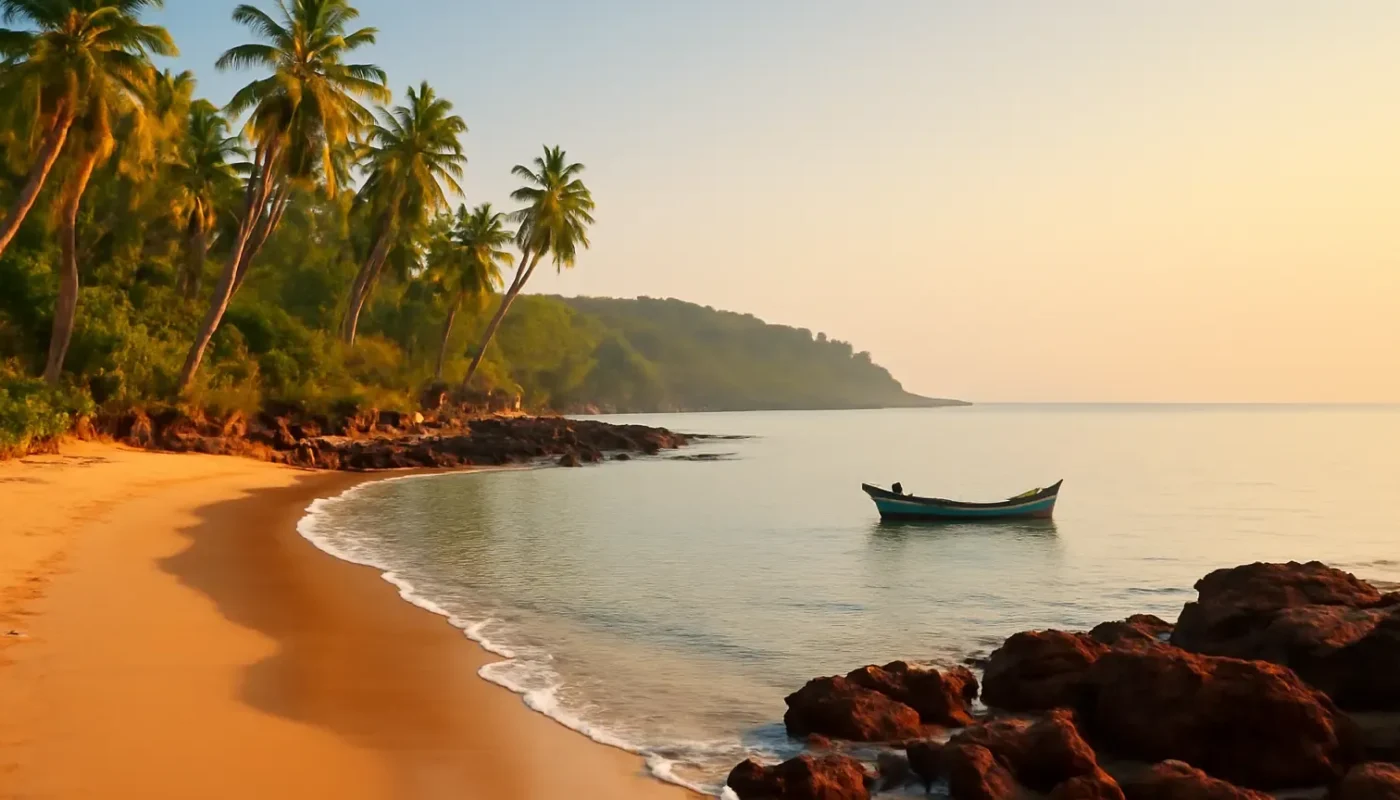
Greener beaches, occasional showers
October is greener and less crowded after the monsoon, but humid days and occasional showers remain; sea conditions can still affect water activities.
Goa Circuit & Driving Distances
Frequently Asked Questions: Goa Travel
November to March is the most popular period for beaches, sightseeing and nightlife. October is quieter, though occasional rain is possible.
Fly to Dabolim (GOI) or Manohar International Airport, Mopa (GOX). Trains and overnight buses connect Goa with Mumbai, Bengaluru, Pune and other cities.
Indian travellers generally do not need a permit. Foreign nationals need valid travel documents and visas; check official government and immigration sources before travelling.
Goa is widely travelled, but use standard precautions, avoid isolated beaches after dark, follow swimming flags and take care with rented vehicles and valuables.
A practical mid-range budget is approx. ₹3,000–₹8,000 per person per day, excluding travel to Goa; costs vary by season, area and accommodation.
Four to six days allow time for beaches, heritage areas, local food and either North Goa, South Goa or a balanced combination of both.
Build Your Personalised Goa Itinerary
Tell us your travel month, pace and dream destinations. A senior route planner will send a transparent day-by-day plan with direct fleet pricing.