Badrinath: Sacred Himalayan Pilgrimage — Guides, Itineraries & Tour Packages
Badrinath is one of India’s most revered Hindu pilgrimage towns and part of the Char Dham and Chota Char Dham circuits. Set beside the Alaknanda River in Uttarakhand, it suits spiritual travellers, families, photographers and visitors seeking high-altitude Himalayan landscapes. The temple typically opens from late spring to autumn, with May to June and September to October offering the most practical conditions. Most travellers reach Badrinath by road from Rishikesh or Haridwar, usually via Devprayag, Rudraprayag, Joshimath and scenic mountain valleys.
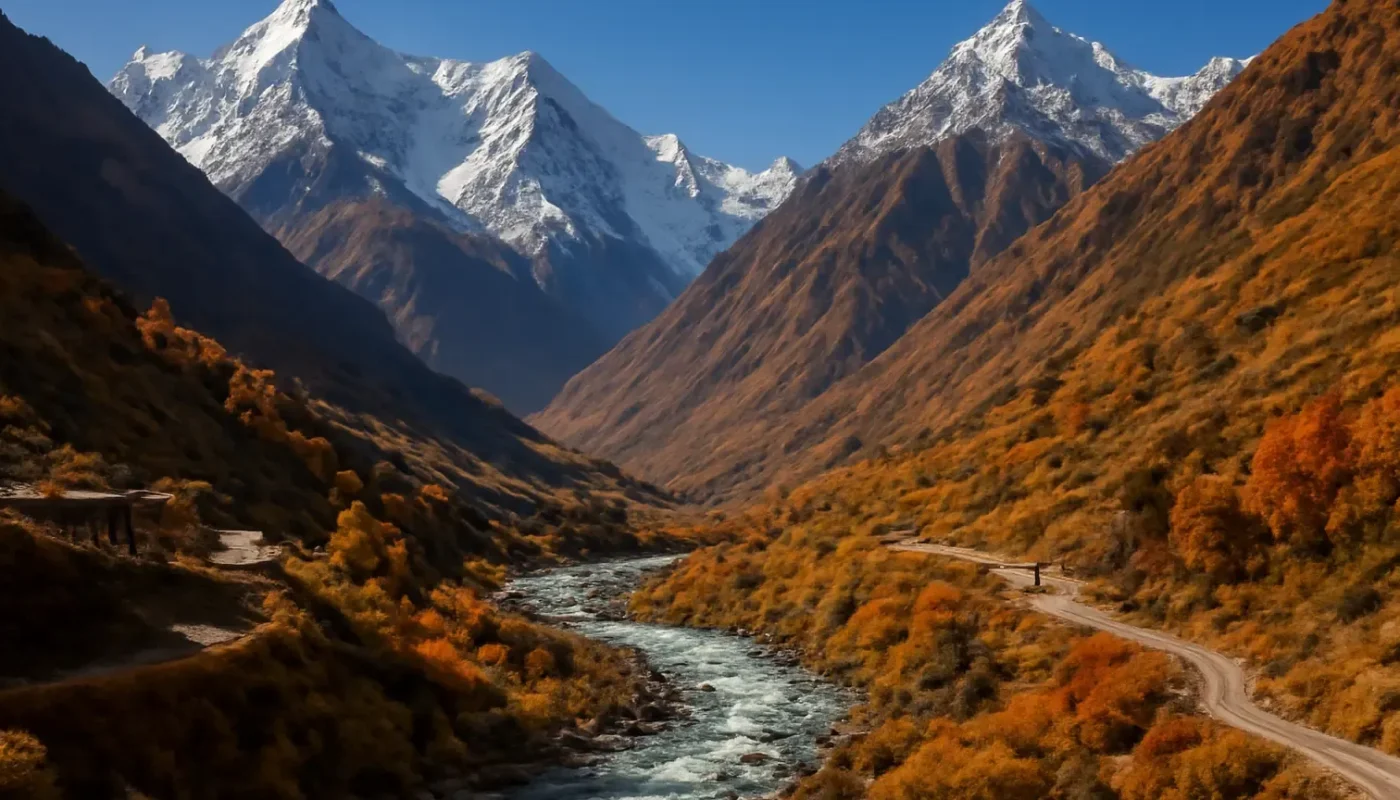
Chilly, clear pilgrimage weather
October is cold, especially mornings and nights; the temple season usually continues until around Diwali, but snowfall or road disruptions are possible.
Badrinath Circuit & Driving Distances
Frequently Asked Questions: Badrinath Travel
May to June and September to October are generally best. Check the temple opening and closing dates before travelling.
Badrinath is mainly reached by road from Rishikesh or Haridwar. The nearest airport is Dehradun; shared taxis, buses and private cars are available seasonally.
Pilgrims may need registration or a yatra pass during the pilgrimage season. Check current requirements with Uttarakhand Tourism or official district sources.
It is generally accessible, but the high altitude, steep roads, cold and long journey require gradual travel, warm clothing and medical caution.
A basic 4-to-6-day trip from Rishikesh may cost approximately ₹8,000–₹20,000 per person, excluding luxury stays and depending on transport and season.
Allow 4 to 6 days from Rishikesh or Haridwar, including road travel, temple darshan, Mana village and possible weather delays.
Build Your Personalised Badrinath Itinerary
Tell us your travel month, pace and dream destinations. A senior route planner will send a transparent day-by-day plan with direct fleet pricing.