Ladakh permits: What Indian travellers need for Nubra and Pangong
Planning Nubra and Pangong? This practical guide explains Ladakh permits, identity proof, vehicle documents, local permissions, route checks, costs and where to verify current rules.

Quick answer
Ladakh permits for Indian travellers are usually less complicated than many older guides suggest: Indians generally do not need an Inner Line Permit for Nubra Valley or Pangong Tso, but must carry valid photo ID and vehicle papers. Route-specific environmental, wildlife or local administration fees may apply, and officials can check documents at barriers. Rules, fees and access can change, so verify with the Ladakh administration, tourism department and local taxi association before leaving Leh.
Key facts at a glance
| Indian citizens | Usually no ILP for Nubra or Pangong; carry photo ID |
|---|---|
| Main documents | Government ID, driving licence, RC, insurance and PUC |
| Key routes | Leh–Nubra over Khardung La; Leh–Pangong over Chang La |
| Typical access fees | Approx. local, environmental or wildlife charges; verify current rates |
| Nearest airport | Kushok Bakula Rimpochee Airport, Leh; approx. 4 km from town |
| Nearest railway station | Jammu Tawi; onward road journey is long and seasonal |
| Best planning window | Approx. May–October, subject to snow and road conditions |
| Health note | Acclimatise in Leh before high-altitude drives |
Ladakh permits are best understood as four separate things: your personal identity documents, vehicle paperwork, local or environmental payments, and checks for particular routes or protected areas. For most Indian citizens travelling to Nubra Valley and Pangong Tso, the old Inner Line Permit question is not the main obstacle. The practical issue is carrying the right originals or accepted digital copies and checking the latest local instructions before departure.
This guide focuses on planning from Leh, where travellers commonly arrange transport, accommodation and any applicable permissions. Rules can change by season, road status, security requirements and district orders. Treat the information below as a preparation checklist rather than a substitute for a current order from the Ladakh administration.
Ladakh permit requirements for Indian travellers
Indian citizens generally do not need an Inner Line Permit to visit the usual tourist circuits of Nubra Valley and Pangong Tso. However, that does not mean that no documents or charges are involved. A checking point may ask for identity proof, vehicle papers, a driving licence or evidence that a locally required fee has been paid.
- Identity proof: Carry a valid government-issued photo ID. An Aadhaar card, passport, driving licence or another accepted document may be useful, but confirm current acceptance if travelling with children or foreign-origin residents.
- Vehicle documents: Keep the registration certificate, valid insurance, pollution-under-control certificate and driving licence available. If the vehicle is not yours, carry the owner’s authorisation or rental paperwork.
- Local payments: Environmental, wildlife or conservation contributions may be collected online or through a designated local system. Amounts and procedures are subject to change.
- Route checks: Police, civil administration or other authorised personnel can check travellers and vehicles at barriers, especially on high passes and sensitive border-facing routes.
The phrase Ladakh travel permits for Indians is often used loosely online. It can refer to an old ILP, a tourism-related fee receipt or an entry record, so ask the issuing office what a current document actually covers. Do not rely on a screenshot from an old blog or a package operator’s message without checking the date.
Do Indians need a permit for Nubra Valley and Pangong Lake?
Do Indians need a permit for Nubra Valley and Pangong Lake? Usually, Indian tourists do not need a separate Inner Line Permit for these standard tourist routes. They should still carry photo identification, vehicle documents and any current receipt or registration confirmation required by the local administration.
| Destination | Usual access from Leh | What to carry | Important practical check |
|---|---|---|---|
| Nubra Valley | Leh–Khardung La–Khardung–Diskit–Hunder; approx. 120–160 km one way, often 5–8 hours | Photo ID, vehicle papers, licence and local fee evidence if applicable | Pass condition, road opening and accommodation in Diskit, Hunder or nearby villages |
| Pangong Tso | Leh–Chang La–Durbuk–Tangtse–Pangong; approx. 150–170 km one way, often 6–9 hours | Photo ID, vehicle papers, licence and current route-payment evidence if applicable | Chang La weather, lake access restrictions and overnight stay rules |
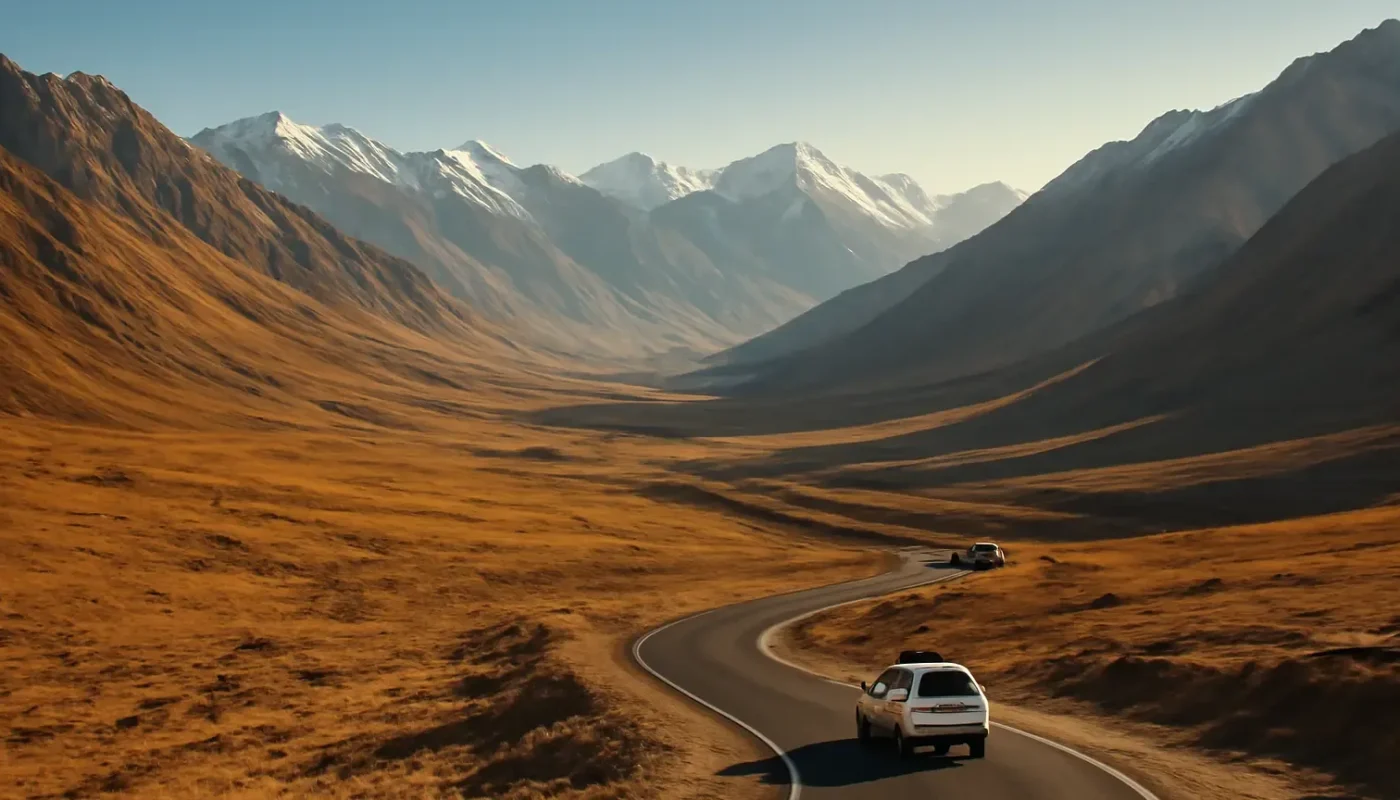
For planning, the Leh to Nubra route crosses Khardung La, while the Leh to Pangong route crosses Chang La. Nubra’s route follows the Shyok or Nubra river valleys, and the Pangong route approaches the lake through Durbuk and Tangtse. A road may be technically open but still unsuitable for a small car after snow, rain or a landslide. Confirm both access and document procedures in Leh.
Is an Inner Line Permit required for Indians in Ladakh?
Is an Inner Line Permit required for Indians in Ladakh? It is generally not required for Indian citizens visiting the established Nubra and Pangong tourist circuits, although separate permissions can apply to restricted or specially notified areas. Older searches for an Inner Line Permit Ladakh may describe rules that no longer apply to these standard circuits. Ask the local administration about any destination beyond the usual itinerary.
Documents needed for a Ladakh road trip
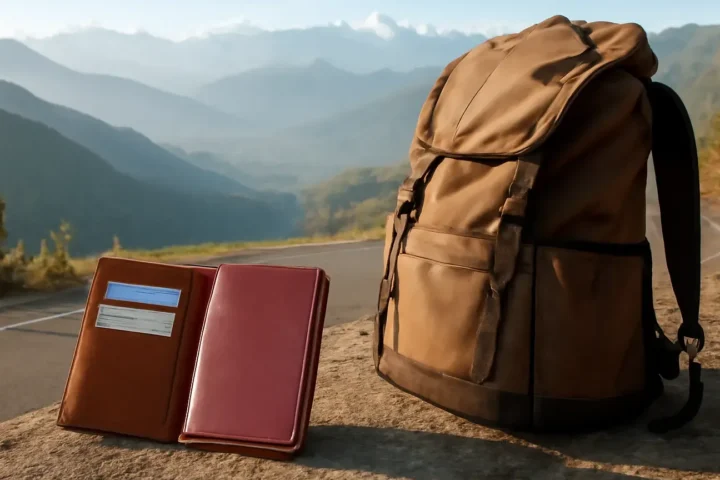
The exact Ladakh permit requirements depend partly on how you travel. A private car from home has a different paperwork trail from a motorcycle rented in Leh. Keep paper copies in a waterproof folder because mobile coverage is intermittent and some checkpoints may not have reliable connectivity.
- One original government photo ID for each traveller, plus photocopies where practical.
- Driving licence appropriate for the vehicle category.
- Registration certificate, insurance and current PUC certificate.
- Rental agreement and authorisation letter for a hired vehicle.
- Emergency contact details, hotel confirmations and a basic medical-information note.
- Passport and visa documents for foreign nationals; their permit process is different and should be checked separately.
These Ladakh vehicle documents should be accessible rather than packed at the bottom of your luggage. If travelling with a rented motorcycle, ask the operator whether the bike is permitted for the intended circuit and whether restrictions apply to vehicles brought from outside Leh. Local taxi union rules can limit the use of outside commercial taxis or rental vehicles for sightseeing. A private Indian vehicle and a commercial taxi are not treated identically.
How to reach Leh before arranging permits
Most travellers fly to Kushok Bakula Rimpochee Airport in Leh, Ladakh, which is approximately 4 km from central Leh. Flights are convenient but may be delayed by wind or visibility. Plan at least one easy day after arrival rather than driving directly to a high pass.
By road, the Srinagar–Leh route is generally a gradual approach when open, while the Manali–Leh route is more dramatic but usually more demanding and seasonal. Road journeys from Srinagar or Manali can take roughly two days or more, depending on the overnight halt, weather and road conditions. A Srinagar to Leh road trip may suit travellers who want slower acclimatisation; flying suits those with limited time but requires more caution about altitude.
The nearest major railway option is Jammu Tawi railway station, followed by a long road journey to Leh that may take approximately 12–16 hours to Srinagar and another 1–2 days onward, depending on the route and halts. Check Indian Railways or IRCTC for the rail portion and the local administration for road opening information.
Ladakh best time to visit and route opening
The commonly preferred season for the Ladakh best time to visit is roughly May to October, but each month has a different trade-off. High passes can receive snow outside the summer window, and road access is never guaranteed merely because a calendar date has arrived.
| Period | What to expect | Permit and route planning |
|---|---|---|
| May–June | Roads and passes may reopen; nights remain cold | Confirm opening status and carry warm layers; some facilities may be limited |
| July–August | More stable access on many Ladakh circuits, with occasional rain-related disruption on approach roads | Reserve stays early and allow a buffer day for road changes |
| September–October | Clear light and fewer crowds; colder nights and possible early snow | Recheck pass status, fuel availability and accommodation before departure |
| Winter | Severe cold and restricted access on some routes | Travel only with a specialist plan and current official clearance |
Local festivals such as the Losar Festival can affect demand and accommodation, while monasteries including Diskit Monastery and Thiksey Monastery have their own visitor etiquette. Dress modestly at religious sites, ask before photographing people and do not disturb ceremonies.
Suggested Nubra and Pangong itinerary
A six- or seven-day plan is more comfortable than trying to combine both lakes and valleys immediately after landing. The following sequence leaves room for acclimatisation and route changes.
Day 1: Arrive in Leh
Transfer from the airport to Leh, rest, hydrate normally and take a short, gentle walk only if comfortable. Collect documents, confirm your vehicle and ask your hotel or operator about current permit procedures.
Day 2: Leh acclimatisation
Visit an easy local attraction such as Thiksey Monastery or a market area without planning a strenuous excursion. This is a good day to organise copies, fee receipts and fuel planning.
Day 3: Leh to Nubra Valley
Cross Khardung La only after checking its status, then continue towards Diskit or Hunder. Keep the drive flexible because traffic, roadworks and weather can extend the approximate 5–8-hour journey.
Day 4: Nubra sightseeing
Explore Diskit Monastery, the dunes near Hunder and nearby villages with a local guide or driver where useful. Ask before photographing homes, farms or residents, and avoid driving off marked tracks.
Day 5: Nubra to Leh
Return to Leh or, if a current road and accommodation arrangement allows, use a suitable connecting route. Keep a buffer rather than promising an airport connection on the same day.
Day 6: Leh to Pangong Tso
Travel via Chang La, Durbuk and Tangtse to Pangong Tso. The lake is at extreme altitude, so keep the evening quiet and follow the accommodation provider’s safety advice.
Day 7: Pangong Tso to Leh
Return by the confirmed route, allowing approximately 6–9 hours or longer if conditions change. Travellers with an extra day can add a rest day instead of combining the return with another high-altitude excursion.
Transport, taxi rules and local permissions
Leh-based taxis are often the simplest choice for Nubra and Pangong because drivers understand local roads, checkposts and current taxi arrangements. Ask for a written itinerary, inclusions, vehicle type, waiting charges and whether any local association fee is included. The lowest quote may exclude transfers, parking, fuel or a return journey.
Before using a self-drive vehicle, check whether it is privately owned, locally rented or brought from another state. Commercial vehicle restrictions can apply to sightseeing circuits even when the vehicle is legally registered. Do not assume that an online rental listing is proof of permission. This is where current Ladakh taxi union rules matter more than a generic national driving rule.
For a wider planning overview, compare this route with a Ladakh travel guide and check whether a proposed package includes local transport rather than treating the vehicle as an afterthought. A responsible operator should explain what is paid to the administration and what is their own service charge.
Budget, stays and practical preparation
A basic Ladakh travel budget for a seven-day trip varies widely according to flights, vehicle sharing, hotel category and season. A broad planning range for an Indian traveller may be approximately ₹35,000–₹75,000 per person excluding shopping, with flights and a private vehicle pushing the total higher. Use the phrase Ladakh travel cost for 7 days as a starting point, not a fixed quotation.
- Return flights: approximately ₹12,000–₹30,000 or more depending on origin and booking period.
- Shared transport: approximately ₹10,000–₹25,000 per person for a multi-day circuit, varying by group size and vehicle.
- Accommodation: approximately ₹800–₹5,000 per person per night, from simple homestays to comfortable hotels.
- Food and drinks: approximately ₹500–₹1,500 per person per day, depending on meals and location.
- Fees, fuel buffers and miscellaneous costs: keep approximately ₹1,000–₹5,000 aside, then verify current charges.
Ladakh homestays in villages can offer a more local experience and support residents directly, while hotels in Leh usually provide easier connectivity and broader services. In Nubra and Pangong, availability is more limited. Carry some cash, but do not display it unnecessarily, and ask whether card or digital payments work before ordering.
If an environmental charge applies, confirm whether it is described as a Ladakh environmental fee or collected under another current local category. Ask for an itemised receipt and verify the amount through an official or locally authorised source.
Health, packing and responsible travel
Leh, Khardung La, Chang La, Nubra and Pangong all involve high altitude. Spend time acclimatising, avoid alcohol during the initial period, keep activity gentle and consult a doctor before travel if you have a medical condition or concerns about altitude. Read a medically reviewed guide on how to avoid altitude sickness in Ladakh, and seek prompt local medical help if symptoms become concerning rather than continuing to a higher camp.
Pack layers, gloves, sunglasses, sunscreen, a reusable water bottle, medicines prescribed for you, power banks, offline maps and photocopies of documents. Weather can change quickly even during summer. Carry back waste, use refill points where safe and avoid single-use plastic around Pangong Tso and the Indus River. Respect water sources, wildlife and village customs; Hemis National Park and other protected landscapes are not places for loud music or careless driving.
Common mistakes to avoid with Ladakh permits
- Confusing an old ILP article with current rules for Indian tourists.
- Travelling without the vehicle’s original or legally accepted digital papers.
- Assuming a route is open because a hotel or package page is still online.
- Booking a non-local rental without checking sightseeing restrictions.
- Scheduling Pangong immediately after a flight into Leh.
- Paying an unofficial intermediary without an itemised receipt.
- Leaving no spare day for snow, landslides, road repairs or weather delays.
- Using foreign-national rules to plan an Indian citizen’s trip, or vice versa.
Where to verify current Ladakh permit rules
Before departure, check the Ladakh Tourism Department and the relevant Ladakh district administration or local authorities for current notices, fees and restricted-area instructions. Ask your Leh hotel or registered operator to confirm the latest route position, but use official notices as the final reference.
For road travel, check the Border Roads Organisation or local traffic and police updates where available. For protected areas, ask the relevant national park or wildlife authority. Foreign nationals should also verify requirements with the appropriate immigration and district offices. Travellers using rail or air should separately confirm schedules with Indian Railways, IRCTC and the airport because disruptions can affect a permit-valid itinerary.
If your wider trip continues to Nepal, do not mix Ladakh paperwork with the documents needed for Indians travelling to Nepal; that is a separate border and immigration question. Likewise, a Ladakh route is very different from Rishikesh, Kedarnath or Jaipur planning, even though all may appear in a longer India itinerary.
Bottom line
For most Indian visitors, the key to Ladakh permits is not applying for an old-style ILP for Nubra or Pangong. It is carrying valid ID and vehicle documents, confirming current local fees and route checks, using an eligible vehicle, and allowing for high-altitude and weather-related changes. Recheck the official position shortly before travel, especially for October departures or any journey beyond the standard Leh–Nubra–Pangong circuit.
Before you go: prices, timings, permits and road conditions change by season. Please confirm the latest details with Ladakh Tourism Department, Administration of Union Territory of Ladakh, Leh district administration and Nubra subdivision administration and local authorities. Last reviewed: October 2026.
Frequently Asked Questions
Do Indians need a permit for Nubra Valley and Pangong Lake?
Usually not an Inner Line Permit for the standard tourist circuits, but Indian travellers should carry photo ID and vehicle papers and confirm any current environmental, wildlife or local administration charges.
What documents are needed for a Ladakh trip by car?
Carry a government photo ID, driving licence, registration certificate, valid insurance and PUC certificate. If the car is borrowed or rented, also carry authorisation or rental documents.
Is an Inner Line Permit required for Indians in Ladakh?
Generally, Indian citizens do not need an ILP for the usual Nubra Valley and Pangong Tso routes. Separate permissions may apply to specially notified or restricted areas.
Do I need a permit for Pangong Lake from Leh?
A separate ILP is generally not required for Indian citizens, but local fees, route registration or document checks may apply. Verify the current process before leaving Leh.
Can I take a rented bike from Manali to Nubra Valley?
Do not assume you can. Check current Ladakh taxi and rental rules because outside-state or non-local commercial vehicles may face sightseeing restrictions; a locally eligible vehicle may be required.
How much does a Ladakh permit cost for Indian tourists?
There is no single reliable amount for every itinerary. Environmental, wildlife or local charges can vary, so check the current official rate and request an itemised receipt.

Written by
1 Comment