Mussoorie weekend trip: a 2-day plan from Delhi
A practical two-day Mussoorie itinerary from Delhi covering the best road routes, arrival timings, walkable areas, viewpoints, stays, transport and a realistic budget.

Quick answer
A mussoorie weekend trip from Delhi works best with an early start on Day 1, reaching by late morning or early afternoon via Dehradun. Spend the first day around Mall Road, Gun Hill and Landour, then use Day 2 for Lal Tibba, Cloud’s End or Kempty Falls before returning. Allow roughly 6–9 hours each way by road, choose a stay near Library or Landour, and budget approximately ₹5,000–₹12,000 per person for two days, depending on transport and hotel category.
Key facts at a glance
| Ideal duration | 2 days, 1 night |
|---|---|
| Distance from Delhi | Approx. 290–320 km by road |
| Drive time | Approx. 7–10 hours, traffic dependent |
| Nearest airport | Jolly Grant Airport, Dehradun; approx. 60 km |
| Nearest railway station | Dehradun railway station; approx. 35–40 km |
| Approx. budget | ₹5,000–₹12,000 per person |
| Altitude | Approx. 2,000 metres |
| Permits needed | Usually none for standard sightseeing; check local rules |
A mussoorie weekend trip is easiest when you treat the hill station as a compact base rather than trying to cover every waterfall and viewpoint. Start from Delhi before dawn, reach Mussoorie by late morning or early afternoon, and keep the first day focused on walkable attractions. On the second day, choose either the Landour–Lal Tibba side or a lower, family-friendly outing to Kempty Falls. This plan also leaves room for traffic, meals and a safe return.
How to plan a Mussoorie weekend trip from Delhi
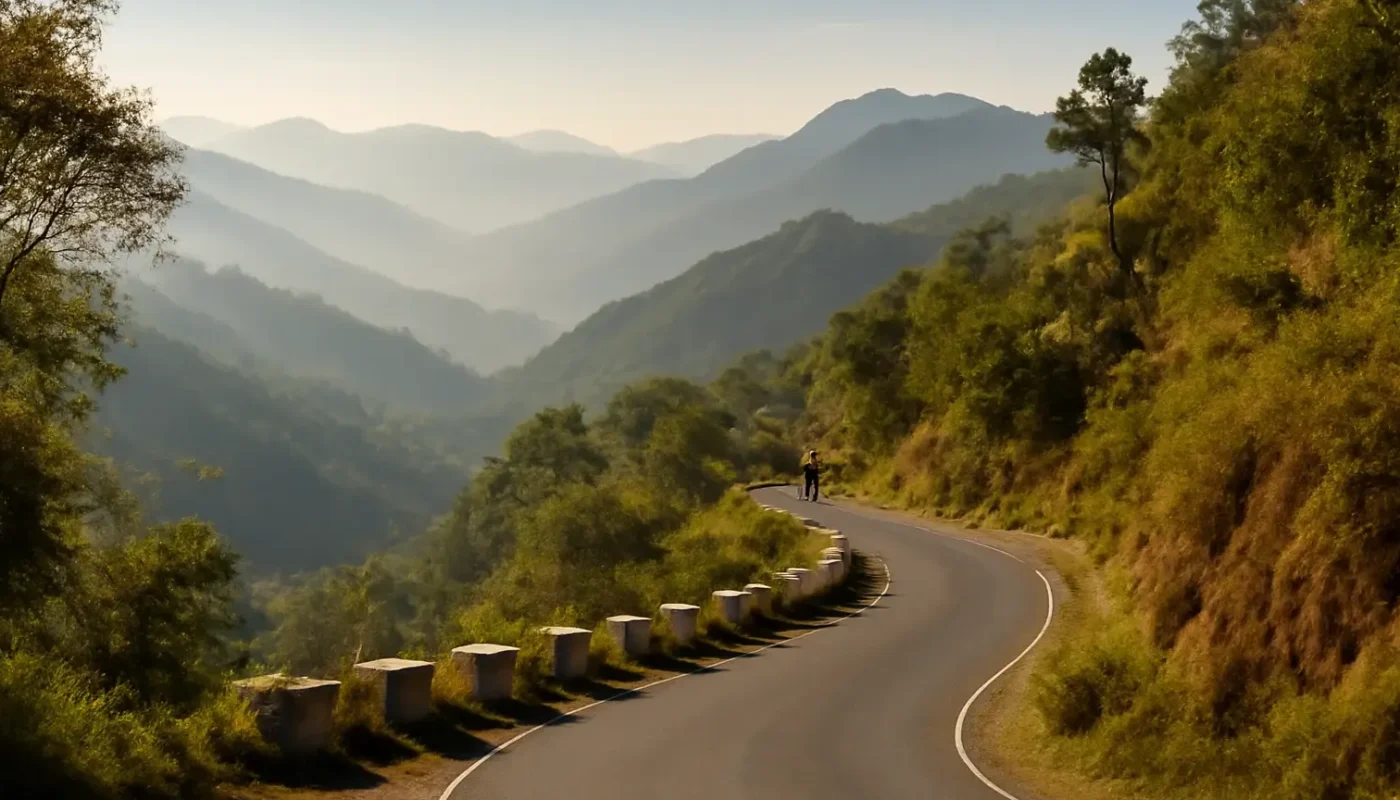
The practical Delhi to Mussoorie weekend trip route usually runs through Meerut, Muzaffarnagar, Roorkee, Haridwar or Dehradun, and then climbs from Dehradun through Mussoorie Diversion and Rajpur Road. The road distance is approximately 290–320 km, but the journey can take 7–10 hours or longer during Friday evening departures, holiday traffic, rain or road work.
For the least stressful schedule, leave Delhi around 4–5 am on Day 1. A self-drive car or hired cab gives you flexibility, but a bus or train-plus-taxi combination can be more comfortable for travellers who do not want to drive in the hills. The final uphill section has bends and occasional congestion, so avoid planning a late-night arrival if this is your first hill journey.
How to reach Mussoorie from Delhi?
The most convenient answer is to travel by road from Delhi, while rail and air connections work best when you want to avoid a long drive. Direct or connecting buses may take approximately 7–10 hours depending on the operator and traffic. By train, reach Dehradun railway station and continue by taxi or local bus for roughly 35–40 km uphill. By air, fly to Jolly Grant Airport near Dehradun, then allow approximately 2–3 hours for the onward road journey, depending on traffic.
| Option | Approx. time | Best for | Trade-off |
|---|---|---|---|
| Self-drive or cab | 7–10 hours | Families, flexible stops | Hill driving and parking responsibility |
| Bus | 7–11 hours | Budget travellers | Less control over stops |
| Train to Dehradun plus taxi | 8–12 hours overall | Those preferring rail travel | One additional road transfer |
| Flight to Jolly Grant plus taxi | Approx. 4–7 hours overall | Shorter available travel window | Usually higher cost and transfer dependence |
Check Indian Railways or IRCTC for the current train timetable and the relevant transport operator for bus availability. A Mussoorie travel guide can help with route alternatives, but the final decision should account for weather and same-day traffic updates.
Mussoorie 2 day trip itinerary
Day 1: Mall Road, Gun Hill and Landour
After checking in, have lunch and begin with the central pedestrian areas. The Mussoorie Mall Road stretch is useful for an easy first walk, cafés, small shops and views over the Doon Valley. Keep luggage at the hotel rather than carrying it through crowded sections, and confirm your property’s parking arrangement before arrival.
Continue to Gun Hill viewpoint if the ropeway or access route is operating. Visibility changes quickly, so treat the view as a bonus rather than the sole reason for the visit. In the late afternoon, walk or take a short local ride towards Landour. The quieter lanes, old homes and wooded sections suit couples and travellers who prefer atmosphere over a packed attraction list. Keep to marked roads and respect private residences.
End Day 1 with dinner near Mall Road or Landour. Local cafés may serve regional-style snacks alongside familiar North Indian food; try a bun tikki or simple Garhwali-inspired dishes where hygiene and preparation look reliable. Avoid driving between multiple nightlife or dining stops because hill roads become less comfortable after dark.
Day 2: What to do in Mussoorie in 2 days?
On Day 2, choose one side of town rather than attempting every attraction. Start early with Lal Tibba and the Landour area for open views and a calmer morning. Then visit Cloud’s End if road conditions and time permit. Alternatively, families can choose Kempty Falls, leaving enough time for the return drive to Delhi.
- Lal Tibba and Landour: best for couples, photographers and travellers seeking a slower morning. Views depend heavily on cloud cover.
- Kempty Falls: suitable for families and first-time visitors, but expect steps, crowds and wet surfaces. Carry footwear with a secure grip.
- Cloud’s End: a forested, quieter outing for those who prefer scenery and short walks over busy commercial areas.
After an early lunch, begin the descent. If returning to Delhi by road, a departure around 1–2 pm is safer than waiting until evening. The drive can become substantially longer on Sunday afternoons. Travellers with a late return train or flight should consider staying one extra night in Dehradun instead of forcing a tight connection.
Best time for this Mussoorie weekend trip
The best time for Mussoorie depends on what you want from the hills. April to June is popular for cool weather and family holidays, but accommodation and roads can be busy. July to September brings monsoon greenery and occasional rain-related disruption; waterfalls look attractive, yet visibility and road conditions are less predictable. October to November often offers clearer skies and crisp mornings, making it a strong choice for viewpoints. December to February can be cold, with possible frost or snow spells, but snowfall is not guaranteed.
| Period | What to expect | Who it suits |
|---|---|---|
| April–June | Cooler than the plains; busy weekends | Families and first-time visitors |
| July–September | Green landscapes; rain and delays possible | Flexible travellers |
| October–November | Clearer views and pleasant days | Couples and photographers |
| December–February | Cold mornings; occasional snow conditions | Winter travellers with warm clothing |
Where to stay: Mussoorie hotel areas
What is the best area to stay in Mussoorie?
The best area to stay in Mussoorie depends on your transport and priorities. Library or Picture Palace areas are convenient for first-time visitors who want access to the main road, restaurants and transport. Landour suits couples and travellers seeking quieter lanes, but parking and road access may be limited. Properties around Mall Road reduce walking to central sights, though they can be noisier and more expensive on weekends. A hotel near the outskirts may offer better views and rates, but you will depend more on taxis.
- Families: choose a property with parking, heating, an in-house restaurant and easy road access near Library or Picture Palace.
- Couples: consider Landour or a quieter hillside stay, checking walking gradients and late-evening transport before booking.
- Budget travellers: compare rooms in central areas and Dehradun, especially if the hill-town rates rise during holidays.
Compare cancellation terms, parking, hot-water arrangements and the exact map location. Some properties describe themselves as near Mall Road while still requiring a steep walk with luggage. Mussoorie tour packages can simplify transfers, but check whether sightseeing is private or shared and whether meals, parking and entry charges are included.
Mussoorie local transport and sightseeing choices
Central Mussoorie is most enjoyable on foot, particularly around Mall Road and parts of Landour. For Kempty Falls, Cloud’s End, Lal Tibba and other scattered sights, use a hotel-recommended taxi or a locally available cab. Ask for the total fare, waiting time and number of stops before leaving; Mussoorie taxi fare varies by season, vehicle size, route and negotiation.
Do not assume that a private car can stop directly beside every attraction. Parking can be limited, and some roads become congested during peak periods. A short walking route may be faster than a vehicle in the centre. Avoid hiring informal transport without confirming the vehicle, driver contact and price. During rain, allow extra time for slippery paths and reduced visibility.
Mussoorie trip cost, permits and practical documents
How much does a Mussoorie weekend trip cost?
A two-day Mussoorie trip cost is approximately ₹5,000–₹12,000 per person when two people share a mid-range room and travel by bus or shared transport. A private cab from Delhi, premium accommodation or a peak-season weekend can take the total to approximately ₹12,000–₹20,000 or more per person.
- Transport from Delhi: approximately ₹1,500–₹5,000 per person, depending on bus, shared travel or private cab.
- One-night stay: approximately ₹1,500–₹5,000 per person when sharing a room; prices vary widely by date.
- Food and cafés: approximately ₹800–₹2,000 per person for two days.
- Local taxis and sightseeing: approximately ₹500–₹2,000 per person, depending on the route.
- Entry fees, ropeway or activity charges: keep approximately ₹200–₹1,000 aside, where applicable.
Most regular sightseeing does not require special Mussoorie permits. However, rules can change for parking, commercial vehicles, forest areas, traffic restrictions or temporary event zones. Carry a government photo ID, booking confirmations and emergency contacts. Check with the Uttarakhand tourism department and local administration before departure, particularly during monsoon, snowfall or major festivals.
What to pack and mistakes to avoid
Pack layers rather than one heavy jacket because afternoons can be mild and mornings cold. Include comfortable shoes with good grip, a compact rain layer, sun protection, personal medicines, a refillable water bottle and a small daypack. If travelling with children or older adults, confirm the number of stairs and walking distance at each attraction.
- Do not schedule Kempty Falls, Lal Tibba, Cloud’s End and a same-day Delhi return as if they are next door.
- Do not rely on a clear Himalayan view; clouds are common even in otherwise pleasant weather.
- Do not leave food waste on trails or feed monkeys and other animals.
- Do not block narrow roads for photographs. Use designated parking and follow local traffic instructions.
- Do not plan a tight flight or train connection after a hill descent; keep a substantial buffer.
Mussoorie is at approximately 2,000 metres, so some travellers may find the climb tiring. Take the first day at a moderate pace, drink water and rest if needed. People with a medical condition, pregnancy or concerns about altitude and travel should consult a doctor before planning the trip.
Who this Mussoorie itinerary suits
This itinerary works well for couples wanting scenic walks, cafés and a slower Landour morning, and for families who prefer familiar facilities, short sightseeing loops and an early return. It is less suitable for travellers seeking extensive trekking, nightlife or a long list of remote viewpoints. If you have three days, add Dhanaulti or a relaxed Dehradun stop rather than squeezing more into two days. Rishikesh is a separate detour and should not be added casually to a weekend schedule.
Travellers interested in temples can ask locally about Nag Devta Temple and observe customary dress and photography practices. Nature-focused visitors may pair the wider region with information about Rajaji National Park, but park entry and safari rules are separate from a standard Mussoorie visit. The Yamuna valley and nearby routes are best treated as longer excursions, not quick add-ons.
Bottom line
A successful Mussoorie weekend trip depends more on early departures and realistic pacing than on checking every attraction. Stay near a practical base, walk the central areas, choose either the Landour viewpoints or Kempty Falls on Day 2, and start the return before afternoon traffic builds. Confirm transport, weather, local restrictions and hotel parking shortly before travel so the two-day plan remains flexible.
Before you go: prices, timings, permits and road conditions change by season. Please confirm the latest details with Uttarakhand Tourism Department, Uttarakhand local administration, Indian Railways and IRCTC and Jolly Grant Airport authorities. Last reviewed: October 2026.
Frequently Asked Questions
Is 2 days enough for Mussoorie?
Yes, two days are enough for the central sights, one viewpoint circuit and either Kempty Falls or a quieter Landour outing. It is not enough for every nearby excursion.
What is the best area to stay in Mussoorie?
Library, Picture Palace and Mall Road areas suit first-time visitors and families, while Landour is better for quieter stays and couples who do not mind steeper walks or limited parking.
How much does a Mussoorie weekend trip cost?
Budget approximately ₹5,000–₹12,000 per person for two days with shared transport and a mid-range room. Private cabs, premium stays and peak weekends can cost considerably more.
Which is the easiest way to reach Mussoorie from Delhi?
A direct road journey by car, cab or bus is simplest. Train travellers can continue from Dehradun railway station, while air travellers can use Jolly Grant Airport and arrange an onward taxi.
Is Mussoorie suitable for a family weekend?
Yes, especially when the itinerary uses short sightseeing loops, a hotel with parking and heating, and early departures. Avoid overloading the schedule with steep walks and distant attractions.

Written by